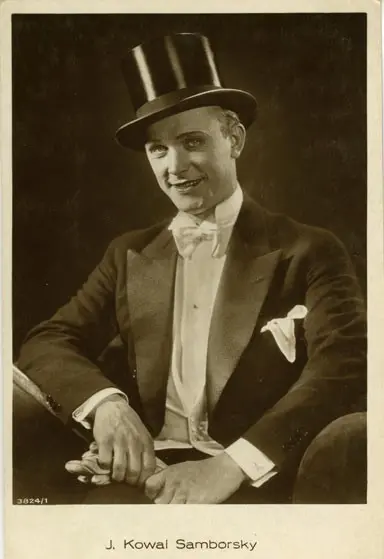
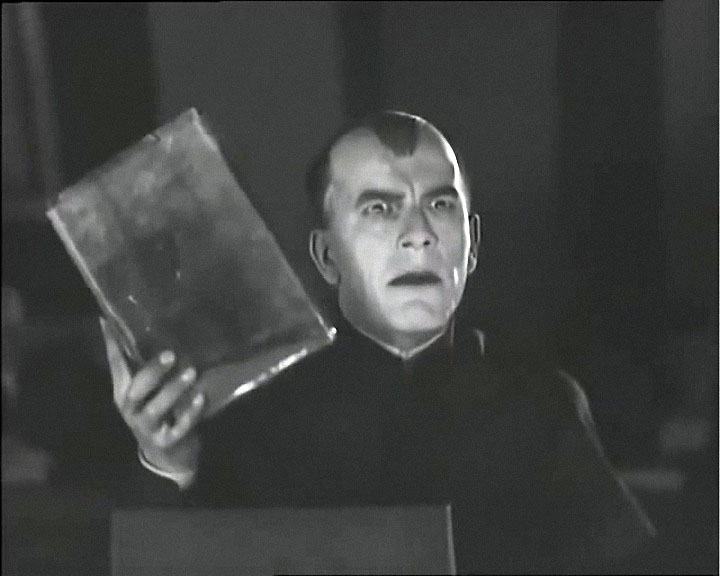
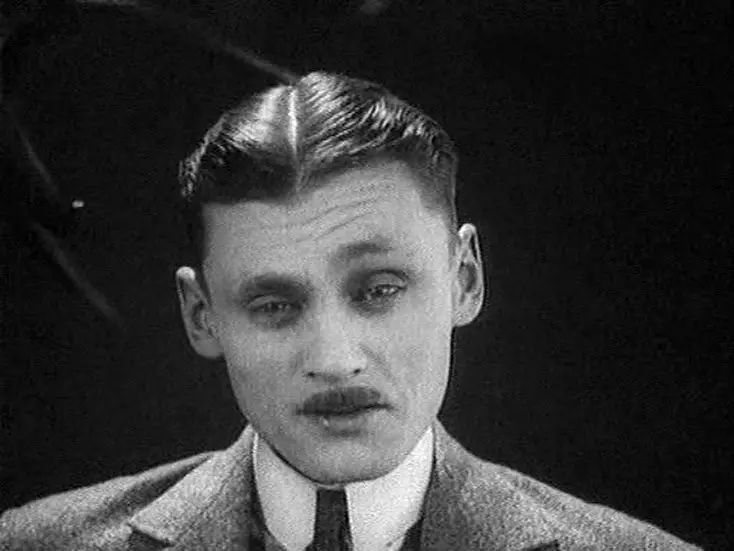
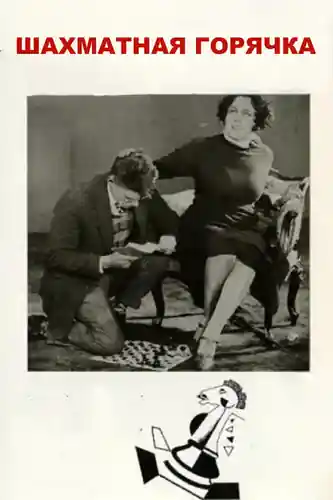
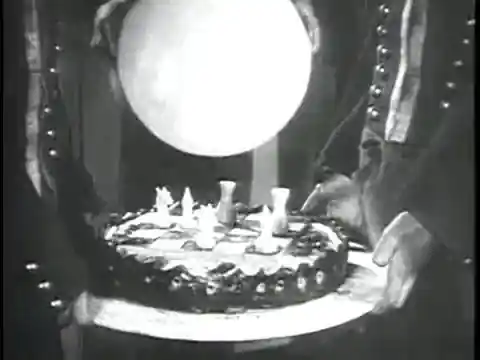
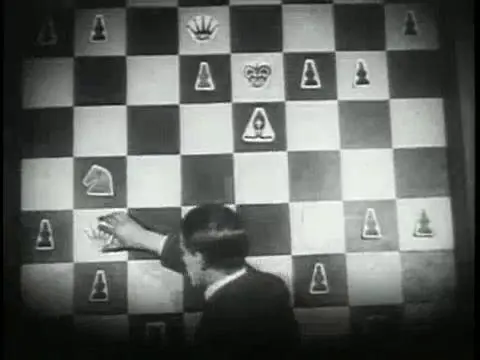
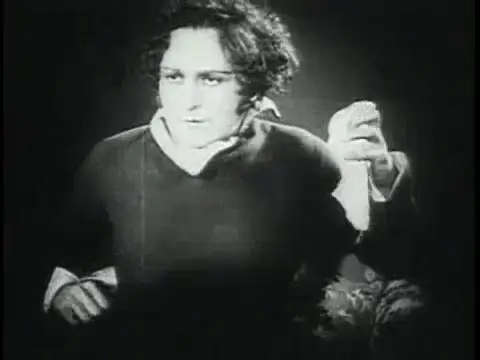
With an international chess tournament in progress, a young man becomes completely obsessed with the game. His fiancée has no interest in it, and becomes frustrated and depressed by his neglect of her, but wherever she goes she finds that she cannot escape chess.
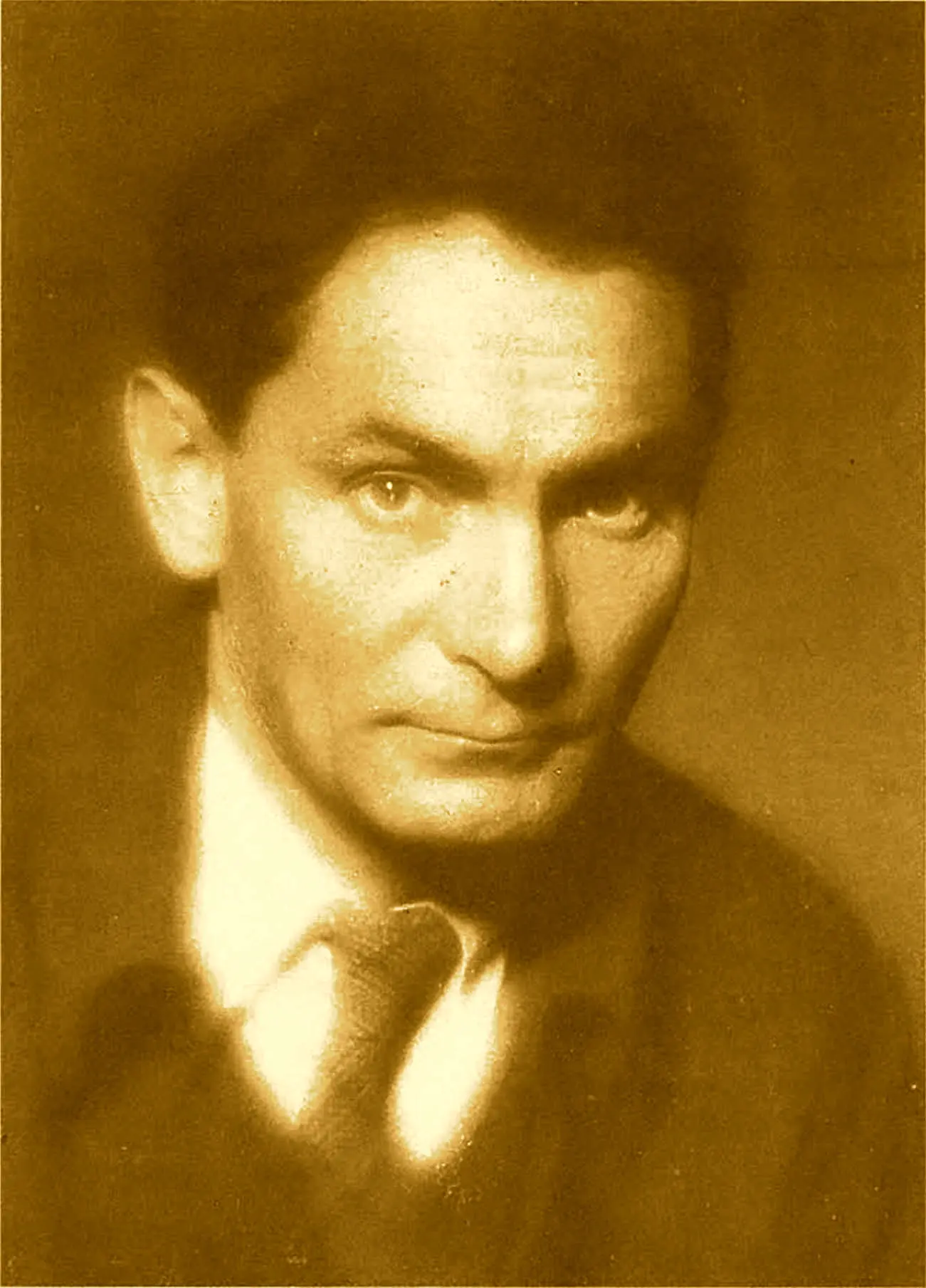
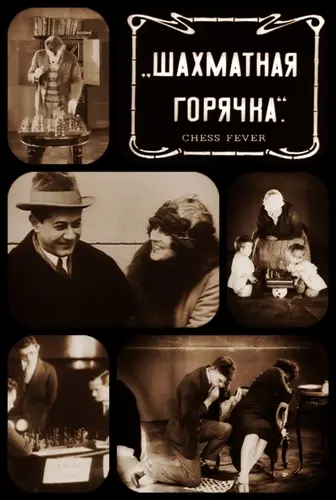
In the annals of Soviet cinema, a period predominantly characterized by the stern, didactic monumentality of Eisenstein or the ethnographic lyricism of Dovzhenko, Vsevolod Pudovkin’s Chess Fever (1925) emerges as a delightfully anomalous artifact. It is a work of levity that nevertheless employs the sophisticated sy...
still_frame
product
still_frame
still_frame
still_frame
still_frame
still_frame
still_frame
Comparing the cinematic DNA and archive impact of two defining moments in cult history.
Vsevolod Pudovkin

Unknown Director
Community
Log in to comment.
" In the annals of Soviet cinema, a period predominantly characterized by the stern, didactic monumentality of Eisenstein or the ethnographic lyricism of Dovzhenko, Vsevolod Pudovkin’s Chess Fever (1925) emerges as a delightfully anomalous artifact. It is a work of levity that nevertheless employs the sophisticated syntactic tools of the Kuleshov workshop. While many cinephiles associate the Soviet Montage school with the churning gears of revolution or the tragic weight of history, Pudovkin—al..."
Vladimir Nabokov
Mykola Shpykovskyi
Soviet Union