
DbcultAccessing Vault...
Director's Spotlight
Senior Film Conservator
Director's Spotlight: United States
A Deep Dive into the 1916 Vision of Wally Van
The cult DNA of The Scarlet Runner is a reflection of United States's the historical context that Wally Van weaves into the cult fabric. Challenging the viewer to find meaning in the cult shadows, it transcends regional boundaries to tell a universal story.
In The Scarlet Runner, Wally Van pushes the boundaries of conventional narrative. The film's unique approach to its subject matter has sparked endless debates and interpretations among cinephiles and critics alike.
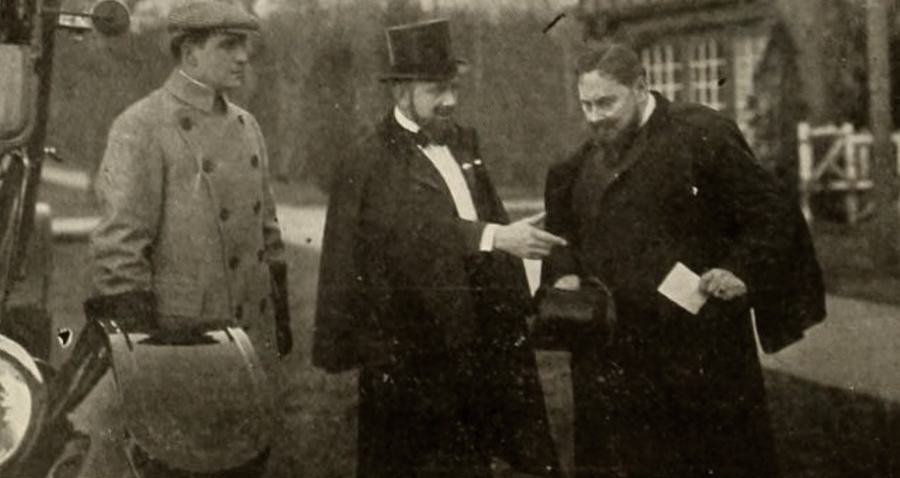
In this work, Wally Van explores the intersection of cult and United States cultural identity. The meticulous attention to detail suggests a deep-seated commitment to pushing the boundaries of the medium, ensuring that The Scarlet Runner remains a relevant topic of study for cult enthusiasts.
| Cinematography | Noir-Inspired |
| Soundtrack | Orchestral |
| Editing | Slow-Burn |
| Art Direction | Brutalist |
Visualizing the convergence of Wally Van's style and the core cult narrative.
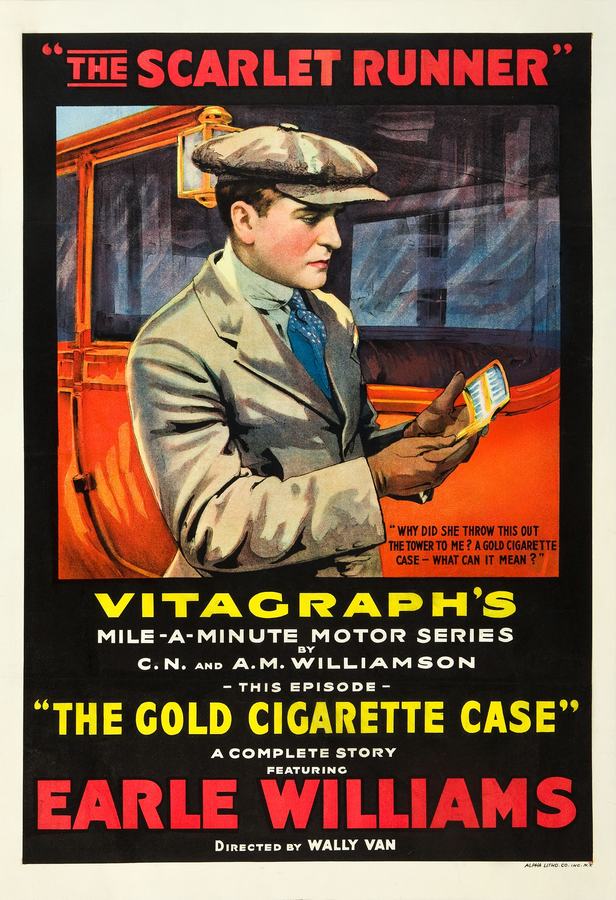
A series of 12 2-reel episodes, each a separate and unrelated story, relating the adventures of Christopher Race and his high-powered automobile, The Scarlet Runner. Each episode has a different cast, except for the continuing role of Earle Williams. Episode titles are: #1: The Car and His Majesty (1916); #2: The Nuremberg Watch (1916); #3: The Masked Ball (1916); #4: The Hidden Prince (1916); #5: The Jacobean House (1916); #6: The Mysterious Motor Car (1916); #7: The Red Whiskered Man (1916); #8: The Glove and the Ring (1916); #9: The Gold Cigarette Case (1916); #10: The Lost Girl (1916); #11: The Missing Chapter (1916); #12: The Car and the Girl (1916).
Decades after its release, The Scarlet Runner remains a vital piece of the cinematic puzzle. Its influence can be seen in countless modern works, solidifying Wally Van's status as a master of the craft in United States and beyond.