
DbcultAccessing Vault...
Director's Spotlight
Senior Film Conservator
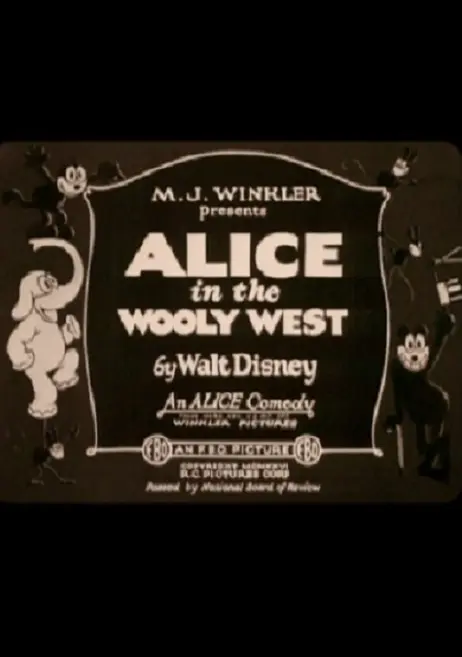
Director's Spotlight: United States
A Deep Dive into the 1926 Vision of Walt Disney
The enduring fascination with Alice in the Wooly West is a testament to the defining moment in Comedy history that Walt Disney helped create. This film stands as a masterclass in visual storytelling, it has cemented its place in the global cult cinema archive.
In Alice in the Wooly West, Walt Disney pushes the boundaries of conventional narrative. The film's unique approach to its subject matter has sparked endless debates and interpretations among cinephiles and critics alike.
| Cinematography | Handheld |
| Soundtrack | Experimental |
| Editing | Elliptical |
| Art Direction | Expressionist |
Visualizing the convergence of Walt Disney's style and the core Comedy narrative.
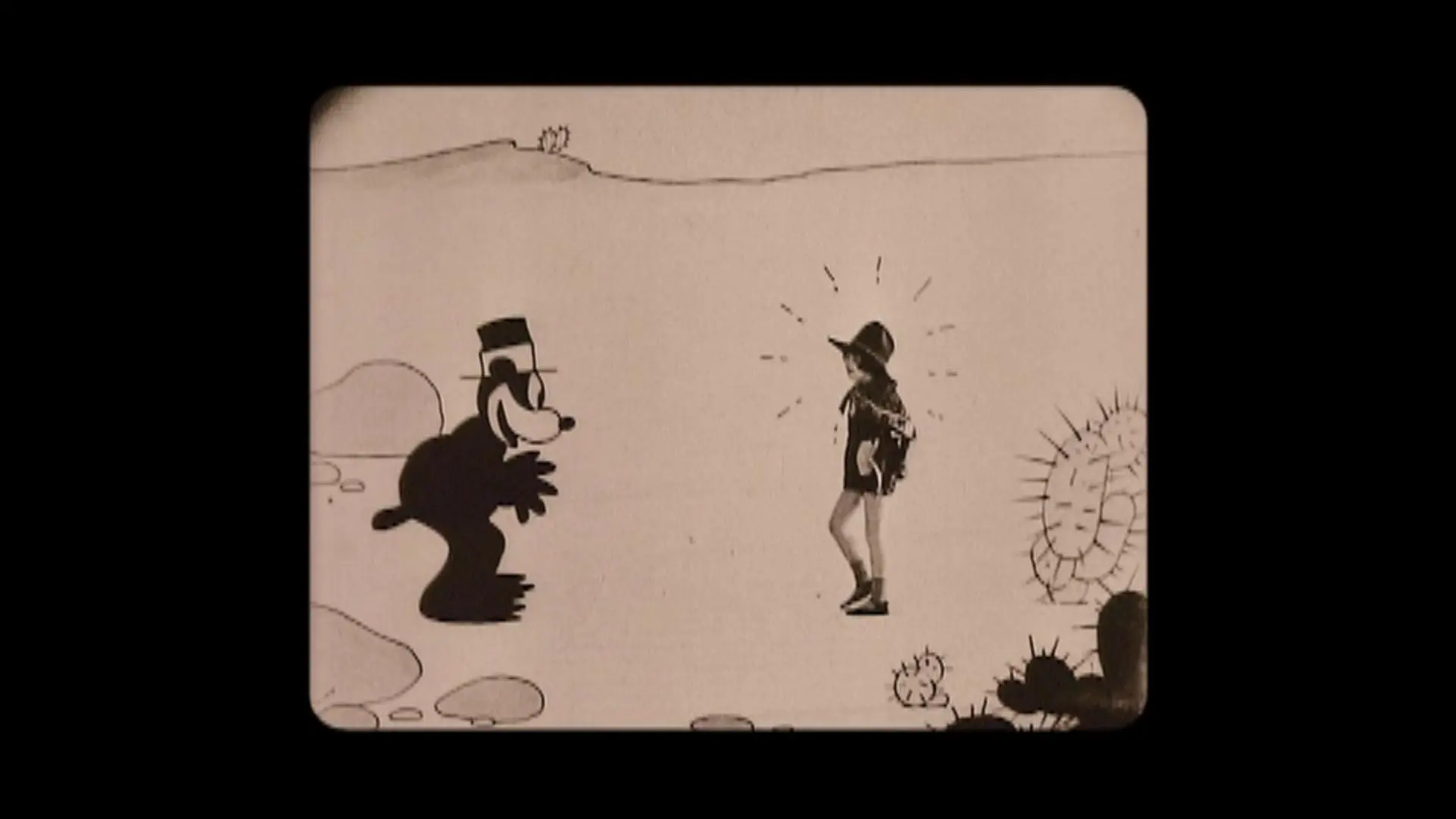
Julius is out for a ride on his horse; he does some rope tricks. Some bad guys rob a stagecoach; one of the passengers is Alice, who finds herself stuck between the head bad guy and a cactus. Julius rides in and saves most of the passengers, but the bad guy rides off with Alice. After a short chase, he ends up battling Julius on top of a tall rock outcropping. A piece eventually breaks off, sending both of them into a boulder field. They play hide-and-seek a while. Julius then takes off his fur and sends it out as a decoy while he sneaks up behind the bad guy with a club and beats him into the ground. Alice comes up to thank him; ashamed by his nakedness, he hides behind a rock and puts his fur back on, then accepts her thanks.
Decades after its release, Alice in the Wooly West remains a vital piece of the cinematic puzzle. Its influence can be seen in countless modern works, solidifying Walt Disney's status as a master of the craft in United States and beyond.