
DbcultAccessing Vault...
Director's Spotlight
Senior Film Conservator
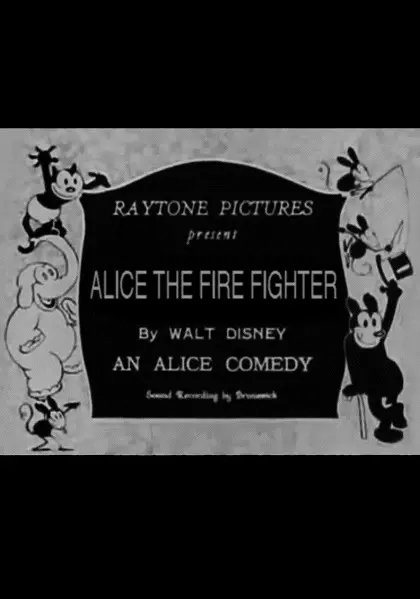
Director's Spotlight: United States
A Deep Dive into the 1926 Vision of Walt Disney
The artistic breakthrough represented by Alice the Fire Fighter in 1926 highlights the uncompromising vision of Walt Disney that defines this Animation masterpiece. In the context of United States's rich cinematic history, it captures a specific kind of cinematic magic that is rarely replicated.
In Alice the Fire Fighter, Walt Disney pushes the boundaries of conventional narrative. The film's unique approach to its subject matter has sparked endless debates and interpretations among cinephiles and critics alike.
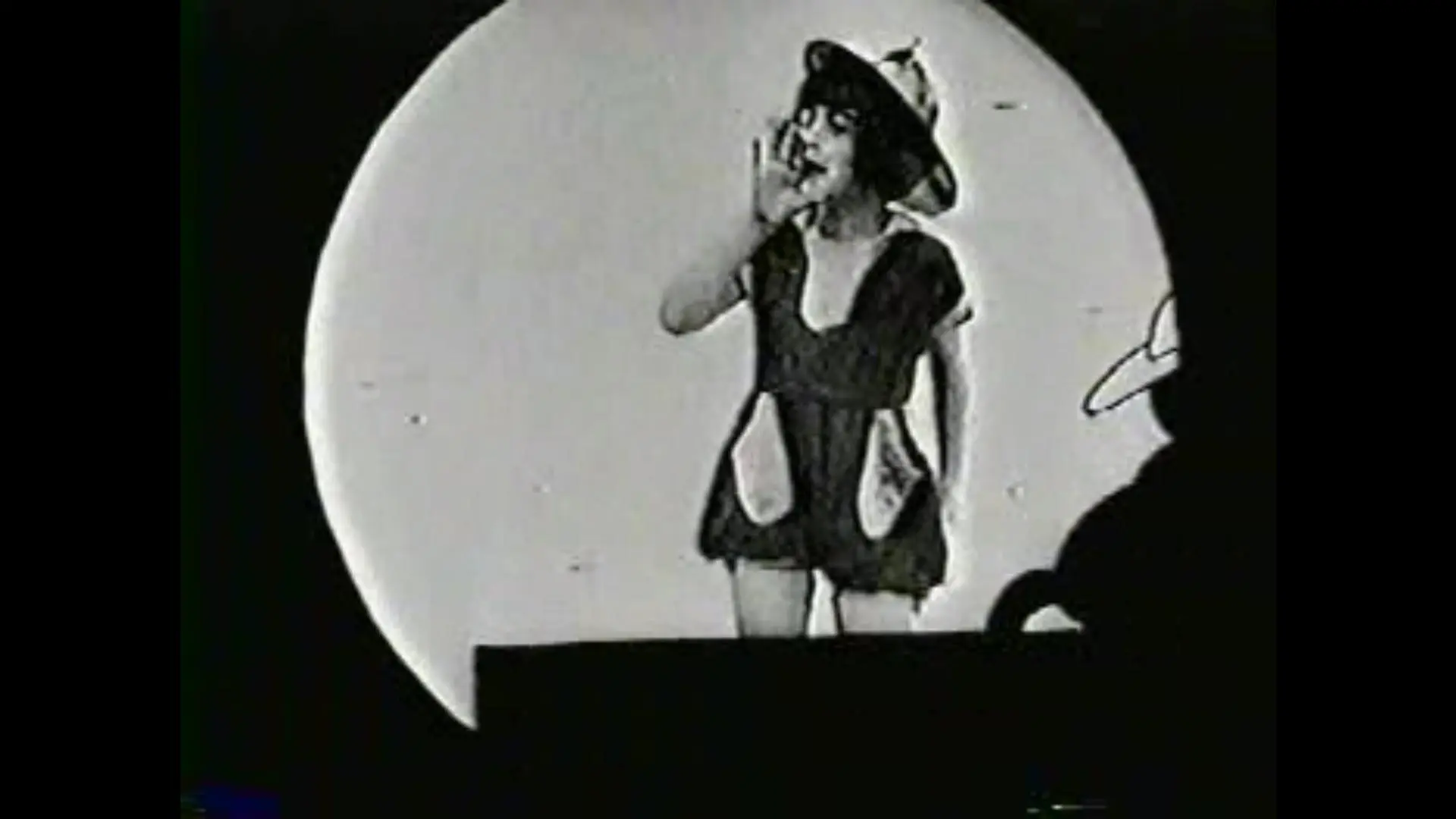
While deeply rooted in United States, Alice the Fire Fighter has achieved a global reach, influencing directors from various backgrounds. Its ability to translate Animation tropes into a universal cinematic language is why it remains a cult staple decades after its 1926 release.
| Cinematography | Static |
| Soundtrack | Orchestral |
| Editing | Invisible |
| Art Direction | Kitsch |
Visualizing the convergence of Walt Disney's style and the core Animation narrative.
When the local hotel is found to be on fire, the firemen (all of them Julius the cat lookalikes), led by Fire Chief Alice, are called in. The residents are busy escaping the blaze while the cats get to work helping them out of the building and putting out the flames. When a feline tenant gets caught on the top floor, one of the firemen bravely saves her by riding a smoke cloud up to reach her, but when they get back to the ground, he finds her expiring from smoke inhalation. He saves the day by rolling the smoke out of her with a rolling pin, and when she revives the two fall instantly in love.
Decades after its release, Alice the Fire Fighter remains a vital piece of the cinematic puzzle. Its influence can be seen in countless modern works, solidifying Walt Disney's status as a master of the craft in United States and beyond.