
DbcultAccessing Vault...
Director's Spotlight
Senior Film Conservator
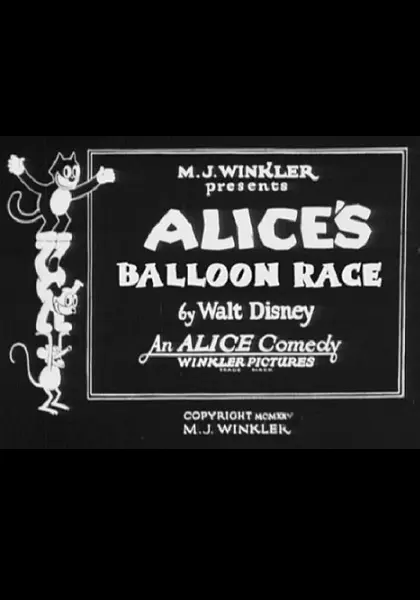
Director's Spotlight: United States
A Deep Dive into the 1926 Vision of Walt Disney
The evocative power of Alice's Balloon Race stems from the unique collaboration between the subversive storytelling techniques employed by Walt Disney in 1926. Synthesizing the best elements of United States and international cinema, it reminds us of the fragility and beauty of the 1926s.
In Alice's Balloon Race, Walt Disney pushes the boundaries of conventional narrative. The film's unique approach to its subject matter has sparked endless debates and interpretations among cinephiles and critics alike.
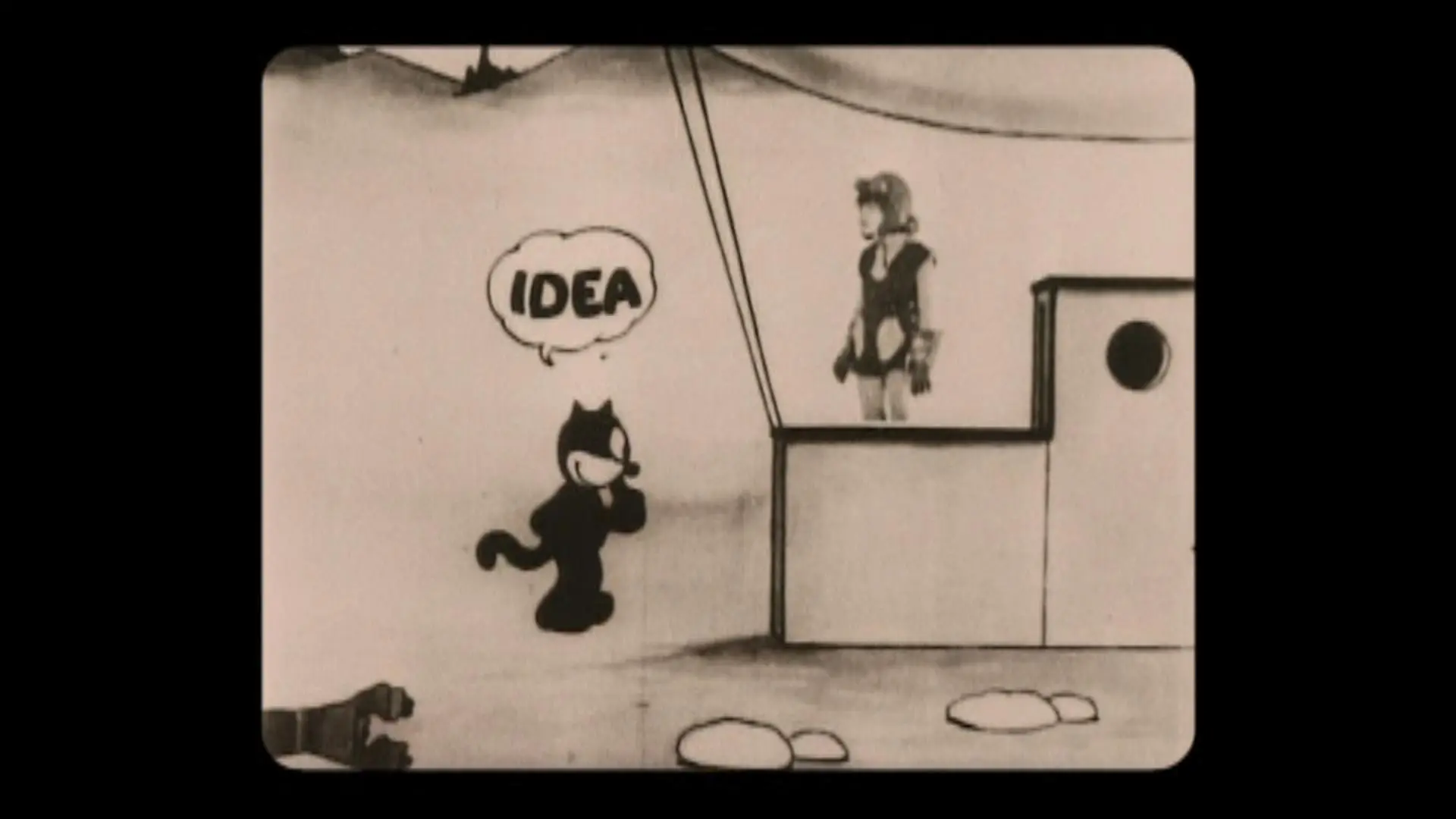
The visual language of Alice's Balloon Race is defined by its use of shadows and framing, a hallmark of Walt Disney's style. By utilizing a 1926-era palette, the film creates an immersive experience that perfectly complements its Short themes.
| Cinematography | Noir-Inspired |
| Soundtrack | Diegetic |
| Editing | Rhythmic |
| Art Direction | Naturalist |
Visualizing the convergence of Walt Disney's style and the core Short narrative.
Alice and Julius, as a team, are one of four entrants in a $10,000 balloon race. The bad guy takes out one balloon quickly. It's not clear what kind of balloons these are, since they are sealed like hydrogen/helium balloons, but a good thwack on the top by the bad guy sends Alice and Julius plummeting to the ground, balloon still intact. Julius makes some attempts to re-launch, but they fail. He spots a hippo, smoking nearby, and has an idea: using some pepper, he creates a massive sneeze that re-launches them. But he wasn't onboard. Alice throws down a rope ladder, but it isn't anchored; Julius eventually pulls himself up with a rope. They are then immediately under attack by a lightning storm, which deflates the balloon. Julius makes substitutes from, first, a weiner dog and a couple of empty thought balloons, then, an elephant with extra air pumped in. He grabs a passing bird and catches up to the bad guy, then finds himself in another battle with lightning. He throws a bolt at the bad guy's balloon, then has his own elephant get pierced by another. They land on top of each other, and on Alice, who was pacing back and forth on the ground, then run away from the bad guy.
Decades after its release, Alice's Balloon Race remains a vital piece of the cinematic puzzle. Its influence can be seen in countless modern works, solidifying Walt Disney's status as a master of the craft in United States and beyond.