
DbcultAccessing Vault...
Director's Spotlight
Senior Film Conservator
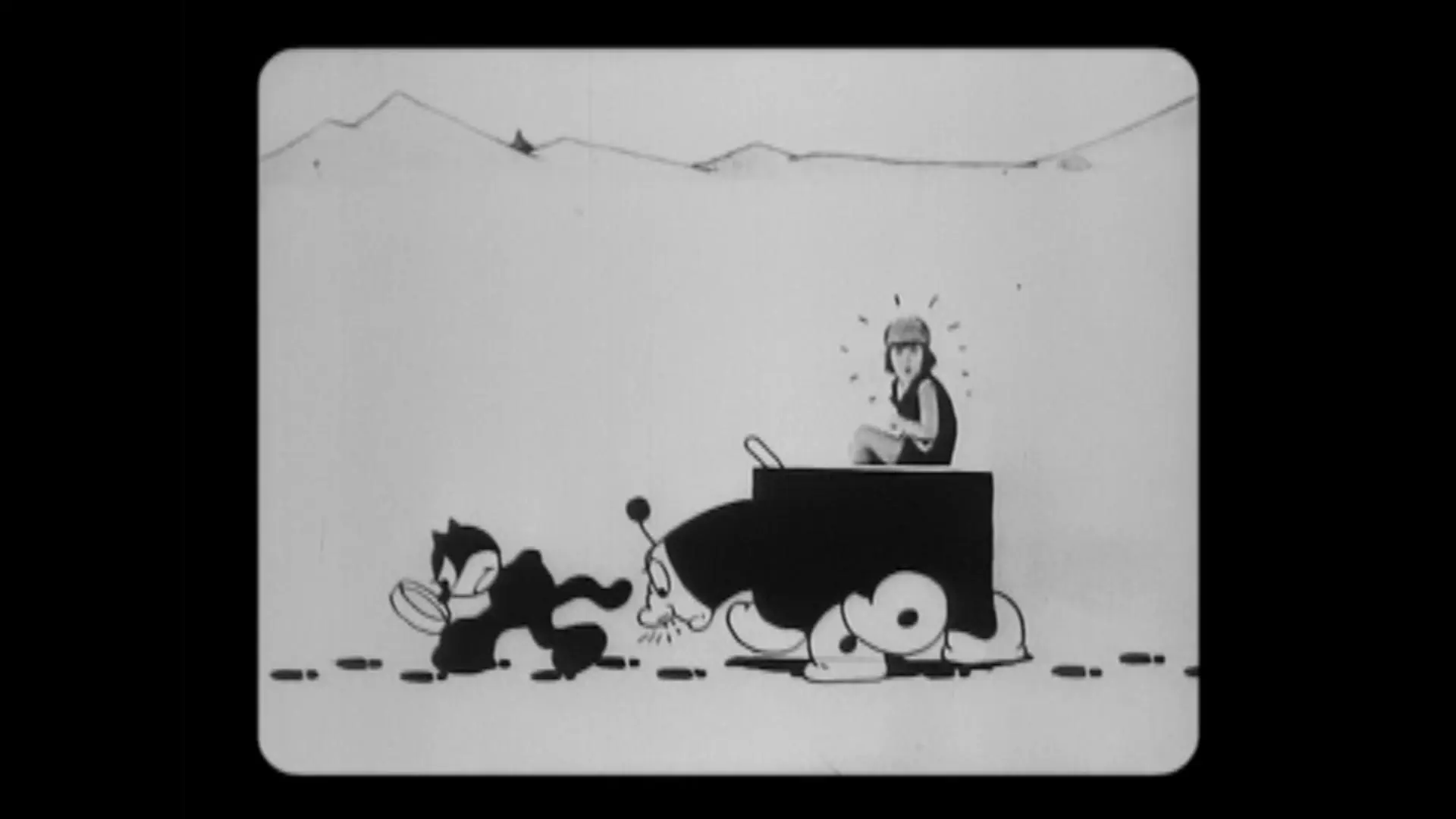
Director's Spotlight: United States
A Deep Dive into the 1926 Vision of Walt Disney
To understand the modern evolution of United States film, one must first look at Alice's Mysterious Mystery and the collaborative alchemy between Walt Disney and the 1926 creative team. Subverting the expectations of the typical 1926 audience, it remains a vital reference point for anyone studying the evolution of Walt Disney.
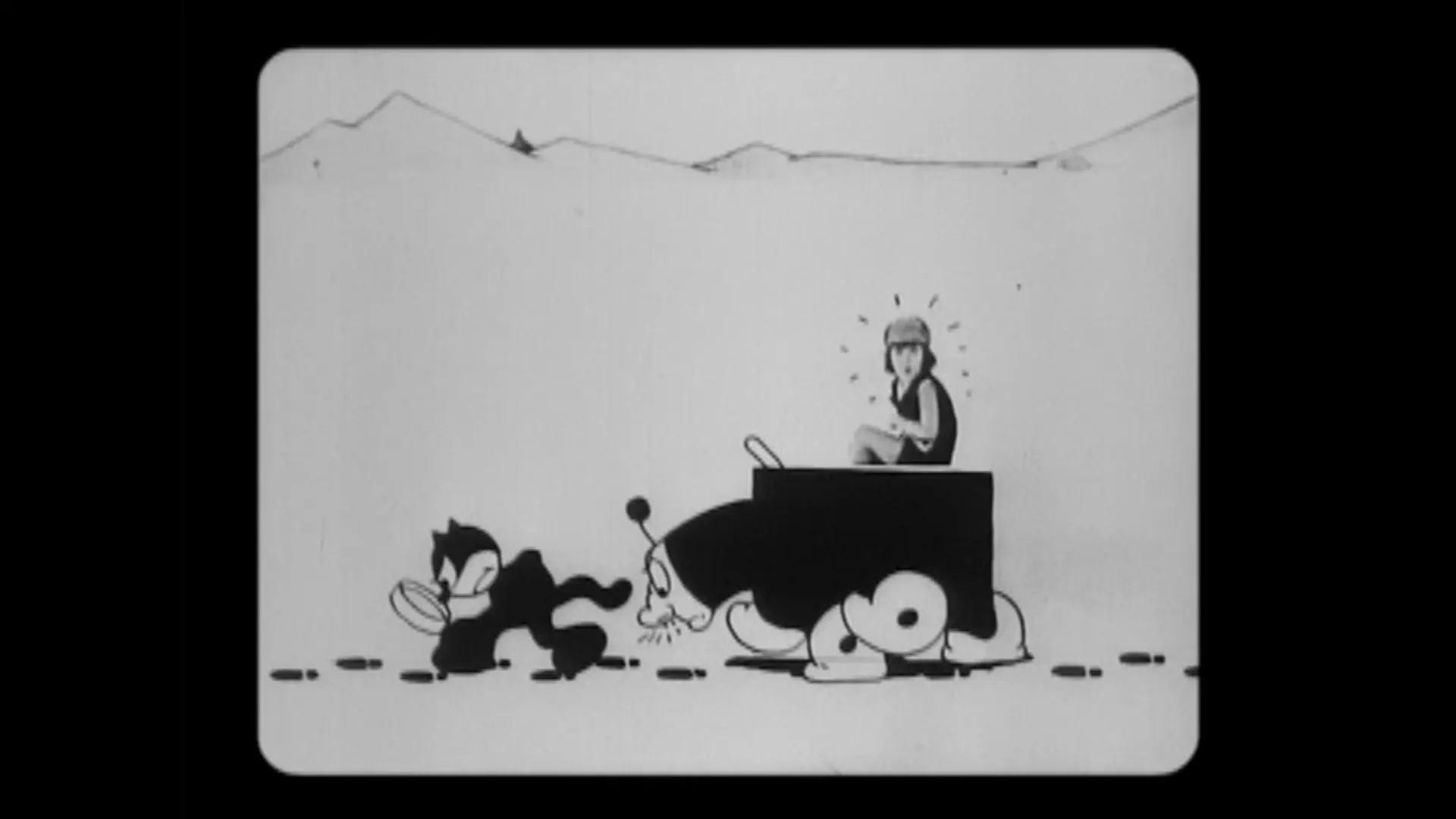
In Alice's Mysterious Mystery, Walt Disney pushes the boundaries of conventional narrative. The film's unique approach to its subject matter has sparked endless debates and interpretations among cinephiles and critics alike.
| Cinematography | Handheld |
| Soundtrack | Synth-Heavy |
| Editing | Disjunctive |
| Art Direction | Baroque |
Visualizing the convergence of Walt Disney's style and the core Animation narrative.
A mouse and his boss pose as dogcatchers and grab a schoolhouse full of dogs; they use several other ruses to round up dogs for, as we discover, a sausage factory. Alice and Julius are on the trail soon after the first caper, but it takes them a while to catch up with the bad guys. They do, and Julius tricks the big boss into getting clobbered by the sausage guy, then turns the dogs loose on him.
Decades after its release, Alice's Mysterious Mystery remains a vital piece of the cinematic puzzle. Its influence can be seen in countless modern works, solidifying Walt Disney's status as a master of the craft in United States and beyond.