
DbcultAccessing Vault...
Director's Spotlight
Senior Film Conservator
Director's Spotlight: United States
A Deep Dive into the 1924 Vision of Walt Disney
In the storied career of Walt Disney, Alice's Wild West Show stands as a the atmospheric immersion that Walt Disney achieves throughout Alice's Wild West Show. Reflecting the political and social shifts of the 1924s, it reinforces the idea that cinema is a medium of infinite possibilities.
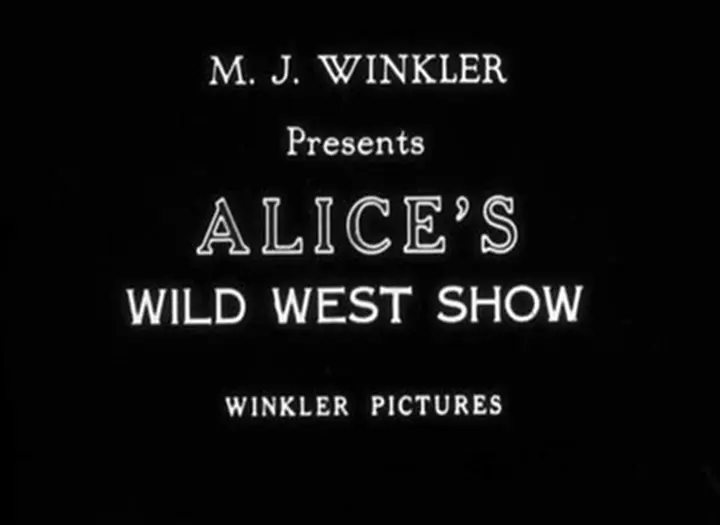
In Alice's Wild West Show, Walt Disney pushes the boundaries of conventional narrative. The film's unique approach to its subject matter has sparked endless debates and interpretations among cinephiles and critics alike.
| Cinematography | Noir-Inspired |
| Soundtrack | Diegetic |
| Editing | Rhythmic |
| Art Direction | Naturalist |
Visualizing the convergence of Walt Disney's style and the core Family narrative.
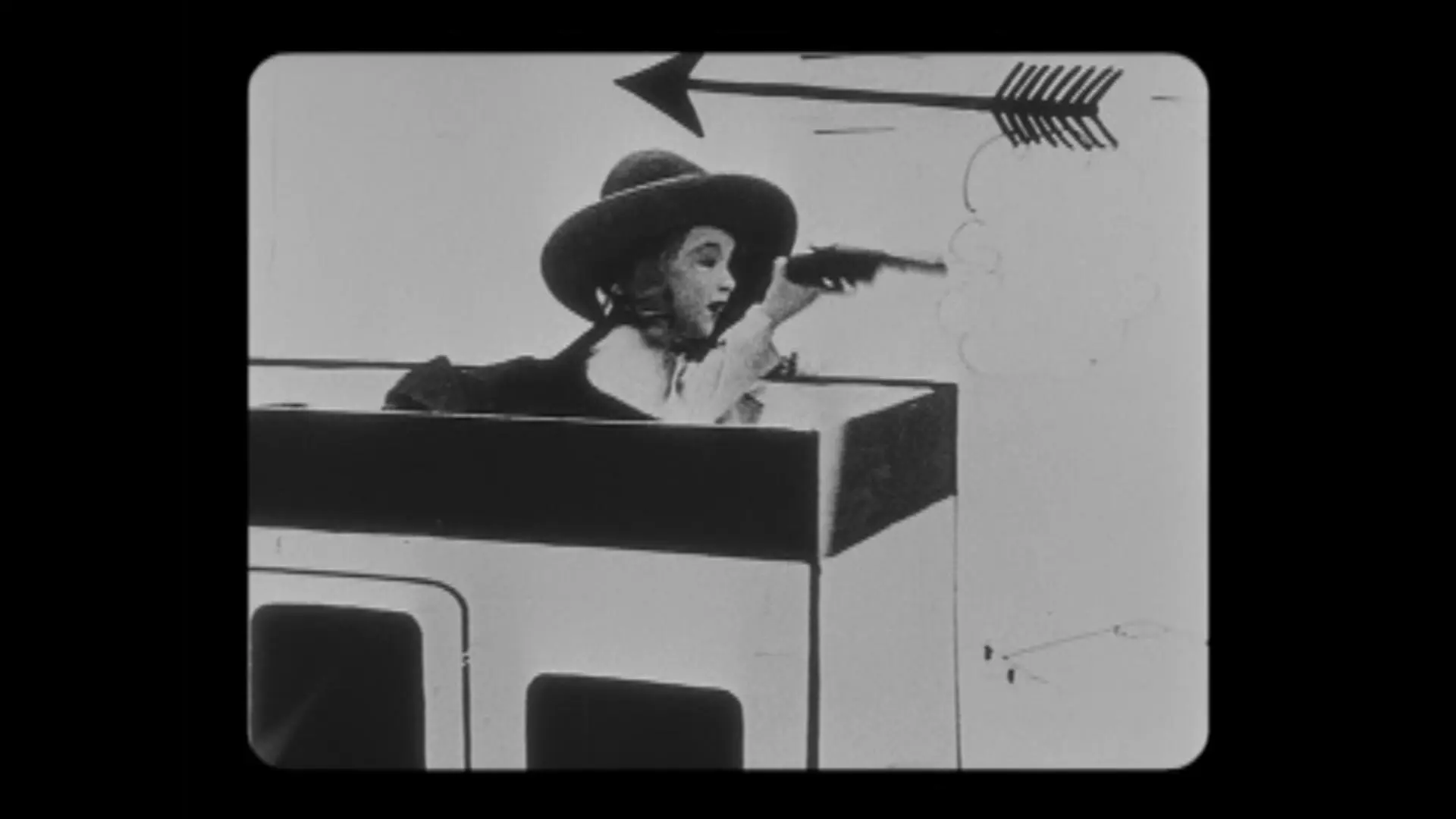
Alice and her friends put on a show. After a brief overture, act one: A saloon; Alice enters, and shoots down two bad guys. Tubby O'Brien and his gang then enter the audience; Alice's cast leaves out of fear. Alice decides to tell stories of her wild west adventures, and we finally get two brief animated sequences: Alice riding atop a stagecoach, shooting at Indians, and Alice as Sheriff, taking care of a bad guy who steals a safe. The overall feel is much more like an Our Gang short than the rest of the Alice series.
Decades after its release, Alice's Wild West Show remains a vital piece of the cinematic puzzle. Its influence can be seen in countless modern works, solidifying Walt Disney's status as a master of the craft in United States and beyond.