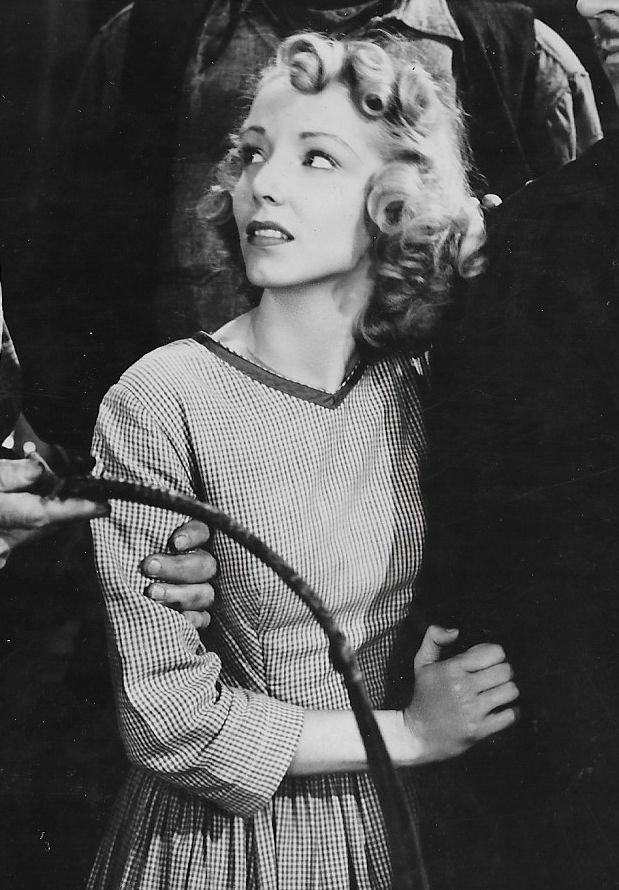
Alice and her friends put on a show. After a brief overture, act one: A saloon; Alice enters, and shoots down two bad guys.

United States
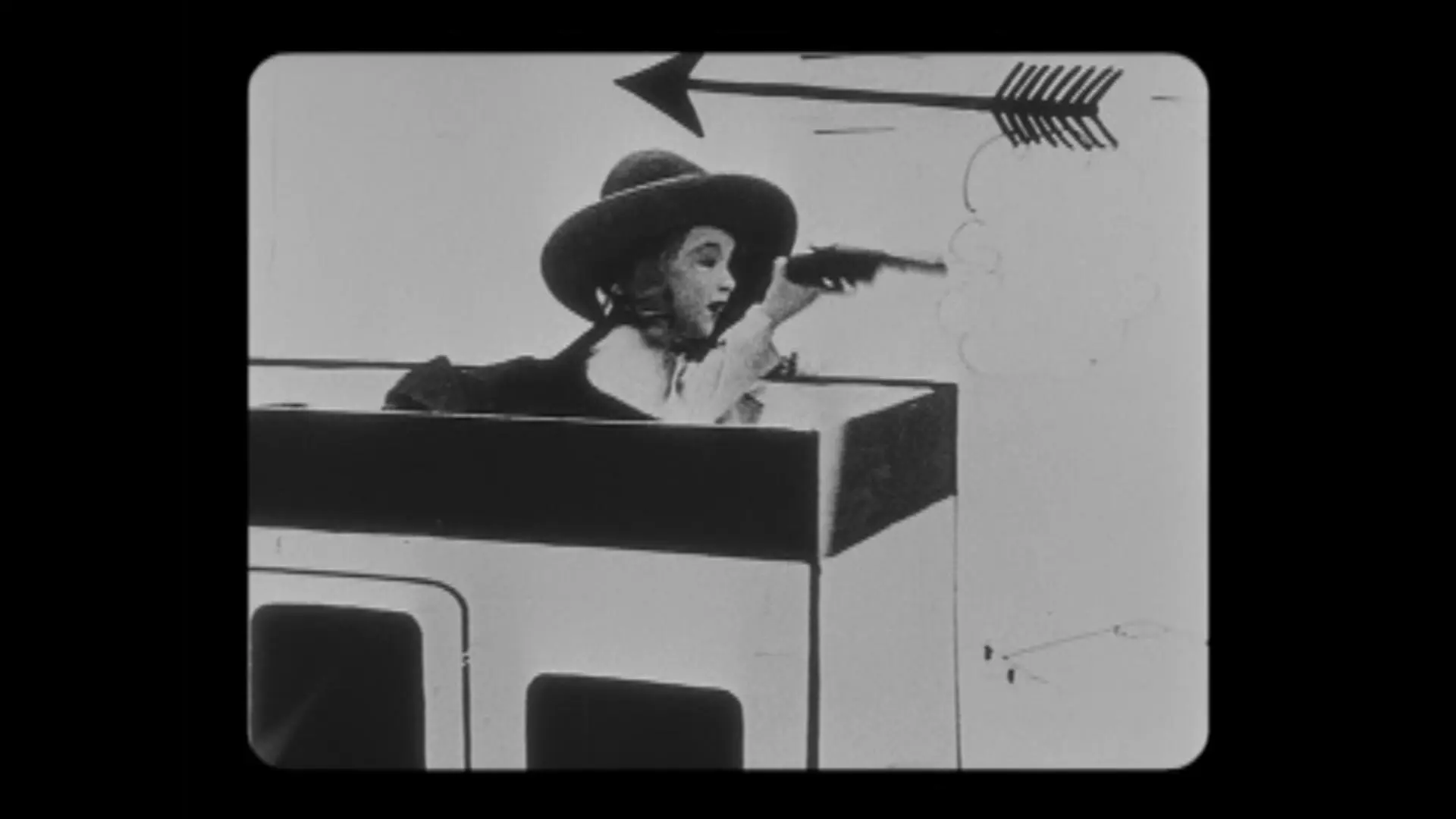
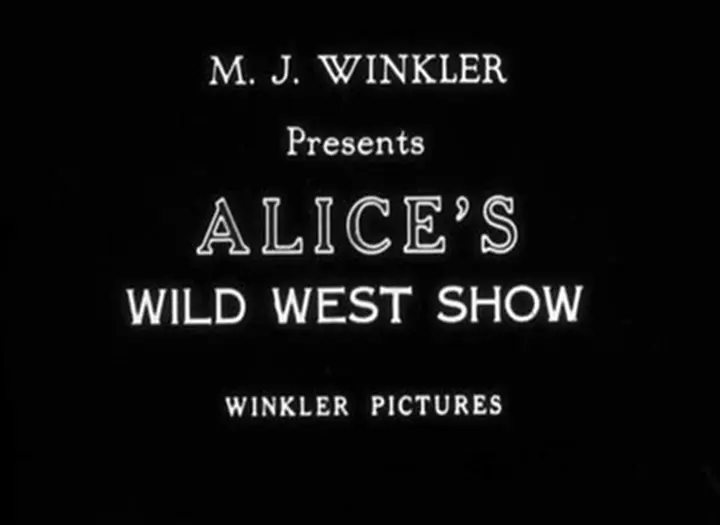
To gaze upon Alice's Wild West Show is to witness the primordial soup of the Disney empire. Released in 1924, this short film represents a pivotal juncture where the raw, unrefined energy of silent-era slapstick collided with the innovative potential of the animated frame. Unlike the later, more polished iterations o...
still_frame
still_frame
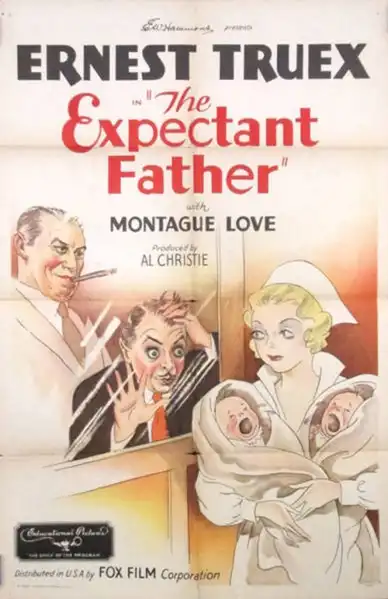
Comparing the cinematic DNA and archive impact of two defining moments in cult history.
Walt Disney
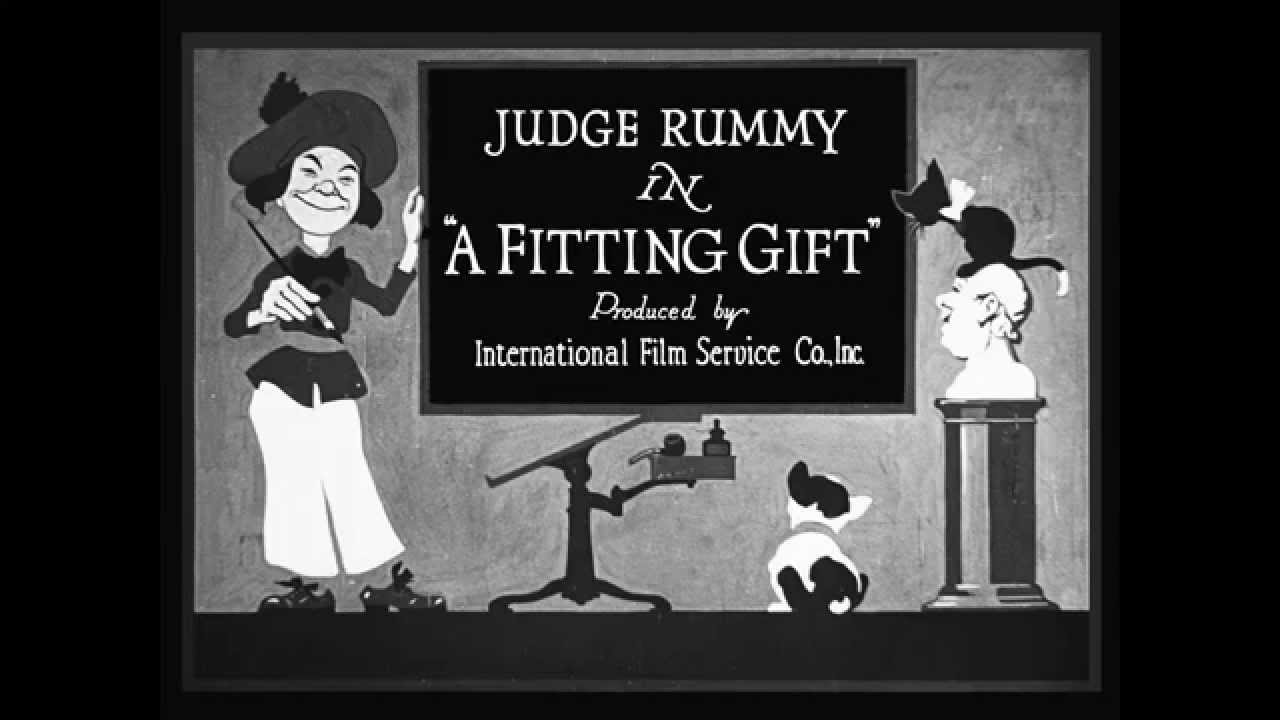
Unknown Director
Community
Log in to comment.
" To gaze upon Alice's Wild West Show is to witness the primordial soup of the Disney empire. Released in 1924, this short film represents a pivotal juncture where the raw, unrefined energy of silent-era slapstick collided with the innovative potential of the animated frame. Unlike the later, more polished iterations of the Alice Comedies, this particular installment feels remarkably grounded in the tactile reality of 1920s suburbia, echoing the gritty charm found in Fresh Paint (1922) or the ea..."
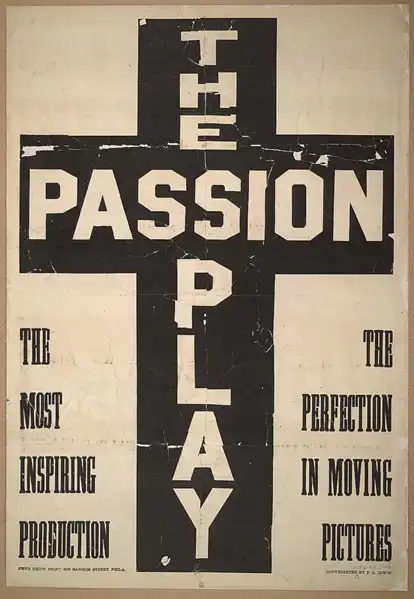
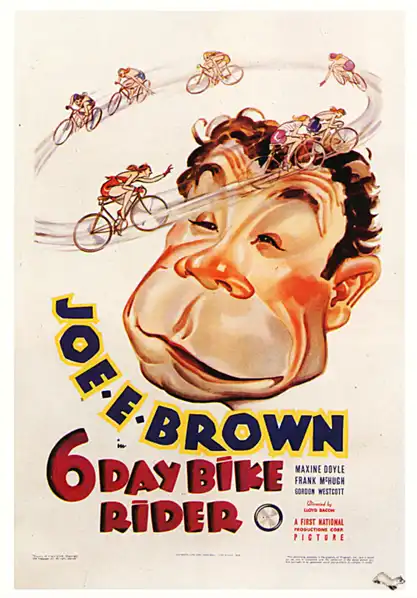
Deep dive into the cult classic
Discover similar cinematic experiences
A Directorial Spotlight on Walt Disney