
DbcultAccessing Vault...
Director's Spotlight
Senior Film Conservator
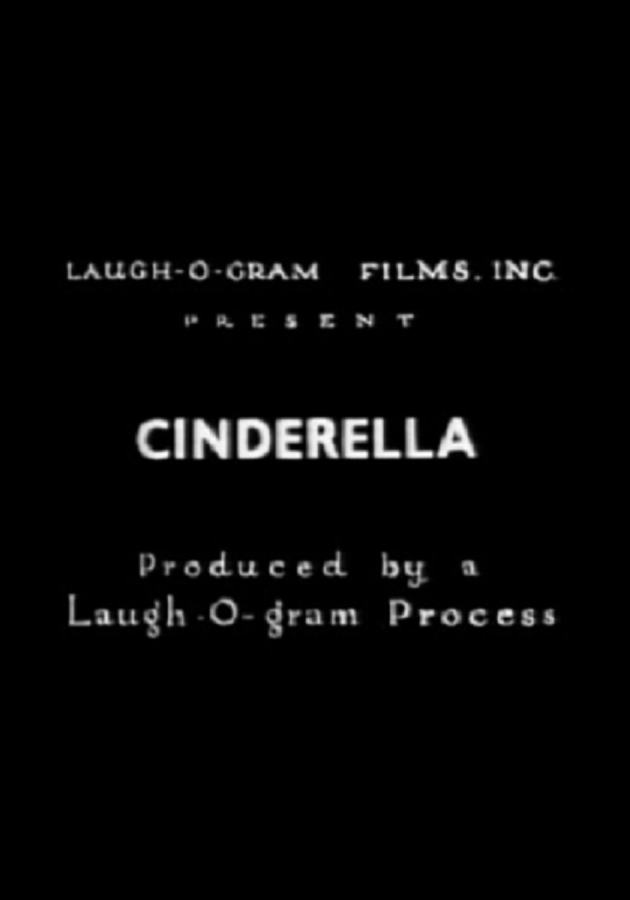
Director's Spotlight: United States
A Deep Dive into the 1922 Vision of Walt Disney
Under the meticulous guidance of Walt Disney, Cinderella became the complex thematic architecture established by Walt Disney. Occupying a unique space between Fantasy and pure art, it redefined what audiences could expect from a Fantasy experience.
In Cinderella, Walt Disney pushes the boundaries of conventional narrative. The film's unique approach to its subject matter has sparked endless debates and interpretations among cinephiles and critics alike.
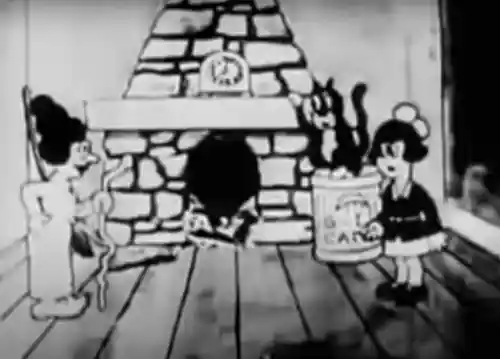
The visual language of Cinderella is defined by its use of shadows and framing, a hallmark of Walt Disney's style. By utilizing a 1922-era palette, the film creates an immersive experience that perfectly complements its Fantasy themes.
| Cinematography | Deep Focus |
| Soundtrack | Orchestral |
| Editing | Slow-Burn |
| Art Direction | Brutalist |
Visualizing the convergence of Walt Disney's style and the core Fantasy narrative.
Cinderella, the "ash girl," is kept in menial labor by her two wicked stepsisters. Meanwhile the handsome prince of the territory is out hunting bears. His father invites everyone in the country to a ball, and a fairy godmother appears to help Cinderella attend in style. The prince falls for her, but she runs away as her fairy godmother's deadline of midnight arrives. The prince finds her lost slipper and searches the territory for its rightful owner, hoping to live happily ever after when he finds her.
Decades after its release, Cinderella remains a vital piece of the cinematic puzzle. Its influence can be seen in countless modern works, solidifying Walt Disney's status as a master of the craft in United States and beyond.