
DbcultAccessing Vault...
Director's Spotlight
Senior Film Conservator
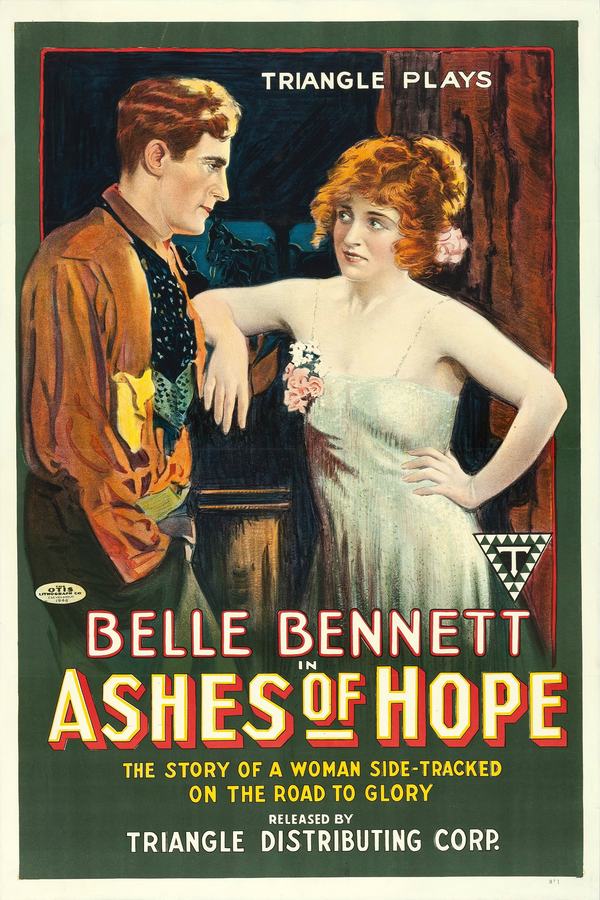
Director's Spotlight: United States
A Deep Dive into the 1917 Vision of Walter Edwards
The brilliance of Ashes of Hope (1917) is inseparable from the visionary mind of its creator, Walter Edwards. Serving as a mirror to the anxieties of a changing world, it persists as a haunting reminder of our own cinematic history.
In Ashes of Hope, Walter Edwards pushes the boundaries of conventional narrative. The film's unique approach to its subject matter has sparked endless debates and interpretations among cinephiles and critics alike.
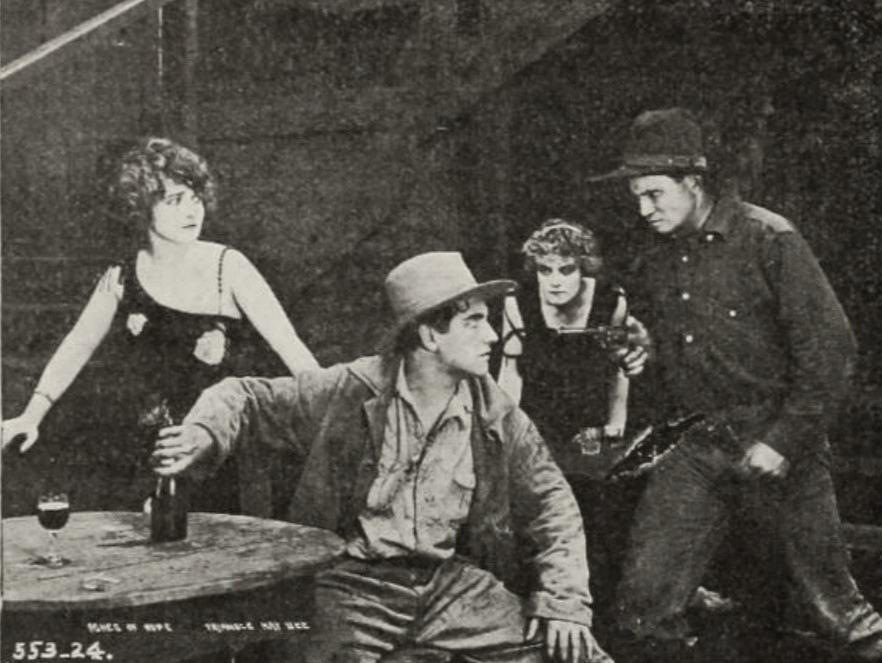
In this work, Walter Edwards explores the intersection of cult and United States cultural identity. The meticulous attention to detail suggests a deep-seated commitment to pushing the boundaries of the medium, ensuring that Ashes of Hope remains a relevant topic of study for cult enthusiasts.
| Cinematography | Handheld |
| Soundtrack | Orchestral |
| Editing | Slow-Burn |
| Art Direction | Brutalist |
Visualizing the convergence of Walter Edwards's style and the core cult narrative.
Jim Gordon, a stranger to Paluski, a Western mining settlement, does not drink or gamble, and refuses dance hall girls' advances. Gonda, the dance hall queen, accepts a wager by gambling proprietor "Ace High" Lawton, who is hopelessly in love with her, that she cannot seduce Gordon. After a drunken miner attempts to shoot Gonda, Gordon protects her, but when she tries to induce Gordon to drink, he knocks her glass from her hand, thus beginning a barroom brawl. Although Gordon wins, he is injured. While Gonda nurses him, they fall in love and plan to marry, but Gordon discourages Gonda from becoming pregnant. When Gordon receives a letter from his wife back East containing a knitted baby shoe and news that he has been proven innocent of a murder charge, he leaves Gonda some gold and starts home. Thinking that Gordon wronged Gonda, Lawton throws him from a cliff. After an Indian trapper robs Gordon, Gordon attempts to rob the gambling hall but fails. He is about to be lynched when Gonda, who has discovered the letter, arranges for Gordon's escape for the sake of his son and agrees to marry Lawton, who then misleads the party trailing Gordon.
Decades after its release, Ashes of Hope remains a vital piece of the cinematic puzzle. Its influence can be seen in countless modern works, solidifying Walter Edwards's status as a master of the craft in United States and beyond.