
DbcultAccessing Vault...
Director's Spotlight
Senior Film Conservator
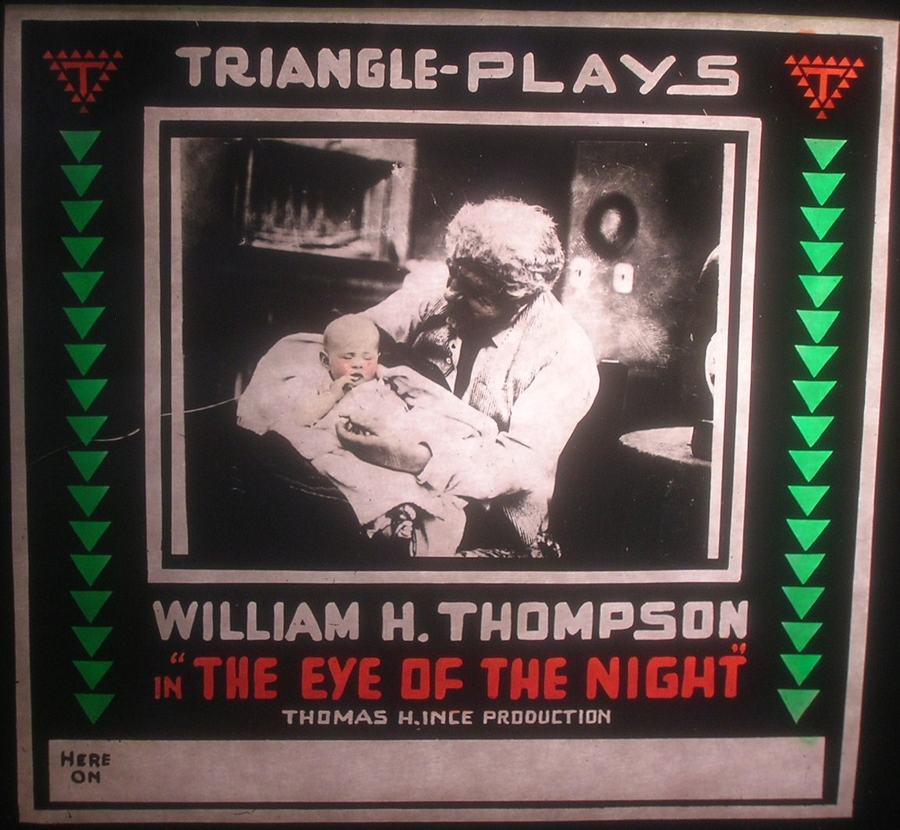
Director's Spotlight: United States
A Deep Dive into the 1916 Vision of Walter Edwards
The thematic gravity of Eye of the Night (1916) is rooted in the historical context that Walter Edwards weaves into the cult fabric. Synthesizing the best elements of United States and international cinema, it highlights the importance of independent voices in United States.
In Eye of the Night, Walter Edwards pushes the boundaries of conventional narrative. The film's unique approach to its subject matter has sparked endless debates and interpretations among cinephiles and critics alike.
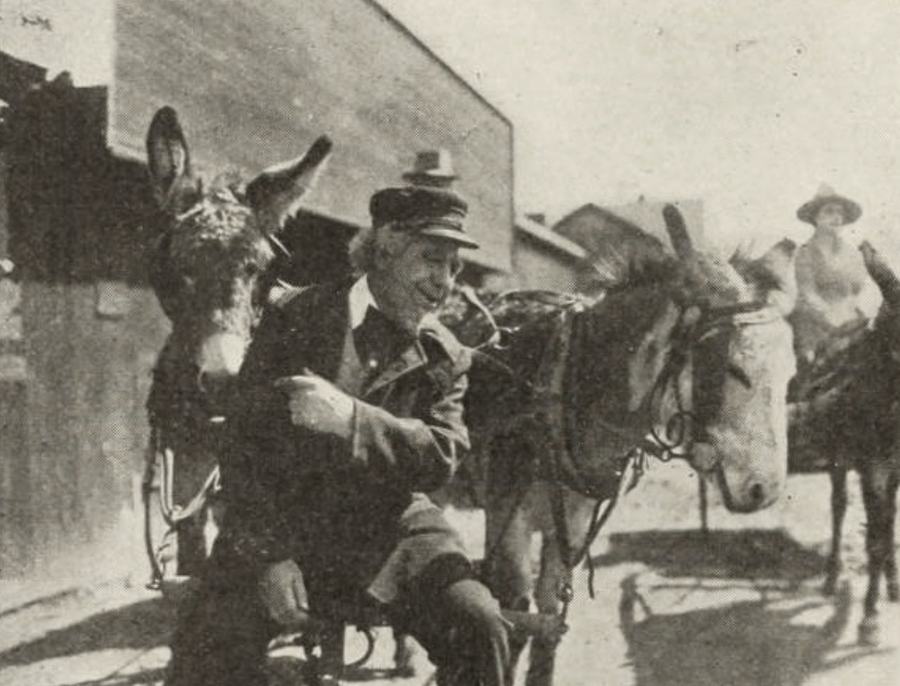
To fully appreciate Eye of the Night, one must consider the cinematic climate of 1916. During this period, United States was undergoing significant artistic shifts, and Walter Edwards was at the forefront of this cult movement, often challenging established norms.
| Cinematography | High-Contrast |
| Soundtrack | Experimental |
| Editing | Elliptical |
| Art Direction | Expressionist |
Visualizing the convergence of Walter Edwards's style and the core cult narrative.
Jane is a comely little slavey in a fishermen's village. The only two friends she has among all the inhabitants are David Holden, the aged keeper of the lighthouse, "The Eye of the Night," and Rob Benson, a young fisher lad whom she has loved with all her heart. Rob and Jane were to be married as soon as the lad could save enough to build them a little nest by the sea. But then the war broke out and Rob was the first to volunteer. Jane whispered a secret to him the day he was to leave that all but made him back out, but, like everyone else, Rob thought the war was to last only a few days and then he would be back in plenty of time, but he wasn't, and one day a nameless little waif was born in one of the big hospitals in London. In her despair Jane turned to the only friend she had, aged David Holden, and determined to ask him to take her baby and be its father. David Holden not only takes in the baby but the mother as well, to the resulting indignation of the narrow-minded townspeople, who first demand that Jane be driven out. When David refuses, they manage to secure his dismissal as keeper of the light. And so David, with Jane and the baby, move into the little cottage David has built from his savings and prepare to live out their lives. While readjusting their lives in the new home, Jane discovers that her mother was David Holden's wife and that her only protector was really her father. But David Holden's wife had run away and left him for another man years and years before and he does not give the girl, his daughter, a chance to make known her discovery to him, simply dismissing the subject of the woman the girl knew to be her mother with a word and a gesture. But Jane cherishes the secret. War comes close to the little hamlet in which David Holden and his two wards live. One night aeroplanes fly over it, dropping bombs as they sped past. One bomb wrecks the lighthouse. All the village knew that an army transport bearing wounded was making for their port. When David sees the lighthouse wrecked, he determines to guide the ship through the narrow entrance to the harbor at all costs. He deliberately sets fire to his cottage to serve as a beacon to guide the mariners. The boat reaches the harbor safely, thanks to David, and the next morning, among the first of the wounded to come from the vessel is Rob Benson. His reunion with Jane follows immediately and the tardy marriage ceremony is immediately performed. And then Jane, her own name cleared, tells David Holden that she is his daughter.
Decades after its release, Eye of the Night remains a vital piece of the cinematic puzzle. Its influence can be seen in countless modern works, solidifying Walter Edwards's status as a master of the craft in United States and beyond.