
DbcultAccessing Vault...
Director's Spotlight
Senior Film Conservator
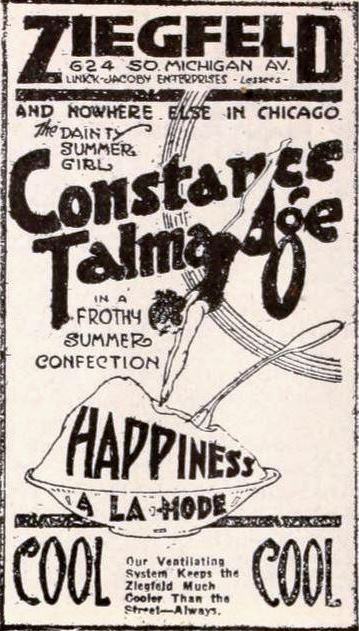
Director's Spotlight: United States
A Deep Dive into the 1919 Vision of Walter Edwards
The brilliance of Happiness a la Mode (1919) is inseparable from the visionary mind of its creator, Walter Edwards. Serving as a mirror to the anxieties of a changing world, it persists as a haunting reminder of our own cinematic history.
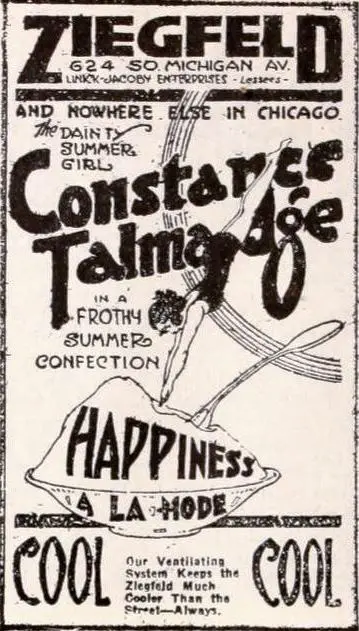
In Happiness a la Mode, Walter Edwards pushes the boundaries of conventional narrative. The film's unique approach to its subject matter has sparked endless debates and interpretations among cinephiles and critics alike.
| Cinematography | Handheld |
| Soundtrack | Synth-Heavy |
| Editing | Disjunctive |
| Art Direction | Baroque |
Visualizing the convergence of Walter Edwards's style and the core cult narrative.
Barbara Townsend is so determined that her young husband shall feel quite free from all restrictions, that he gets the that she no longer cares for him, and under the influence of Dorothy, a designing young widow, he at last suggests as their marriage is a failure, he should arrange for a divorces. This comes quite as a shock to Barbara, but she is a clever little woman, and thinks it best to appear to fall in with suggestion. Cause for divorce is carefully arranged, and the first preliminaries are carried out. Then Barbara starts a violent flirtation with her husband, which inflames Dorothy to such a pitch of ungovernable jealousy that Dicky is relieved to find, at the very last moment, that the decree has not been made absolute.
Decades after its release, Happiness a la Mode remains a vital piece of the cinematic puzzle. Its influence can be seen in countless modern works, solidifying Walter Edwards's status as a master of the craft in United States and beyond.