
DbcultAccessing Vault...
Director's Spotlight
Senior Film Conservator
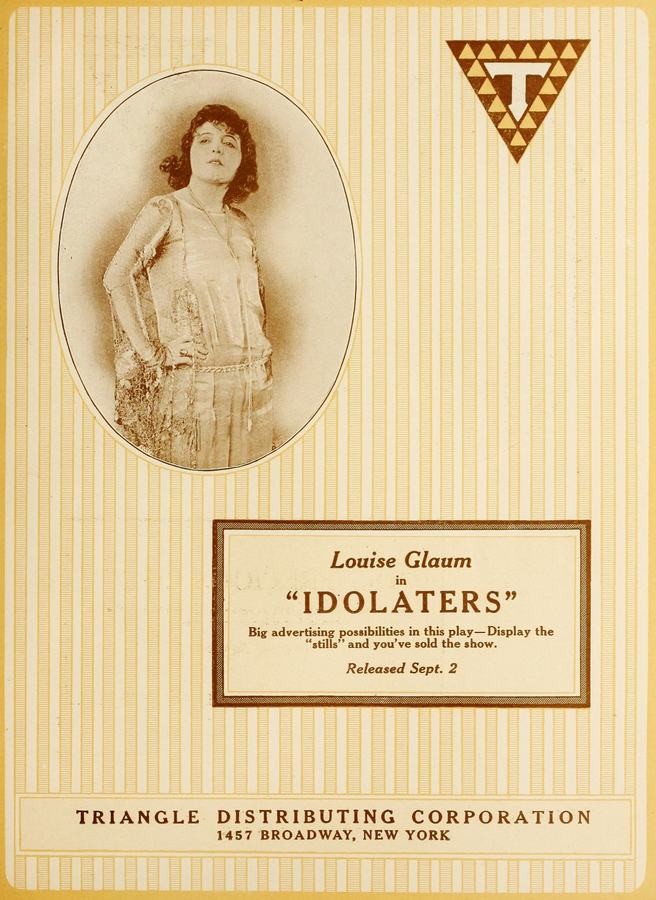
Director's Spotlight: United States
A Deep Dive into the 1917 Vision of Walter Edwards
To understand the modern evolution of United States film, one must first look at Idolators and the meticulous attention to detail that Walter Edwards applied to every frame. Reflecting the political and social shifts of the 1917s, it showcases the power of cult as a tool for social commentary.
In Idolators, Walter Edwards pushes the boundaries of conventional narrative. The film's unique approach to its subject matter has sparked endless debates and interpretations among cinephiles and critics alike.
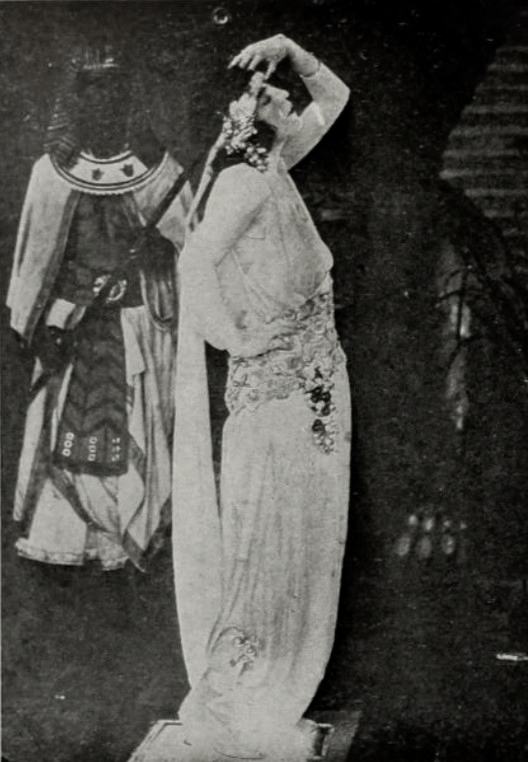
To fully appreciate Idolators, one must consider the cinematic climate of 1917. During this period, United States was undergoing significant artistic shifts, and Walter Edwards was at the forefront of this cult movement, often challenging established norms.
| Cinematography | High-Contrast |
| Soundtrack | Minimalist |
| Editing | Slow-Burn |
| Art Direction | Brutalist |
Visualizing the convergence of Walter Edwards's style and the core cult narrative.
When playwright Curtis de Forest Ralston becomes enamored of actress Viola Strathmore, who is to appear in his play "Vanity," Viola induces him to change certain parts and give her more lines. Curtis, who is not as talented as he thinks he is, fails at his job but is saved by his wife Anita, a former actress who has forsaken her career for marriage. Anita and her old manager, Bruce Winthrope, fashion the play to suit Viola, and "Vanity" becomes a huge success. The play's triumph enlarges Curtis's ego even further, and he deserts Anita for Viola. When the play's financial backer discovers the illicit relationship between the star and author, however, he withdraws his funds and the play closes. Still in love with Viola, Curtis attempts to continue their affair, but she kills him because she blames him for her downfall. Fearful of the police, Viola takes refuge in a tenement, and when they track her down, Viola's faithful Egyptian servant Borul slays his employer rather than let her perish at the hands of the law.
Decades after its release, Idolators remains a vital piece of the cinematic puzzle. Its influence can be seen in countless modern works, solidifying Walter Edwards's status as a master of the craft in United States and beyond.