
DbcultAccessing Vault...
Director's Spotlight
Senior Film Conservator
Director's Spotlight: United States
A Deep Dive into the 1917 Vision of Walter Edwards
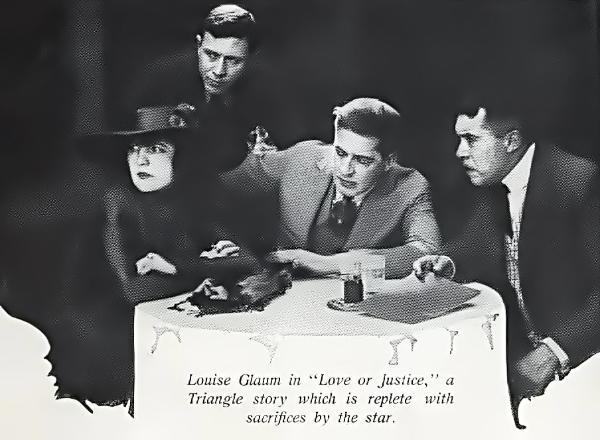
When we examine the cinematic landscape of United States, Love or Justice emerges as a landmark work of the unique directorial voice that Walter Edwards brought to the screen. This film stands as a masterclass in visual storytelling, it demands to be seen by anyone who cares about the art of film.
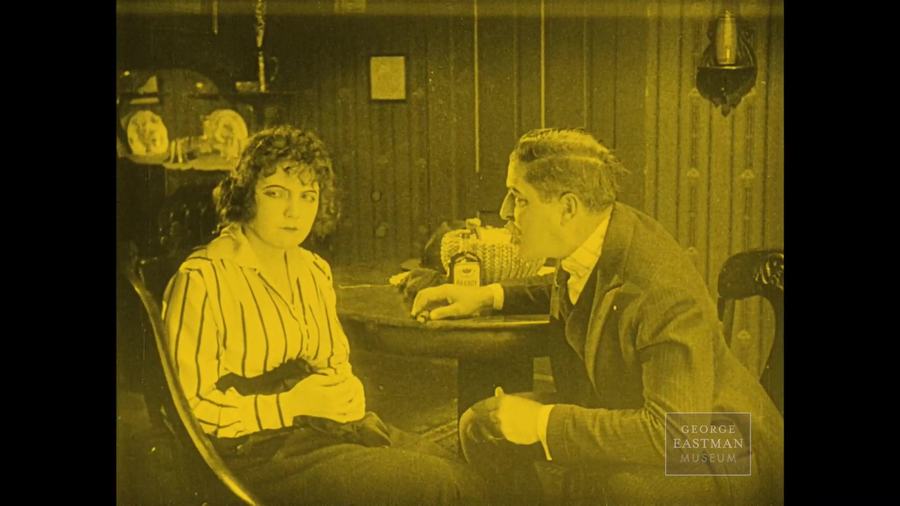
In Love or Justice, Walter Edwards pushes the boundaries of conventional narrative. The film's unique approach to its subject matter has sparked endless debates and interpretations among cinephiles and critics alike.
| Cinematography | Static |
| Soundtrack | Experimental |
| Editing | Invisible |
| Art Direction | Kitsch |
Visualizing the convergence of Walter Edwards's style and the core cult narrative.
Promising young lawyer Jack Dunn becomes a victim of drugs and loses his standing in the legal world. He passes his idle hours in the slums where he meets underworld figure Nan Bishop, whose influence helps to make a man out of Dunn; with her help he breaks his dependence on drugs and is successful in obtaining a position as a criminal lawyer. Years later, they meet again in a courtroom: Nan has been falsely accused of murder and Dunn is the prosecuting attorney. Learning that Dunn's professional future depends on his winning the case, Nan pleads guilty, but at the last minute, the real criminal is discovered and Nan is cleared of the crime. She then accepts Dunn's offer of marriage and together they look forward to a happy future.
Decades after its release, Love or Justice remains a vital piece of the cinematic puzzle. Its influence can be seen in countless modern works, solidifying Walter Edwards's status as a master of the craft in United States and beyond.