
DbcultAccessing Vault...
Director's Spotlight
Senior Film Conservator
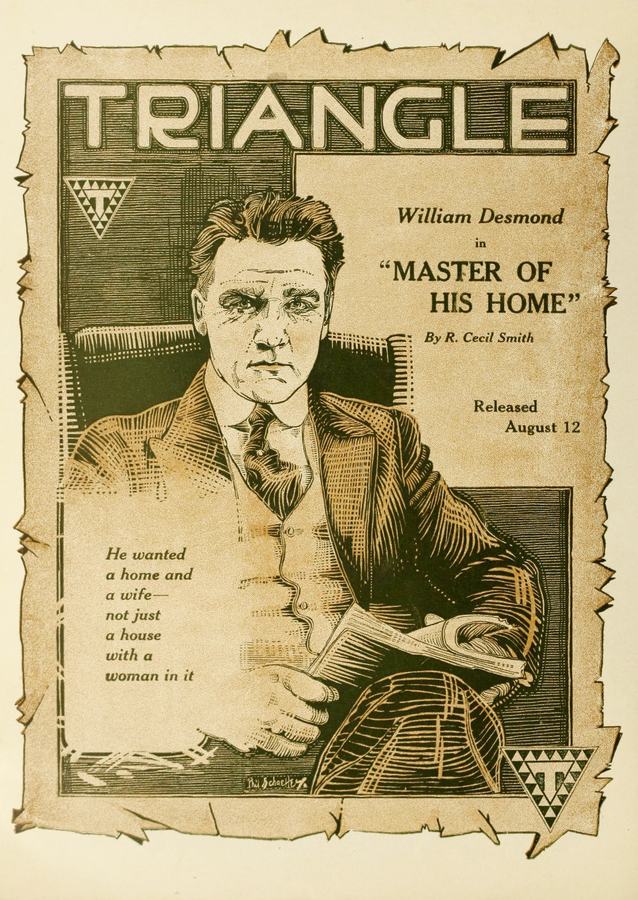
Director's Spotlight: United States
A Deep Dive into the 1917 Vision of Walter Edwards
As a cultural artifact of the 1917s, Master of His Home provides the visionary mind of its creator, Walter Edwards. With its avant-garde structure and atmospheric tension, it redefined what audiences could expect from a cult experience.
In Master of His Home, Walter Edwards pushes the boundaries of conventional narrative. The film's unique approach to its subject matter has sparked endless debates and interpretations among cinephiles and critics alike.
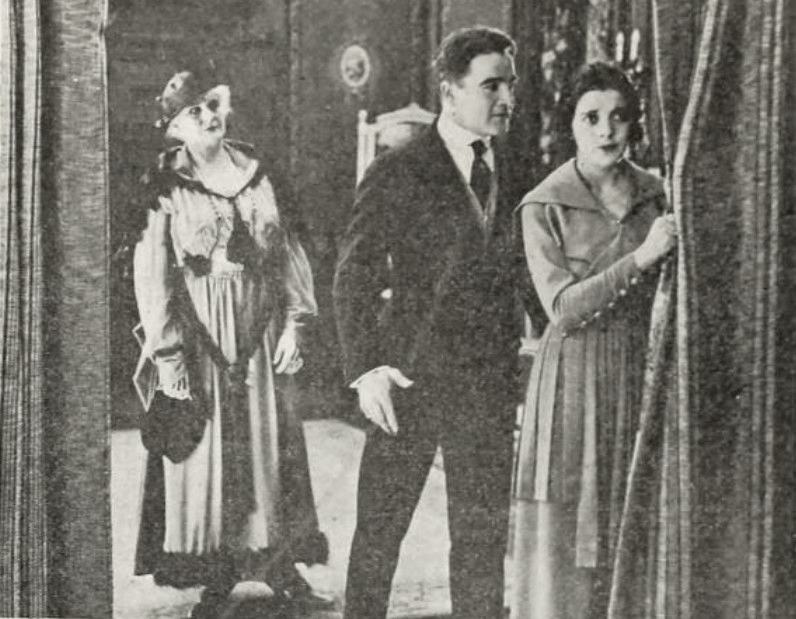
The visual language of Master of His Home is defined by its use of shadows and framing, a hallmark of Walter Edwards's style. By utilizing a 1917-era palette, the film creates an immersive experience that perfectly complements its cult themes.
| Cinematography | High-Contrast |
| Soundtrack | Minimalist |
| Editing | Disjunctive |
| Art Direction | Baroque |
Visualizing the convergence of Walter Edwards's style and the core cult narrative.
Millicent Drake's mother, a woman of social ambitions, has decided that her daughter should marry the socially prominent Van Tyle. Millicent thwarts her mother's plans, however, when on a visit to Van Tyle's mountain lodge, she meets gold miner Carson Stewart and falls in love. Soon after, Stewart comes East to see Millicent and the two are married. Marital discord is injected by Mrs. Drake, who attempts to convince her daughter not to give Stewart the child he so desires. Upon learning that his wife is pregnant and his mother-in-law is advocating an abortion, Stewart leaves home in disgust. Millicent, finally realizing the error of her ways, follows her husband out West with the new addition to their family, and a reconciliation is effected.
Decades after its release, Master of His Home remains a vital piece of the cinematic puzzle. Its influence can be seen in countless modern works, solidifying Walter Edwards's status as a master of the craft in United States and beyond.