
DbcultAccessing Vault...
Director's Spotlight
Senior Film Conservator
Director's Spotlight: United States
A Deep Dive into the 1917 Vision of Walter Edwards
Under the meticulous guidance of Walter Edwards, The Bride of Hate became the complex thematic architecture established by Walter Edwards. Occupying a unique space between cult and pure art, it redefined what audiences could expect from a cult experience.
In The Bride of Hate, Walter Edwards pushes the boundaries of conventional narrative. The film's unique approach to its subject matter has sparked endless debates and interpretations among cinephiles and critics alike.
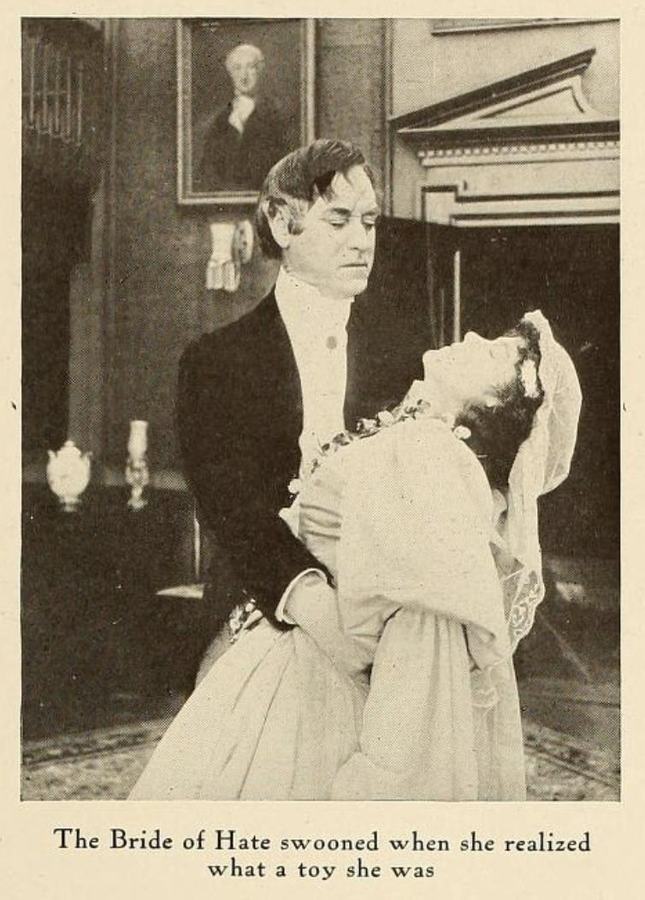
To fully appreciate The Bride of Hate, one must consider the cinematic climate of 1917. During this period, United States was undergoing significant artistic shifts, and Walter Edwards was at the forefront of this cult movement, often challenging established norms.
| Cinematography | Static |
| Soundtrack | Experimental |
| Editing | Elliptical |
| Art Direction | Expressionist |
Visualizing the convergence of Walter Edwards's style and the core cult narrative.
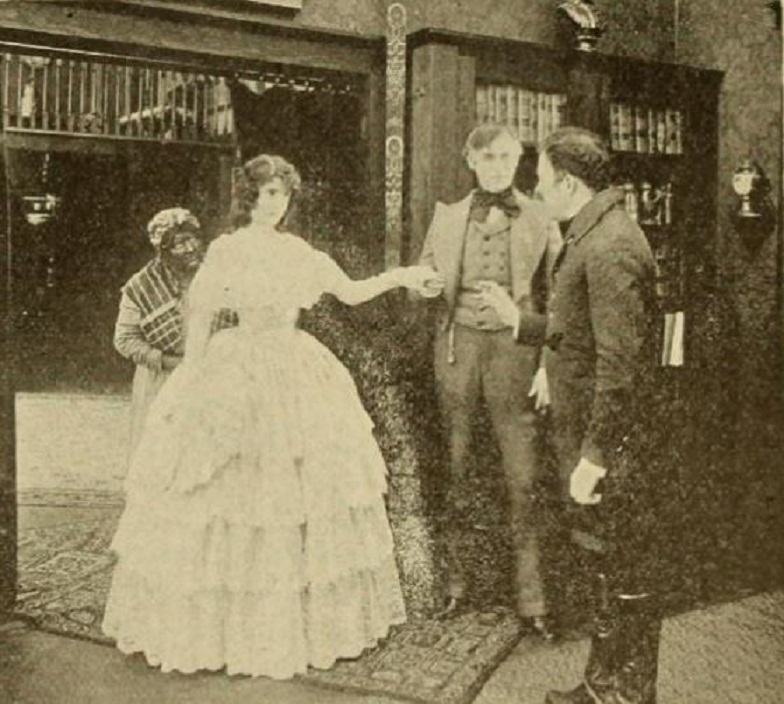
Dr. Dudley Duprez is a well-known Louisiana physician. His beautiful but wayward niece, Rose Duprez, is abducted by Paul Crenshaw, a friend of the doctor, and to prevent her shame from becoming known, Rose kills herself. Dr. Duprez learns her secret and determines to make Crenshaw expiate his crime. While traveling on a Mississippi River steamer, the doctor wins Mercedes, a beautiful slave, at cards. He takes her home and, passing her off as a distant relative, arranges it so that Crenshaw falls in love with the girl. A wedding is arranged, and immediately after the ceremony Dr. Duprez announces to the assembled guests that Mercedes is a slave and that he considers he has punished Crenshaw sufficiently by making him the husband of a "nigger." A yellow fever epidemic breaks out shortly after, and Crenshaw is shot when attempting to evade the quarantine. Dr. Duprez is told by a dying overseer from the plantation where Mercedes was born that the girl is of Spanish and American ancestry, without a drop of negro blood in her veins, and was made a slave through a conspiracy. The doctor returns home, confesses his wrong to Mercedes and is forgiven by her. In the end they are married.
Decades after its release, The Bride of Hate remains a vital piece of the cinematic puzzle. Its influence can be seen in countless modern works, solidifying Walter Edwards's status as a master of the craft in United States and beyond.