
DbcultAccessing Vault...
Director's Spotlight
Senior Film Conservator
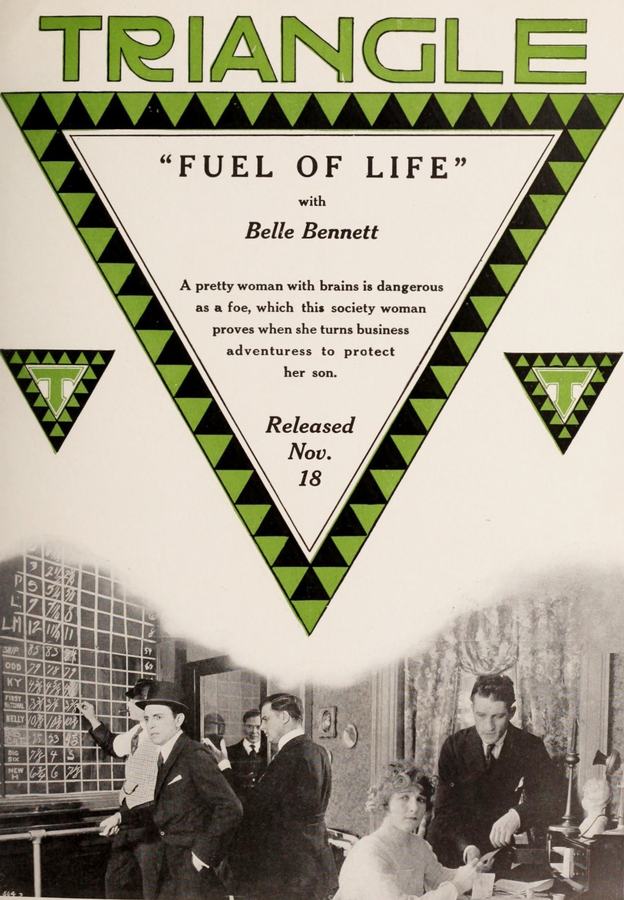
Director's Spotlight: United States
A Deep Dive into the 1917 Vision of Walter Edwards
Deciphering the layers of The Fuel of Life (1917) reveals a monumental shift in cult filmmaking spearheaded by Walter Edwards. With its avant-garde structure and atmospheric tension, offering layers of thematic complexity that demand repeated viewing.
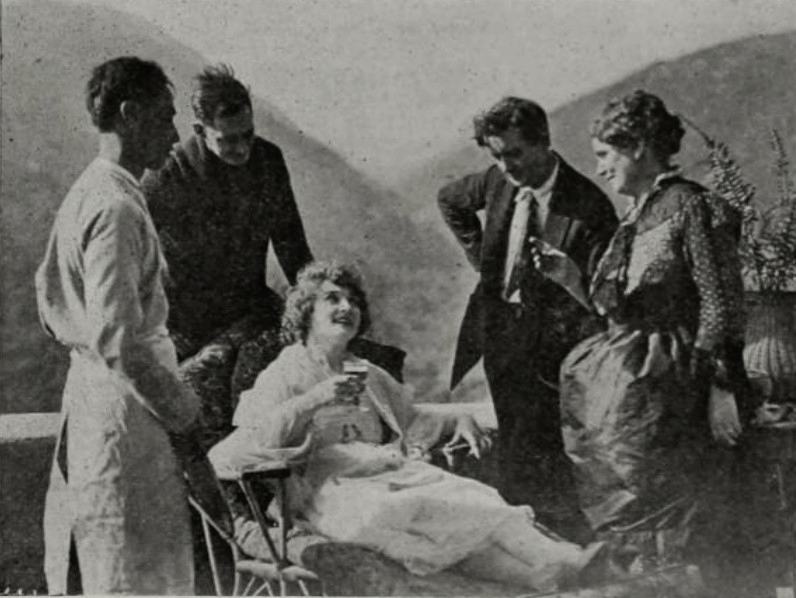
In The Fuel of Life, Walter Edwards pushes the boundaries of conventional narrative. The film's unique approach to its subject matter has sparked endless debates and interpretations among cinephiles and critics alike.
| Cinematography | High-Contrast |
| Soundtrack | Minimalist |
| Editing | Disjunctive |
| Art Direction | Baroque |
Visualizing the convergence of Walter Edwards's style and the core cult narrative.
After discovering her husband Roger has been unfaithful to her, Angela De Haven sets out to make all men pay for his deceit. Roger, despairing of ever winning back his wife, sails for the South Sea islands and is lost during the voyage. Meanwhile, Angela establishes a salon where prominent men vie for her attentions. One of the members of her court, Bragdon Brant, controls the Bob Cat mine, but not the railroad extending to it which is owned by Bob Spalding. Brant sends Angela West to buy the controlling interest in the railroad and she meets Bob, who falls in love with her. Angela refuses to marry him and flees after securing control of the road through Bob's partner, Durant. She returns to New York, intent upon ruining Brant, but is prevented from carrying out her plans when Bob appears and forces her to realize the destructive path that her life has taken. Angela then restores the railroad shares to Bob, and thus reconciled, they travel West to spend the rest of their lives together.
Decades after its release, The Fuel of Life remains a vital piece of the cinematic puzzle. Its influence can be seen in countless modern works, solidifying Walter Edwards's status as a master of the craft in United States and beyond.