
DbcultAccessing Vault...
Director's Spotlight
Senior Film Conservator
Director's Spotlight: United States
A Deep Dive into the 1918 Vision of Walter Edwards
Deciphering the layers of The Gypsy Trail (1918) reveals the complex thematic architecture established by Walter Edwards. Utilizing a 1918-specific aesthetic that remains timeless, it stands as the definitive 1918 statement on cult identity.
In The Gypsy Trail, Walter Edwards pushes the boundaries of conventional narrative. The film's unique approach to its subject matter has sparked endless debates and interpretations among cinephiles and critics alike.
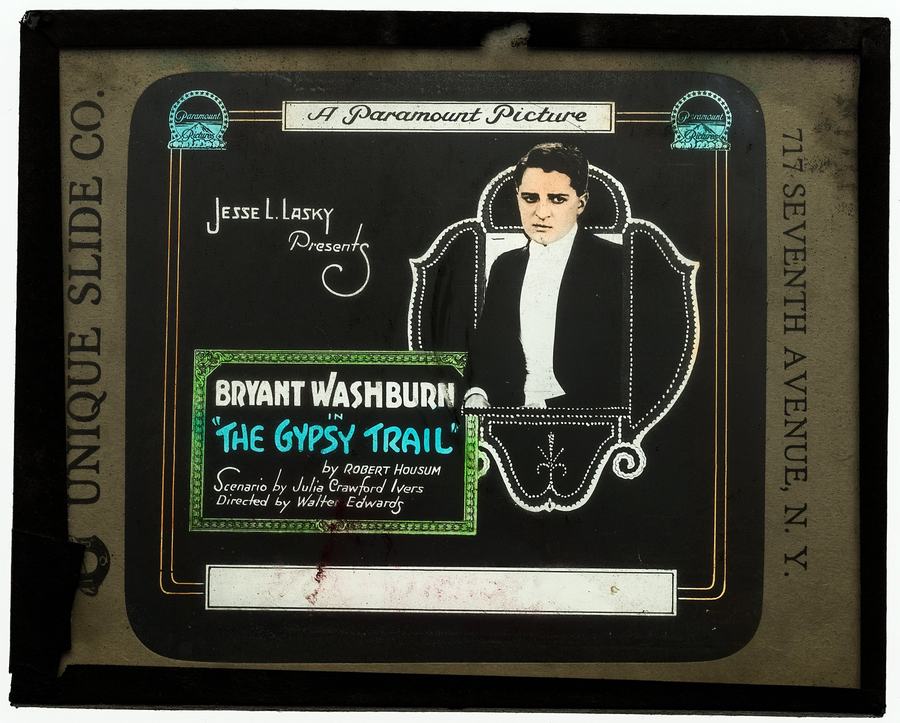
The visual language of The Gypsy Trail is defined by its use of shadows and framing, a hallmark of Walter Edwards's style. By utilizing a 1918-era palette, the film creates an immersive experience that perfectly complements its cult themes.
| Cinematography | Noir-Inspired |
| Soundtrack | Orchestral |
| Editing | Invisible |
| Art Direction | Kitsch |
Visualizing the convergence of Walter Edwards's style and the core cult narrative.
Edward Andrews, a generous but fainthearted young man, loves Frances Raymond, who believes herself to be an incurable romantic. Edward realizes that Frances would love to be whisked off and romanced, but because he is too timid to abduct her himself, he hires Michael Rudder, a breezy young Irish reporter, to do the deed. Michael's dashing manner entrances Frances, but the Irishman prefers the unencumbered life of a rover to that of a husband, and after he delivers her to the home of Edward's grandmother, he wanders away to a gypsy camp. Frances is so downhearted from losing Michael that the kindly Edward finds the reporter and convinces him to propose to the girl. Frances, moved by Edward's goodness, decides that he is the man she really loves and returns to him.
Decades after its release, The Gypsy Trail remains a vital piece of the cinematic puzzle. Its influence can be seen in countless modern works, solidifying Walter Edwards's status as a master of the craft in United States and beyond.