
DbcultAccessing Vault...
Director's Spotlight
Senior Film Conservator
Director's Spotlight: United States
A Deep Dive into the 1915 Vision of Walter Edwin
The enduring fascination with The Spendthrift is a testament to the artistic risks taken by Walter Edwin that eventually paid off. Challenging the viewer to find meaning in the cult shadows, it reminds us of the fragility and beauty of the 1915s.
In The Spendthrift, Walter Edwin pushes the boundaries of conventional narrative. The film's unique approach to its subject matter has sparked endless debates and interpretations among cinephiles and critics alike.
To fully appreciate The Spendthrift, one must consider the cinematic climate of 1915. During this period, United States was undergoing significant artistic shifts, and Walter Edwin was at the forefront of this cult movement, often challenging established norms.
| Cinematography | Handheld |
| Soundtrack | Orchestral |
| Editing | Slow-Burn |
| Art Direction | Brutalist |
Visualizing the convergence of Walter Edwin's style and the core cult narrative.
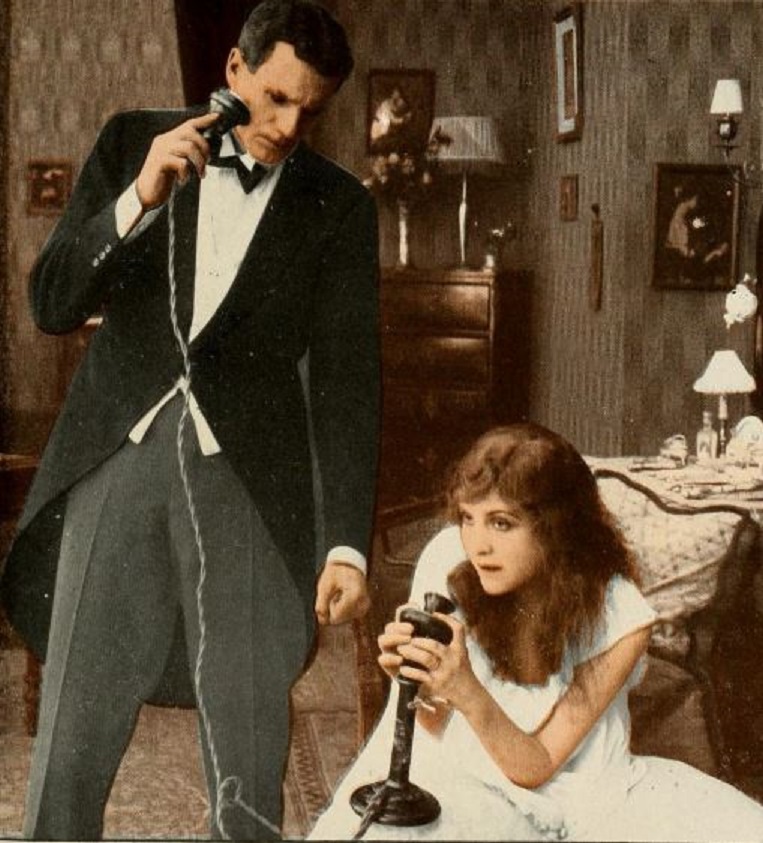
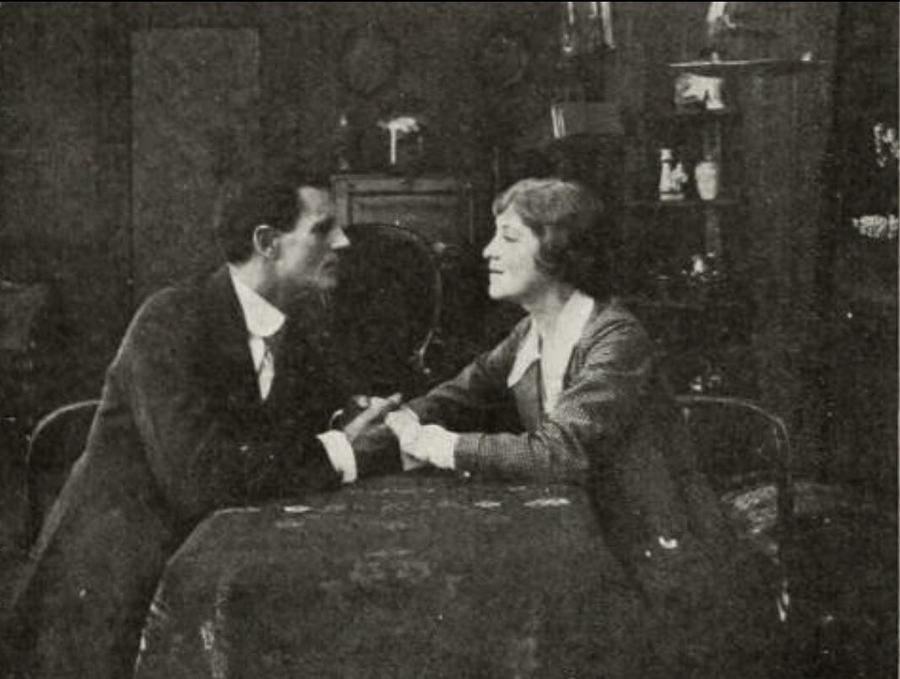
Who has reared the perfect child? Who has successfully combated the destiny-shaping factors of heredity and environment with a theoretical code of child-raising warranted never to fail? Mrs. Gretchen Jans, mistress of millions, failed. Her two pretty nieces, Frances and Clarice were taught to sew and mend, economize and retrench, not alone in clothes and money but in thought and emotion as well. "Plug up the fountain of youth," was the harsh, Puritanical code of Gretchen Jans, and Frances paid the penalty with her heartaches. Hence, when Richard Ward fell in love with Frances and Mrs. Jans refused the parental blessing, the young couple did what most young couples do, set off post-haste for the nearest parsonage. And then into the life of Frances came the great change. A comfortable allowance didn't reach. Money ran like rays of sunshine in a golden stream through the fingers of both hands. Richard couldn't keep up the gait. Bills payable increased with a monotonous regularity only equaled by the decrease of his bills receivable. Credit weakened, the specter of poverty grinned through the office door and the riotous waste of the girl who had been denied continued unabated. And then came the second man with his offer of money and the trail of suffering and self-abasement that followed in its wake. It seemed all very innocent to Frances but it was tragedy to Richard.
Decades after its release, The Spendthrift remains a vital piece of the cinematic puzzle. Its influence can be seen in countless modern works, solidifying Walter Edwin's status as a master of the craft in United States and beyond.