
DbcultAccessing Vault...
Director's Spotlight
Senior Film Conservator
Director's Spotlight: United States
A Deep Dive into the 1925 Vision of Walter Graham
Peeling back the layers of Walter Graham's Call a Cop exposes the technical innovation that Walter Graham introduced to the Comedy format. Driven by an uncompromising commitment to Comedy excellence, it stands as the definitive 1925 statement on Comedy identity.
In Call a Cop, Walter Graham pushes the boundaries of conventional narrative. The film's unique approach to its subject matter has sparked endless debates and interpretations among cinephiles and critics alike.
| Cinematography | Deep Focus |
| Soundtrack | Diegetic |
| Editing | Elliptical |
| Art Direction | Expressionist |
Visualizing the convergence of Walter Graham's style and the core Comedy narrative.
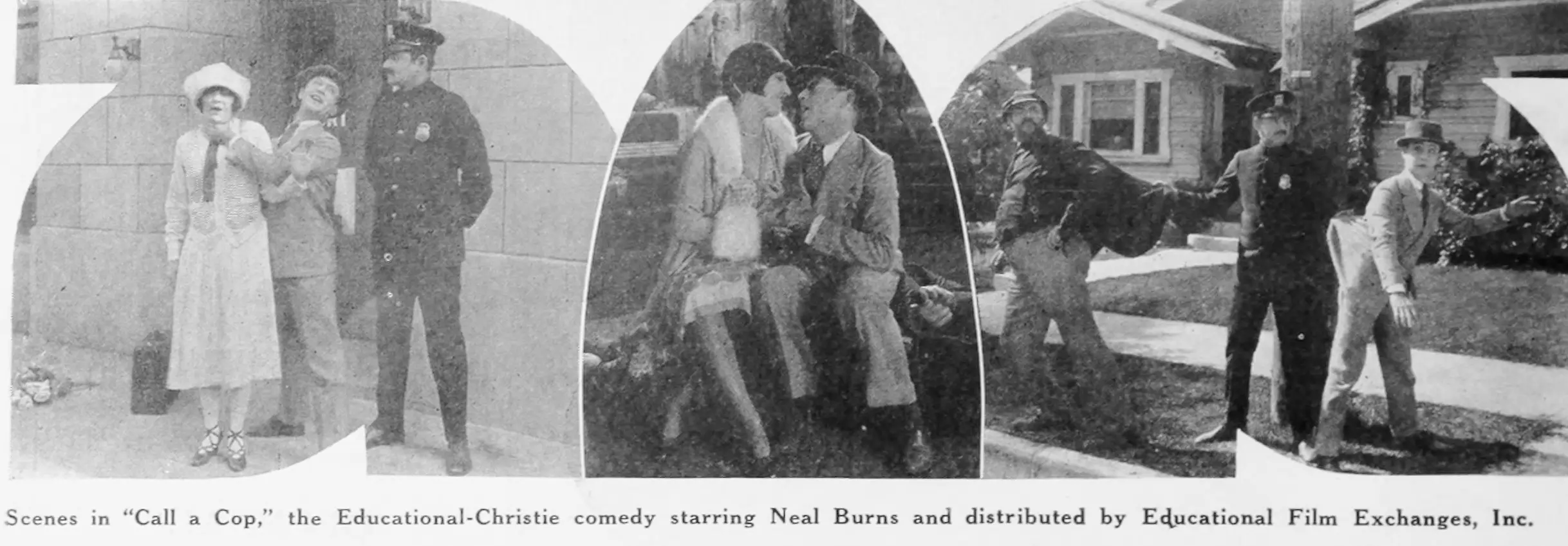
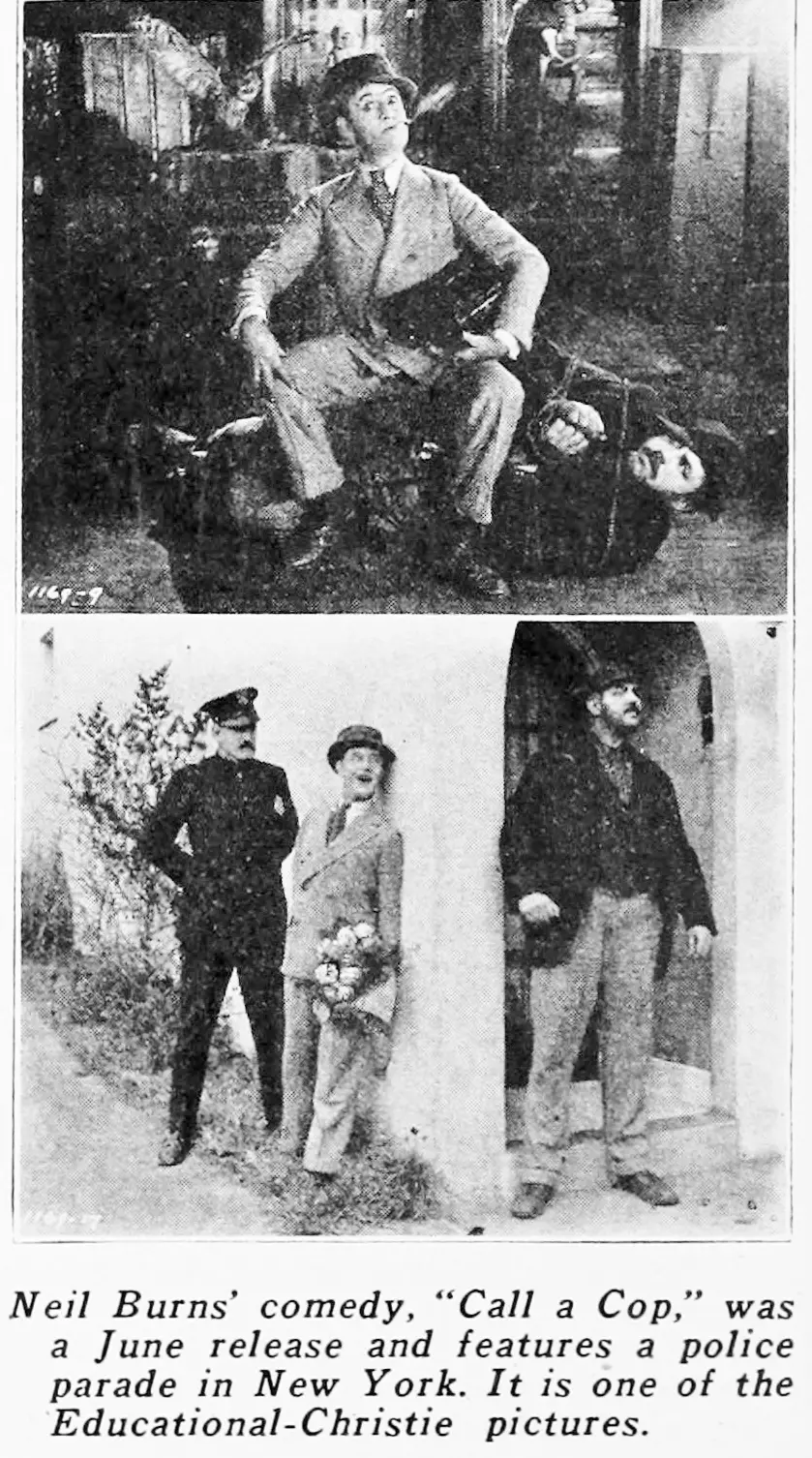
Neal, en route to meet his girl, is arrested for speeding and hires a thug to take his place, expecting a "five day" sentence. The judge gives him six months. The thug breaks jail and chases Neal and the "plot" is further complicated by an inheritance left Neal, which both he and the thug try to get. Neal even tries to break into jail, but without success. He chokes his girl and the cop says "Treat 'Em Rough," a false alarm turns out to be a real fire, etc. Finally, there is a chase all over the lawyer's house in which his porter, Neal, the girl, and the thug participate.
Decades after its release, Call a Cop remains a vital piece of the cinematic puzzle. Its influence can be seen in countless modern works, solidifying Walter Graham's status as a master of the craft in United States and beyond.