
DbcultAccessing Vault...
Director's Spotlight
Senior Film Conservator
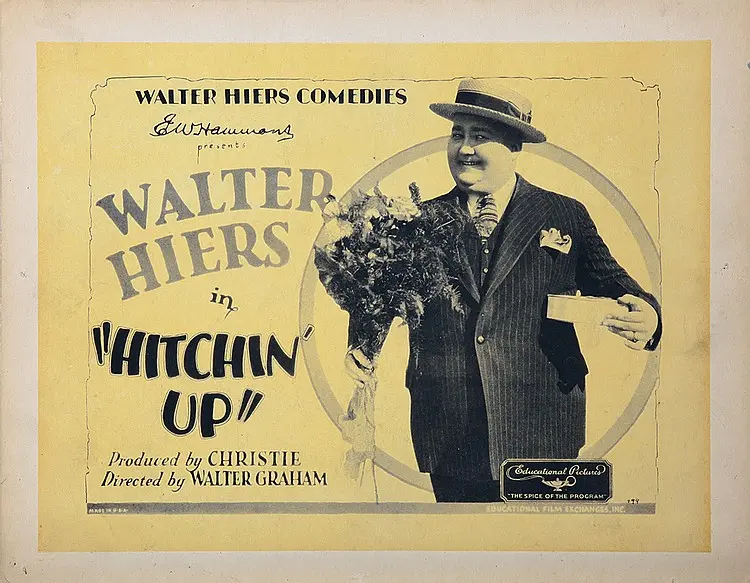
Director's Spotlight: United States
A Deep Dive into the 1926 Vision of Walter Graham
Deciphering the layers of Hitchin' Up (1926) reveals the complex thematic architecture established by Walter Graham. Utilizing a 1926-specific aesthetic that remains timeless, it stands as the definitive 1926 statement on Short identity.
In Hitchin' Up, Walter Graham pushes the boundaries of conventional narrative. The film's unique approach to its subject matter has sparked endless debates and interpretations among cinephiles and critics alike.
The visual language of Hitchin' Up is defined by its use of shadows and framing, a hallmark of Walter Graham's style. By utilizing a 1926-era palette, the film creates an immersive experience that perfectly complements its Short themes.
| Cinematography | Handheld |
| Soundtrack | Orchestral |
| Editing | Slow-Burn |
| Art Direction | Brutalist |
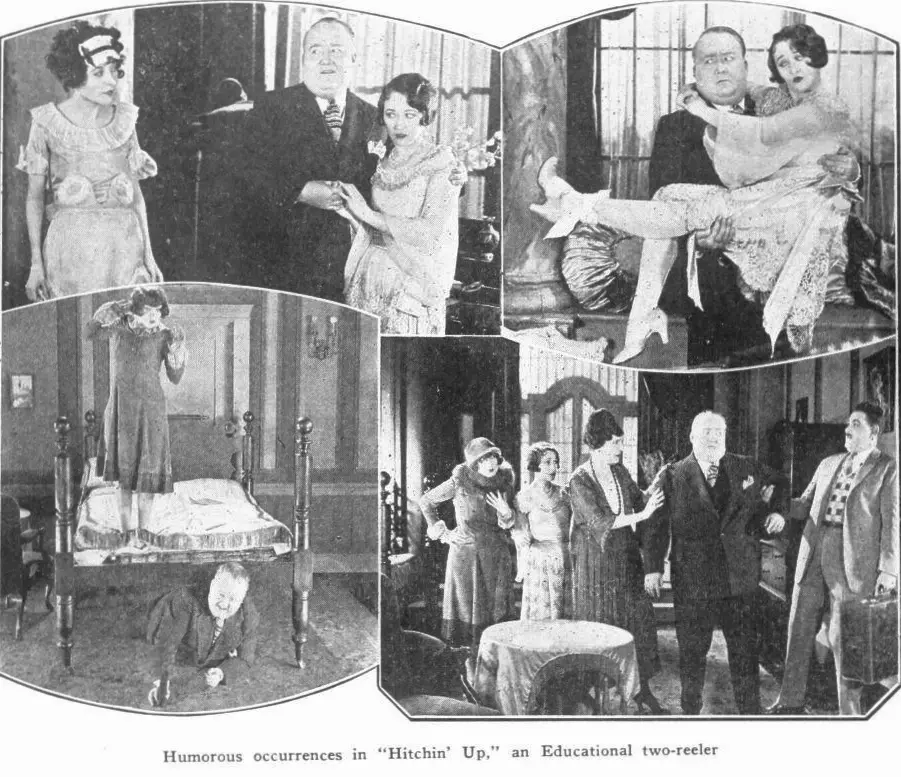
Visualizing the convergence of Walter Graham's style and the core Short narrative.
Walter intends to marry Duane. He has attended to every detail--excepting asking Duane for her consent. He has even procured the license. When he arrives at her home he hides the license under the pillow of his bed realizing, that if Duane sees it and think he is presuming she will marry him before being asked, his plans are off. Yola, fiancee of Bill, Duane's brother, arrives and Walter is asked to exchange rooms with her. He makes the change and then remember that he has left the license under the pillow in her room. He tries to sneak in and get it, but is discovered by Bill, who makes it hot for Walter, warning him to keep away from his sweetheart's room. Walter makes another try when he thinks the coast is clear. Again he is discovered by Bill but manages to excuse himself. Bill warns him again. The third time he tries to get the important paper, Yola enters the room and the luckless Walter is forced to hide under the bed. When he thinks he has an opportunity he reach up under the pillow, but Instead of the license he brings forth a precious necklace which Yola had hidden there. She screams for help and WaIter escapes without being recognized. Detectives line up everybody to search them for the missing jewels. Walter tries hard to get rid of them before the officers search him but is prevented by the pet dog. Finally the necklace is found on him and explanations are in order. Duane indignantly refuses to marry him when she learns that he had procured the license prior to her consent--but the dog brings about a reconciliation between the young lovers.
Decades after its release, Hitchin' Up remains a vital piece of the cinematic puzzle. Its influence can be seen in countless modern works, solidifying Walter Graham's status as a master of the craft in United States and beyond.