
DbcultAccessing Vault...
Director's Spotlight
Senior Film Conservator
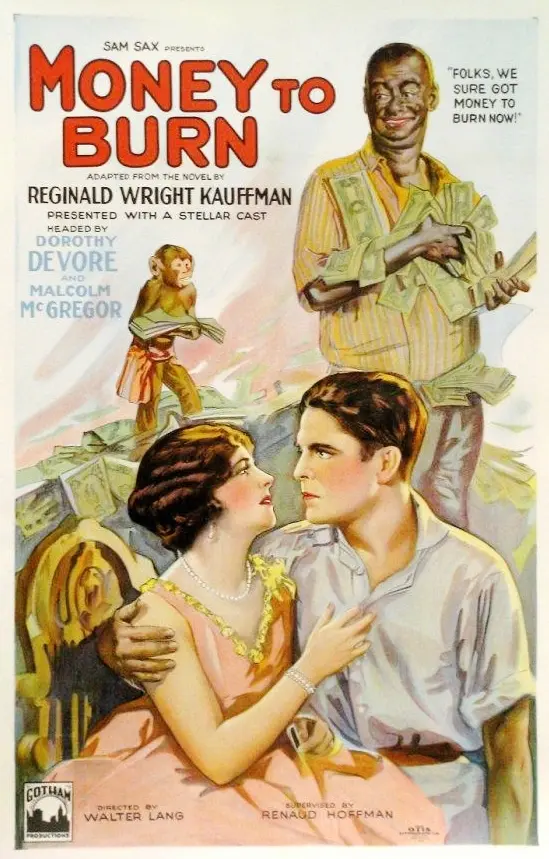
Director's Spotlight: United States
A Deep Dive into the 1926 Vision of Walter Lang
To understand the modern evolution of United States film, one must first look at Money to Burn and the collaborative alchemy between Walter Lang and the 1926 creative team. Subverting the expectations of the typical 1926 audience, it remains a vital reference point for anyone studying the evolution of Walter Lang.
In Money to Burn, Walter Lang pushes the boundaries of conventional narrative. The film's unique approach to its subject matter has sparked endless debates and interpretations among cinephiles and critics alike.
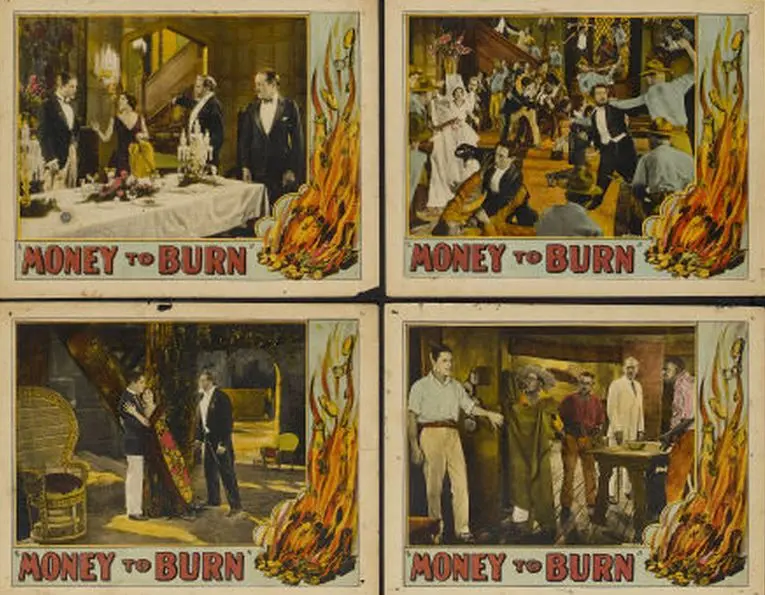
To fully appreciate Money to Burn, one must consider the cinematic climate of 1926. During this period, United States was undergoing significant artistic shifts, and Walter Lang was at the forefront of this Drama movement, often challenging established norms.
| Cinematography | Static |
| Soundtrack | Minimalist |
| Editing | Slow-Burn |
| Art Direction | Brutalist |
Visualizing the convergence of Walter Lang's style and the core Drama narrative.
Dolores Valdez, returning to her South American home, falls in love with Dan Stone, the ship's doctor. He is forced to jump overboard when he thinks he has killed a man who while protecting Dolores. Diego, the uncle of Dolores, is trying to force her to marry Ortego, has a counterfeiting business going with Ortego in a lonely chapel in which Dolores is forbidden to go. Dan has been rescued by Ortego who gets Dan to cure a man who is very sick and guarded by a large black man. Dan and Dolores meet again but keep it a secret. They are discovered and held captive by the guard. The intrigue grows ever larger around them.
Decades after its release, Money to Burn remains a vital piece of the cinematic puzzle. Its influence can be seen in countless modern works, solidifying Walter Lang's status as a master of the craft in United States and beyond.