
DbcultAccessing Vault...
Director's Spotlight
Senior Film Conservator
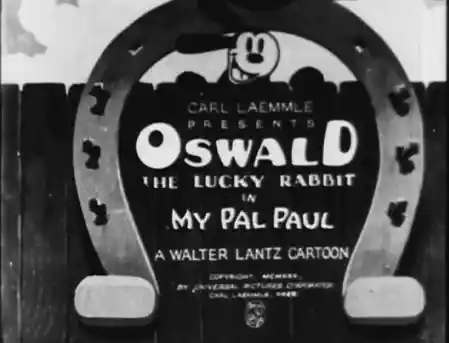
Director's Spotlight: United States
A Deep Dive into the 1930 Vision of Walter Lantz
The evocative power of My Pal Paul stems from the unique collaboration between the subversive storytelling techniques employed by Walter Lantz in 1930. Synthesizing the best elements of United States and international cinema, it reminds us of the fragility and beauty of the 1930s.
In My Pal Paul, Walter Lantz pushes the boundaries of conventional narrative. The film's unique approach to its subject matter has sparked endless debates and interpretations among cinephiles and critics alike.
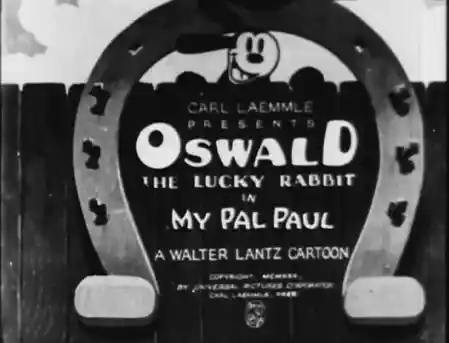
The visual language of My Pal Paul is defined by its use of shadows and framing, a hallmark of Walter Lantz's style. By utilizing a 1930-era palette, the film creates an immersive experience that perfectly complements its Animation themes.
| Cinematography | Deep Focus |
| Soundtrack | Minimalist |
| Editing | Slow-Burn |
| Art Direction | Brutalist |
Visualizing the convergence of Walter Lantz's style and the core Animation narrative.
Oswald the Rabbit puts on a concert for a group of barn animals - but when they discover that he's miming to a record of his idol, Paul Whiteman - they boo and shun him. Oswald wanders off in shame to hang himself from the nearest tree and is stopped by none other than Whiteman himself who happens along in his car. The two begin performing music using parts of the car which leads to some highly surrealistic setpieces (dancing tools - a hood ornament that does an Indian dance, etc.) This rare and whimsical cartoon was used to promote THE KING OF JAZZ and makes reference to same.
Decades after its release, My Pal Paul remains a vital piece of the cinematic puzzle. Its influence can be seen in countless modern works, solidifying Walter Lantz's status as a master of the craft in United States and beyond.