
DbcultAccessing Vault...
Director's Spotlight
Senior Film Conservator
Director's Spotlight: United States
A Deep Dive into the 1926 Vision of Walter Lantz
Peeling back the layers of Walter Lantz's The Pig's Curly Tail exposes the collaborative alchemy between Walter Lantz and the 1926 creative team. Anchored by a narrative that is both personal and universal, it reinforces the idea that cinema is a medium of infinite possibilities.
In The Pig's Curly Tail, Walter Lantz pushes the boundaries of conventional narrative. The film's unique approach to its subject matter has sparked endless debates and interpretations among cinephiles and critics alike.
The visual language of The Pig's Curly Tail is defined by its use of shadows and framing, a hallmark of Walter Lantz's style. By utilizing a 1926-era palette, the film creates an immersive experience that perfectly complements its Comedy themes.
| Cinematography | Noir-Inspired |
| Soundtrack | Synth-Heavy |
| Editing | Rhythmic |
| Art Direction | Naturalist |
Visualizing the convergence of Walter Lantz's style and the core Comedy narrative.
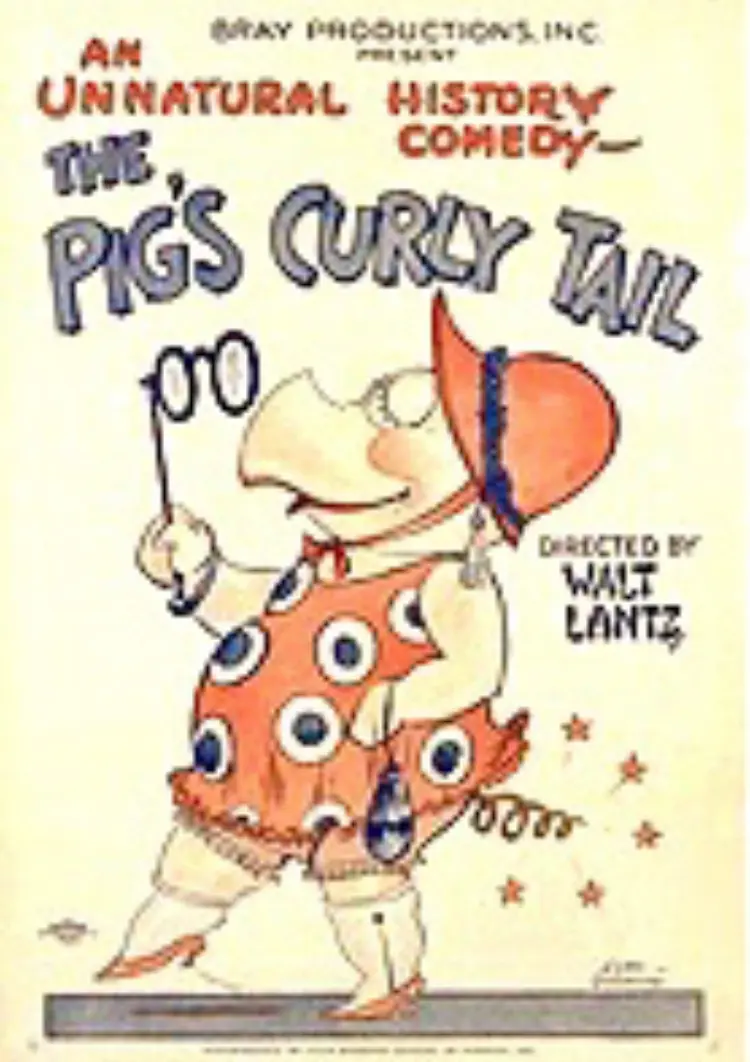
Two pigs steal the snobby Mrs. Hippo's new Ford and, while being pursued by the police, they hit a stone wall, fly into the air and land in a laundry. They get involved with a clothes-wringer, their tails are caught in the rollers, and they come out with corkscrew tails. In the live action, animator Walter Lantz, as he finishes the story, is being led away by the keeper of the local insane asylum.
Decades after its release, The Pig's Curly Tail remains a vital piece of the cinematic puzzle. Its influence can be seen in countless modern works, solidifying Walter Lantz's status as a master of the craft in United States and beyond.