
DbcultAccessing Vault...
Director's Spotlight
Senior Film Conservator
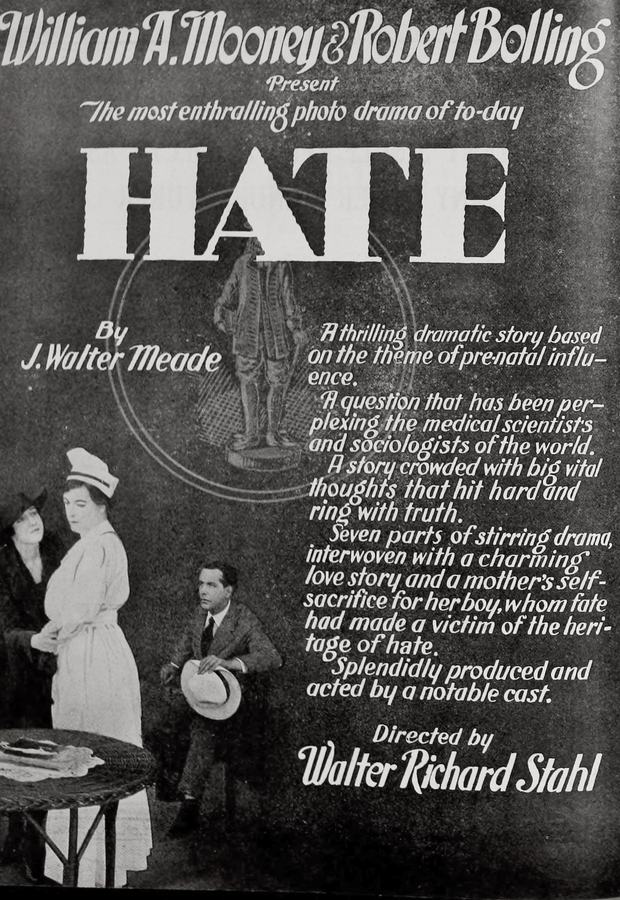
Director's Spotlight: United States
A Deep Dive into the 1917 Vision of Walter Richard Stahl
The enduring fascination with Hate is a testament to the defining moment in cult history that Walter Richard Stahl helped create. This film stands as a masterclass in visual storytelling, it has cemented its place in the global cult cinema archive.
In Hate, Walter Richard Stahl pushes the boundaries of conventional narrative. The film's unique approach to its subject matter has sparked endless debates and interpretations among cinephiles and critics alike.
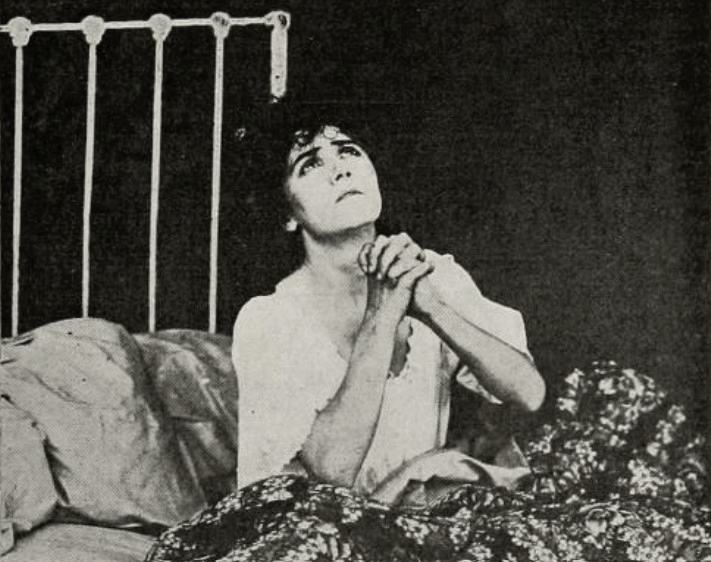
To fully appreciate Hate, one must consider the cinematic climate of 1917. During this period, United States was undergoing significant artistic shifts, and Walter Richard Stahl was at the forefront of this cult movement, often challenging established norms.
| Cinematography | High-Contrast |
| Soundtrack | Orchestral |
| Editing | Invisible |
| Art Direction | Kitsch |
Visualizing the convergence of Walter Richard Stahl's style and the core cult narrative.
Newspaper reporter Jack Bradley marries Ruth Shelton, who was abandoned by another man, in order to give her infant son a name. Years later, as an editor of a powerful metropolitan newspaper, Bradley wages a campaign against "Big Jim" Garvan, the corrupt political boss of the town. Ruth's son Howard, who bears Bradley's name, is in love with Garvan's daughter May. While attempting to uncover some scandal that would destroy Bradley, Garvan finds Tom Leighton, Howard's real father. Garvan uses Leighton to blackmail Bradley, and as the election draws near, Howard discovers the truth of his parentage and, overcome with hate, kills his own father. At the trial, Howard is acquitted on the grounds that he was suffering from an inherited instinct of hate and was justified in the murder of his mother's persecutor. Bradley then defeats Garvan, and all ends happily as Howard marries May.
Decades after its release, Hate remains a vital piece of the cinematic puzzle. Its influence can be seen in countless modern works, solidifying Walter Richard Stahl's status as a master of the craft in United States and beyond.