
DbcultAccessing Vault...
Director's Spotlight
Senior Film Conservator
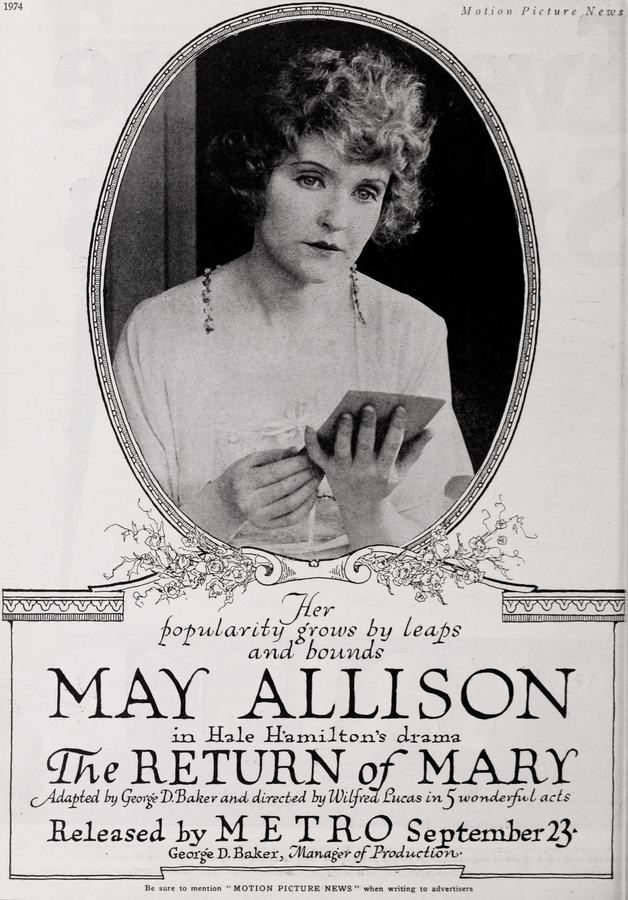
Director's Spotlight: United States
A Deep Dive into the 1918 Vision of Wilfred Lucas
The artistic breakthrough represented by The Return of Mary in 1918 highlights the uncompromising vision of Wilfred Lucas that defines this cult masterpiece. In the context of United States's rich cinematic history, it captures a specific kind of cinematic magic that is rarely replicated.
In The Return of Mary, Wilfred Lucas pushes the boundaries of conventional narrative. The film's unique approach to its subject matter has sparked endless debates and interpretations among cinephiles and critics alike.
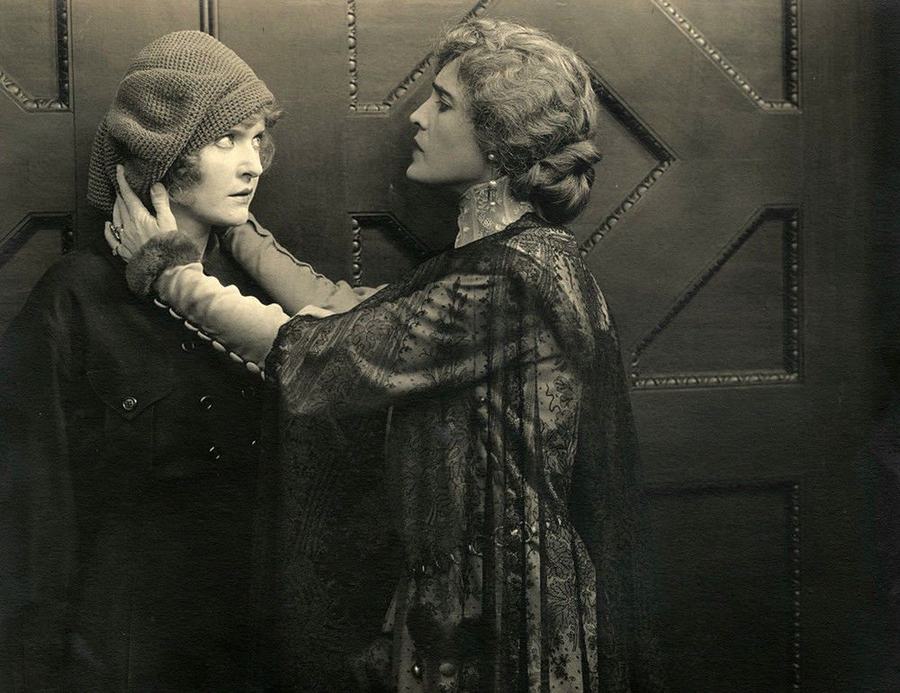
While deeply rooted in United States, The Return of Mary has achieved a global reach, influencing directors from various backgrounds. Its ability to translate cult tropes into a universal cinematic language is why it remains a cult staple decades after its 1918 release.
| Cinematography | Static |
| Soundtrack | Minimalist |
| Editing | Disjunctive |
| Art Direction | Baroque |
Visualizing the convergence of Wilfred Lucas's style and the core cult narrative.
Mary, the three-year-old daughter of John Denby, a railroad president, is kidnapped, and all trace of her is lost. Fourteen years elapse. There has been a terrible wreck on Denby's road and Graham, the engineer, is made the scapegoat. In spite of the fact that he merely obeyed orders, he is sent of to prison. Mary is returned to Denby, the kidnapper explaining that he stole her when his own little daughter was killed, but that now he feels he must return her to her parents. Denby's son, Jack, finds himself strangely attracted to the girl. He procures Graham's release, believing him to be blameless, and Mary tells that Graham is the man she has always known as "father." Graham confesses she is his daughter and that Mary was really kidnapped by his fireman in revenge for fancied wrongs. The child died and the confession enabled Graham to provide for Mary's care during his prison term. Denby is distracted at the idea of losing Mary, but young Jack solves the problem by marrying her.
Decades after its release, The Return of Mary remains a vital piece of the cinematic puzzle. Its influence can be seen in countless modern works, solidifying Wilfred Lucas's status as a master of the craft in United States and beyond.