
DbcultAccessing Vault...
Director's Spotlight
Senior Film Conservator
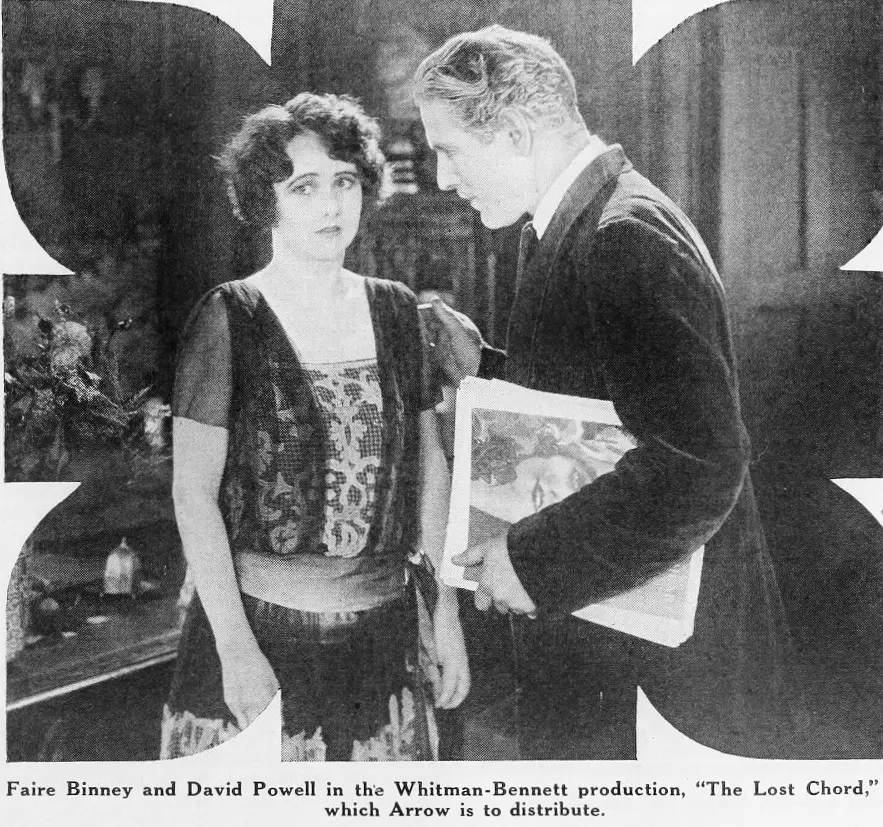
Director's Spotlight: United States
A Deep Dive into the 1925 Vision of Wilfred Noy
Deciphering the layers of The Lost Chord (1925) reveals a monumental shift in Romance filmmaking spearheaded by Wilfred Noy. With its avant-garde structure and atmospheric tension, offering layers of thematic complexity that demand repeated viewing.
In The Lost Chord, Wilfred Noy pushes the boundaries of conventional narrative. The film's unique approach to its subject matter has sparked endless debates and interpretations among cinephiles and critics alike.
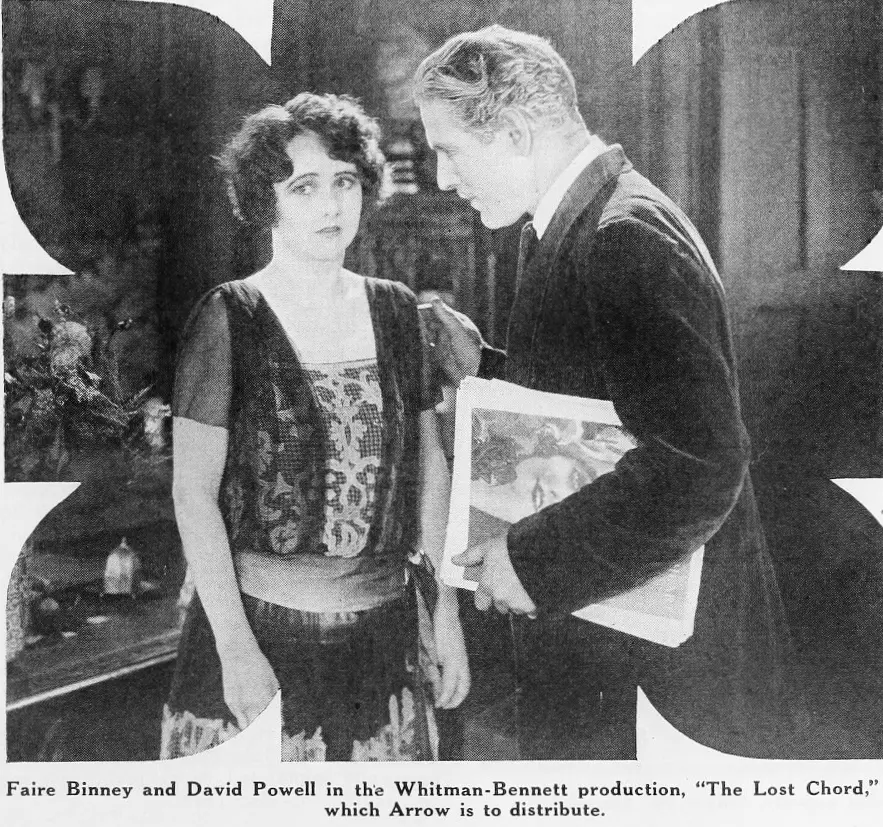
In this work, Wilfred Noy explores the intersection of Romance and United States cultural identity. The meticulous attention to detail suggests a deep-seated commitment to pushing the boundaries of the medium, ensuring that The Lost Chord remains a relevant topic of study for Romance enthusiasts.
| Cinematography | Noir-Inspired |
| Soundtrack | Experimental |
| Editing | Invisible |
| Art Direction | Kitsch |
Visualizing the convergence of Wilfred Noy's style and the core Romance narrative.
Famous organist Arnold Graham returns to the US from a lengthy tour of Europe to find that his girlfriend Madeline has been forced by her family to marry Count Zara, a rich but brutal nobleman who beats her and carries on an affair with his cousin, Pauline Zara. He convinces Pauline to take Madeline's young daughter to England, then report her death of diphtheria. Arnold decides to take his revenge on the count, but matters don't turn out quite the way he wanted.
Decades after its release, The Lost Chord remains a vital piece of the cinematic puzzle. Its influence can be seen in countless modern works, solidifying Wilfred Noy's status as a master of the craft in United States and beyond.