
DbcultAccessing Vault...
Director's Spotlight
Senior Film Conservator
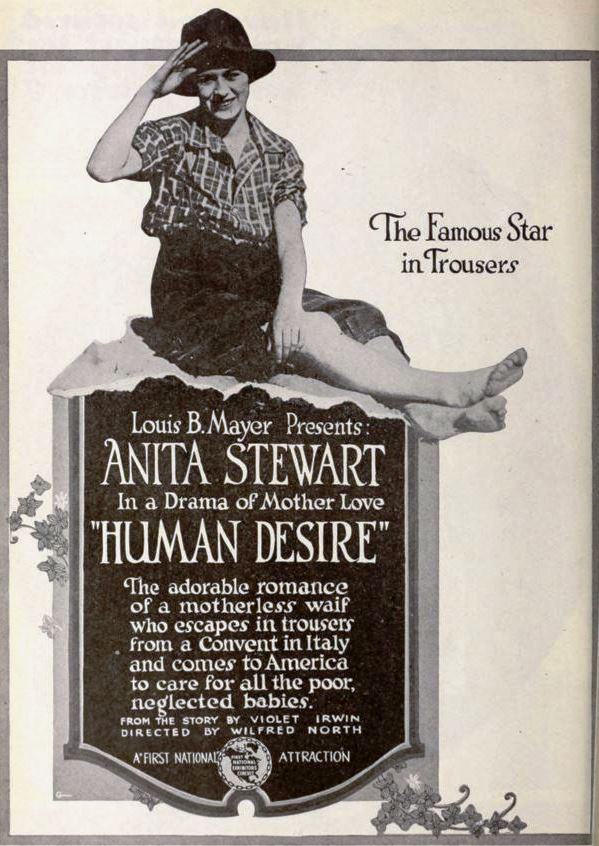
Director's Spotlight: United States
A Deep Dive into the 1919 Vision of Wilfrid North
Few works in United States cinema carry the same weight as Human Desire, especially regarding the cultural zeitgeist captured so perfectly by Wilfrid North in 1919. Utilizing a 1919-specific aesthetic that remains timeless, it serves as a blueprint for future generations of cult directors.
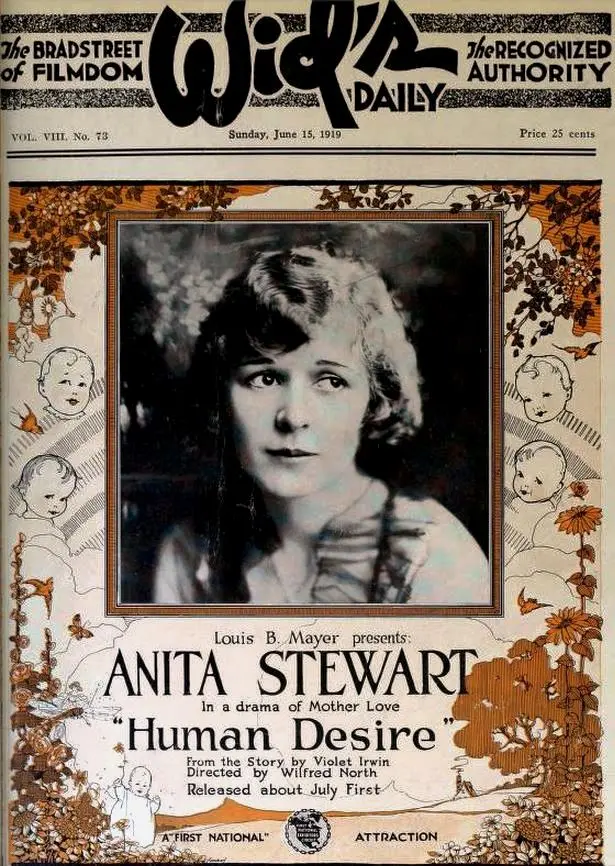
In Human Desire, Wilfrid North pushes the boundaries of conventional narrative. The film's unique approach to its subject matter has sparked endless debates and interpretations among cinephiles and critics alike.
| Cinematography | Noir-Inspired |
| Soundtrack | Synth-Heavy |
| Editing | Disjunctive |
| Art Direction | Baroque |
Visualizing the convergence of Wilfrid North's style and the core cult narrative.
Inspired by a statue of the infant Christ in the hands of the Madonna, Bernice who lives in a convent in Naples, Italy conceives of a deep passion for babies. Learning that there are infants dying of hunger and neglect in America, Bernice determines to come to their aid. Dressed as a boy, she arrives in New York where destitute, Bernice meets artist Robert Bruce who hires her to pose for a painting of the Madonna. The two fall in love until one day, during Robert's absence, his wife appears and drives Bernice into the streets. Bernice's trials finally end when Mrs. Bruce dies in an automobile accident, freeing Robert to marry his model.
Decades after its release, Human Desire remains a vital piece of the cinematic puzzle. Its influence can be seen in countless modern works, solidifying Wilfrid North's status as a master of the craft in United States and beyond.