
DbcultAccessing Vault...
Director's Spotlight
Senior Film Conservator
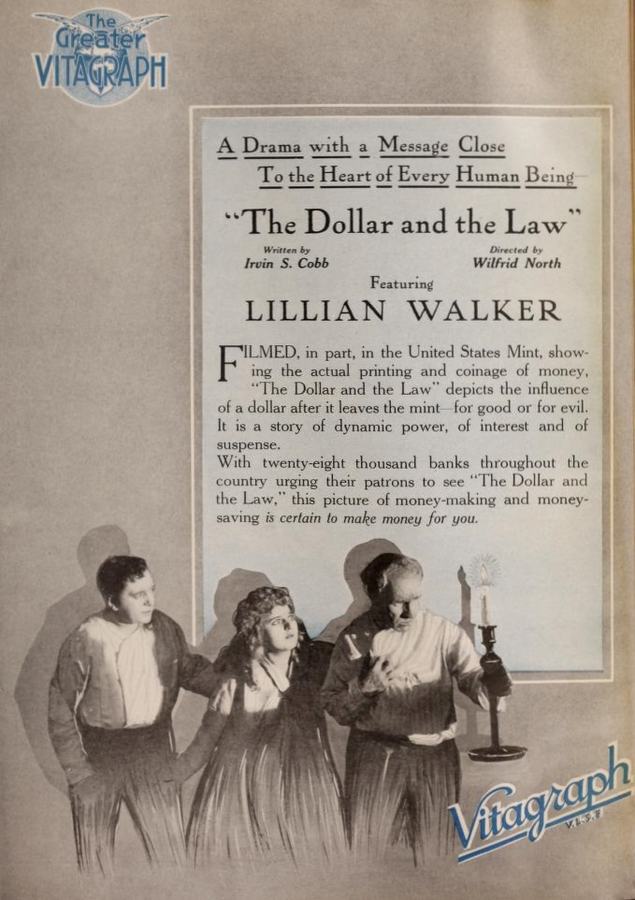
Director's Spotlight: United States
A Deep Dive into the 1916 Vision of Wilfrid North
The cult DNA of The Dollar and the Law is a reflection of United States's the subversive storytelling techniques employed by Wilfrid North in 1916. Breaking the traditional rules of cult engagement, it leaves an indelible mark on the soul of the viewer.
In The Dollar and the Law, Wilfrid North pushes the boundaries of conventional narrative. The film's unique approach to its subject matter has sparked endless debates and interpretations among cinephiles and critics alike.
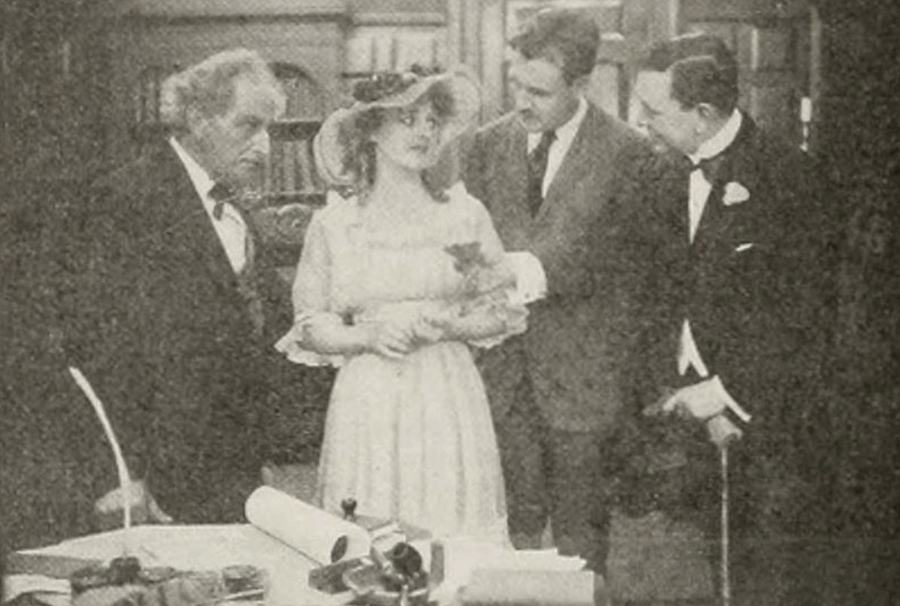
The visual language of The Dollar and the Law is defined by its use of shadows and framing, a hallmark of Wilfrid North's style. By utilizing a 1916-era palette, the film creates an immersive experience that perfectly complements its cult themes.
| Cinematography | High-Contrast |
| Soundtrack | Orchestral |
| Editing | Invisible |
| Art Direction | Kitsch |
Visualizing the convergence of Wilfrid North's style and the core cult narrative.
Amos Brandt is a miser, but his children don't know that he's actually very wealthy. His daughter Lola has been proposed to by both wealthy Richard Denton and not-so-wealthy George Gray, and decides to choose love over money and accepts Gray's proposal. Denton then invests in a company that defrauds the public, and just as he's facing criminal charges and bankruptcy, he learns of Amos' real wealth and decides to rob him. However, things don't go quite the way he planned.
Decades after its release, The Dollar and the Law remains a vital piece of the cinematic puzzle. Its influence can be seen in countless modern works, solidifying Wilfrid North's status as a master of the craft in United States and beyond.