
DbcultAccessing Vault...
Director's Spotlight
Senior Film Conservator
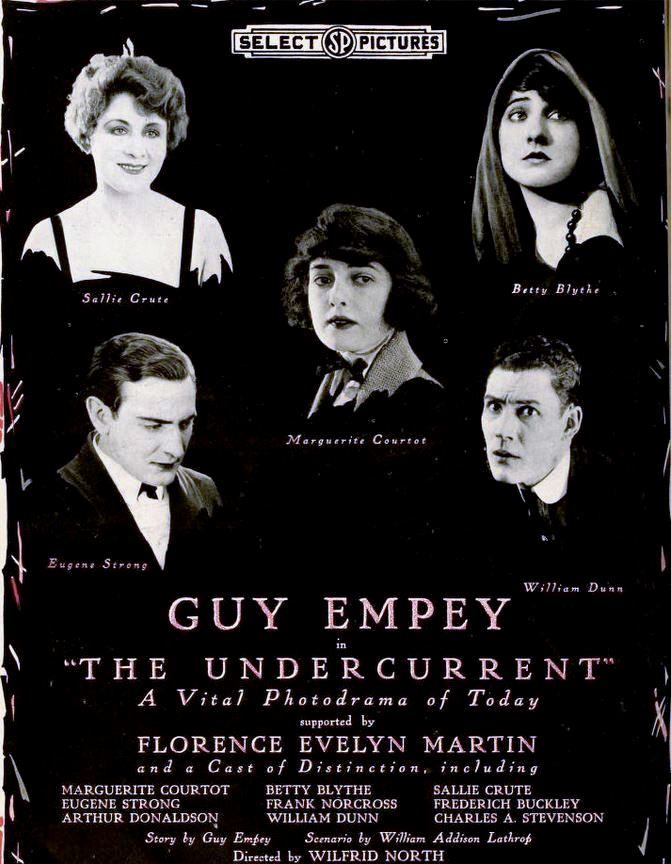
Director's Spotlight: United States
A Deep Dive into the 1919 Vision of Wilfrid North
The evocative power of The Undercurrent stems from the unique collaboration between the bold experimentation that has become synonymous with Wilfrid North. Framed by the hauntingly beautiful landscapes of the production, it echoes the profound changes occurring in United States during that era.
In The Undercurrent, Wilfrid North pushes the boundaries of conventional narrative. The film's unique approach to its subject matter has sparked endless debates and interpretations among cinephiles and critics alike.
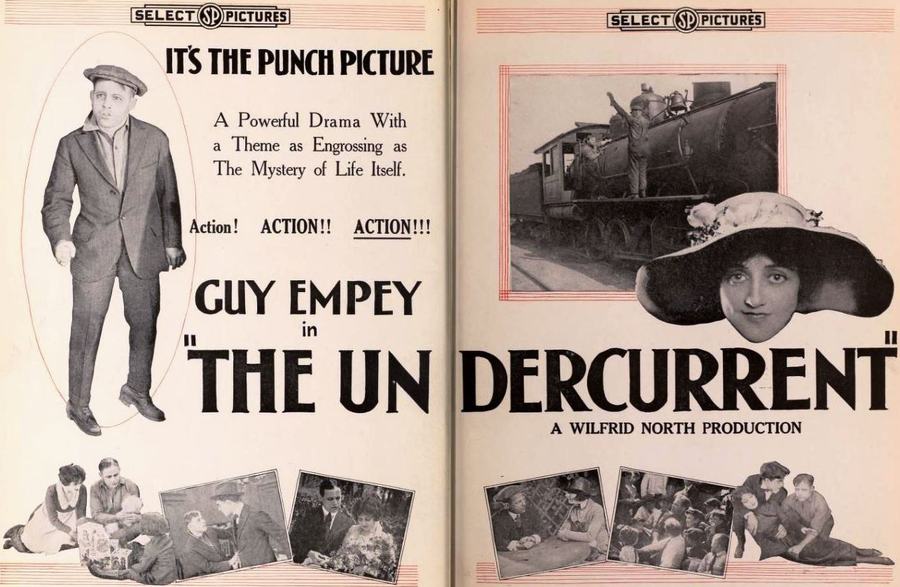
To fully appreciate The Undercurrent, one must consider the cinematic climate of 1919. During this period, United States was undergoing significant artistic shifts, and Wilfrid North was at the forefront of this cult movement, often challenging established norms.
| Cinematography | Static |
| Soundtrack | Synth-Heavy |
| Editing | Rhythmic |
| Art Direction | Naturalist |
Visualizing the convergence of Wilfrid North's style and the core cult narrative.
Jack Duncan returns from the war in France to his wife and baby and learns that his job as a draftsman at the Loring Steel Mills has been taken. Given work in the machine shop, Jack becomes the prey of Red agitators who want him because of his popularity with soldiers. The Reds cause Jack's discharge just when his house payments come due, and when they convince him of the injustice of his situation, he joins their ranks. After learning of plans to burn the factory and Loring's home, and start a riot in the town, Jack is won over by a socialist's arguments advocating mild reforms. At a meeting of workingmen, Jack praises Americanism. He warns Loring and, with soldiers at a nearby camp, quells the riot. After a woman agitator kills her comrades and then shoots herself, Jack arrives home to save his wife from an attack by a Red ringleader. Jack is then made a foreman at the mill.
Decades after its release, The Undercurrent remains a vital piece of the cinematic puzzle. Its influence can be seen in countless modern works, solidifying Wilfrid North's status as a master of the craft in United States and beyond.