
DbcultAccessing Vault...
Director's Spotlight
Senior Film Conservator
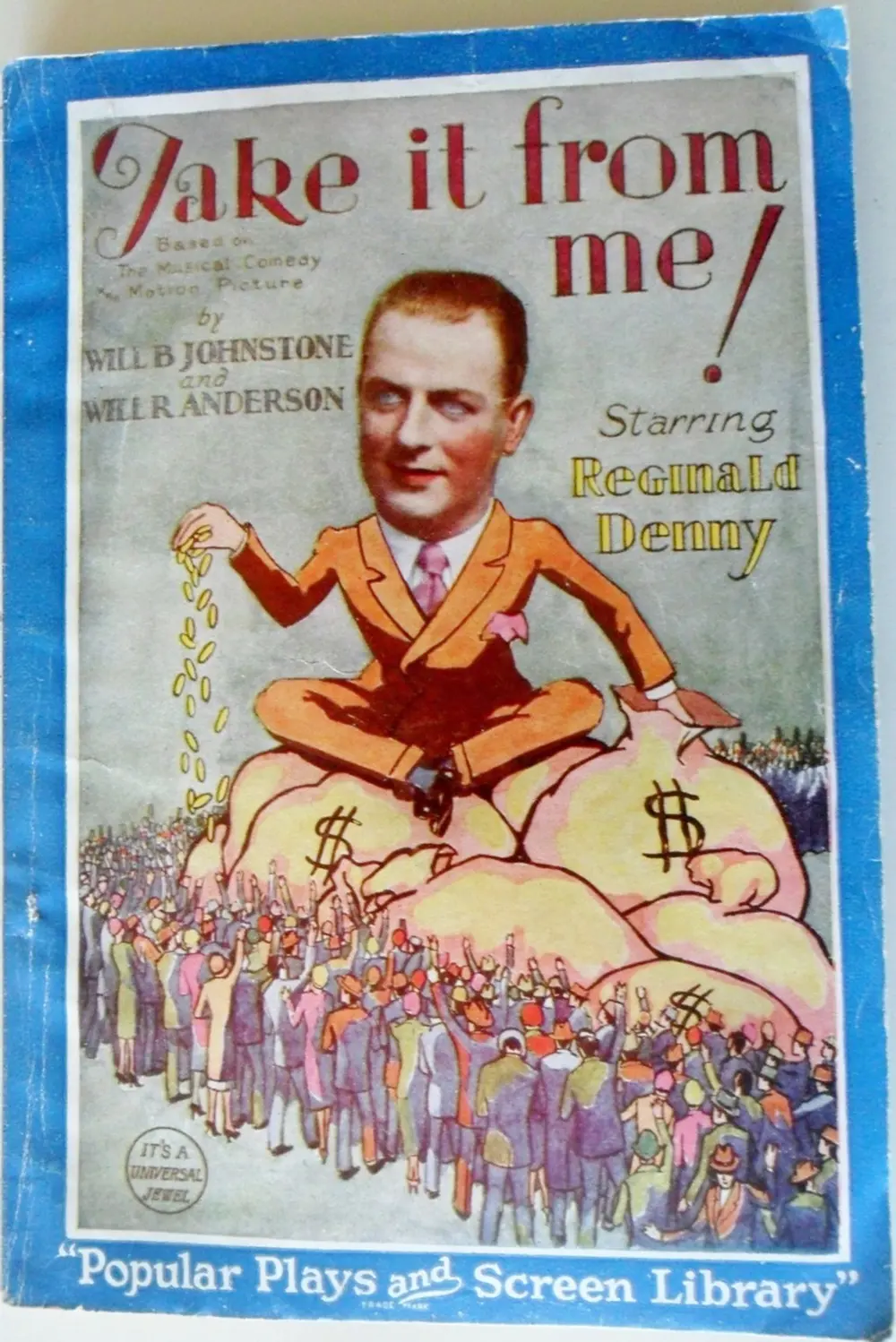
Director's Spotlight: United States
A Deep Dive into the 1926 Vision of William A. Seiter
To understand the modern evolution of United States film, one must first look at Take It from Me and the meticulous attention to detail that William A. Seiter applied to every frame. Reflecting the political and social shifts of the 1926s, it showcases the power of Drama as a tool for social commentary.
In Take It from Me, William A. Seiter pushes the boundaries of conventional narrative. The film's unique approach to its subject matter has sparked endless debates and interpretations among cinephiles and critics alike.
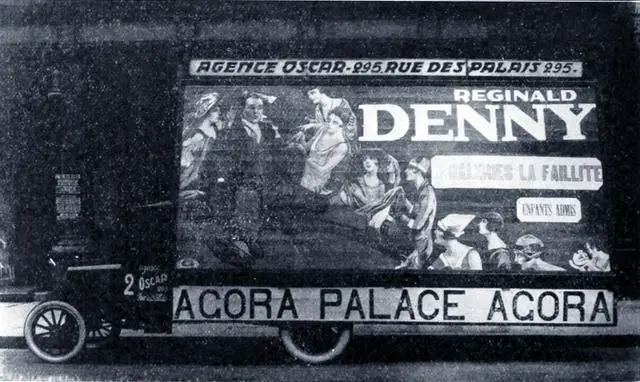
The visual language of Take It from Me is defined by its use of shadows and framing, a hallmark of William A. Seiter's style. By utilizing a 1926-era palette, the film creates an immersive experience that perfectly complements its Drama themes.
| Cinematography | Static |
| Soundtrack | Diegetic |
| Editing | Elliptical |
| Art Direction | Expressionist |
Visualizing the convergence of William A. Seiter's style and the core Drama narrative.
Tom Eggett, with the help of his pals, Dick and Van, loses the last cent of his inheritance, is evicted from his apartment, and is rejected by Gwen, his fiancée. A codicil to his uncle's will, however, stipulates that he shall inherit the Eggett department store provided that he operate it for 3 months at a profit. Cyrus Crabb, manager of the store, is determined to gain possession of the business and arranges for the company's credit to be canceled during Tom's management, though Grace Gordon, a stenographer, has evidence of his perfidy. Tom takes a liking to Grace and hires her as his secretary though Gwen warns her that he is her fiancé. When the business suffers great losses, Tom decides to induce bankruptcy by extravagant expenditures such as a million-dollar fashion show. His tactics boomerang, but when a man returns merchandise stolen by his daughter, the store shows a profit and Tom wins Grace.
Decades after its release, Take It from Me remains a vital piece of the cinematic puzzle. Its influence can be seen in countless modern works, solidifying William A. Seiter's status as a master of the craft in United States and beyond.