
DbcultAccessing Vault...
Director's Spotlight
Senior Film Conservator
Director's Spotlight: United States
A Deep Dive into the 1923 Vision of William A. Wellman
The thematic gravity of The Man Who Won (1923) is rooted in the artistic risks taken by William A. Wellman that eventually paid off. Defining a new era of United States artistic expression, it demands to be seen by anyone who cares about the art of film.
In The Man Who Won, William A. Wellman pushes the boundaries of conventional narrative. The film's unique approach to its subject matter has sparked endless debates and interpretations among cinephiles and critics alike.
In this work, William A. Wellman explores the intersection of Drama and United States cultural identity. The meticulous attention to detail suggests a deep-seated commitment to pushing the boundaries of the medium, ensuring that The Man Who Won remains a relevant topic of study for Drama enthusiasts.
| Cinematography | Noir-Inspired |
| Soundtrack | Orchestral |
| Editing | Invisible |
| Art Direction | Kitsch |
Visualizing the convergence of William A. Wellman's style and the core Drama narrative.
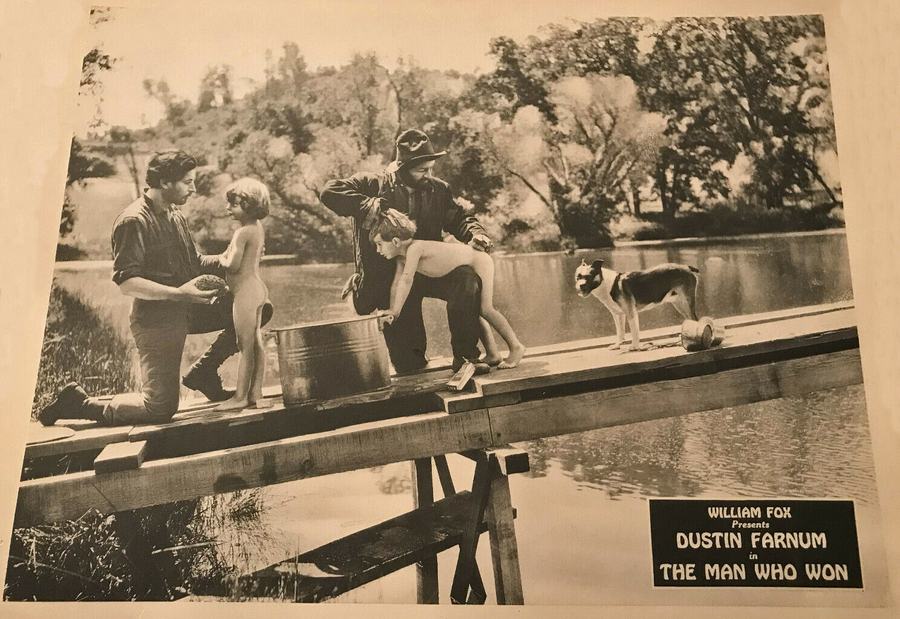
Gambler Wild Bill, promises to protect the children of Scipio, an unlucky miner who sets out to find "Lord" James, a bandit who stole Jessie, his wife. Toby, Sunny, and Sandy, three gambler friends of Bill's, help him take care of the children. To give Scipio a chance to get Jessie away from James, Bill drives the stage filled with gold to the bank in town, counting upon James and his gang to follow him. James's gang holds up the stage, and Bill shoots them all. Scipio returns home with his repentant wife, but Bill is shot and dies when he reaches the bank. Scipio finds oil on his land, and he and Jessie look forward to a happy future.
Decades after its release, The Man Who Won remains a vital piece of the cinematic puzzle. Its influence can be seen in countless modern works, solidifying William A. Wellman's status as a master of the craft in United States and beyond.