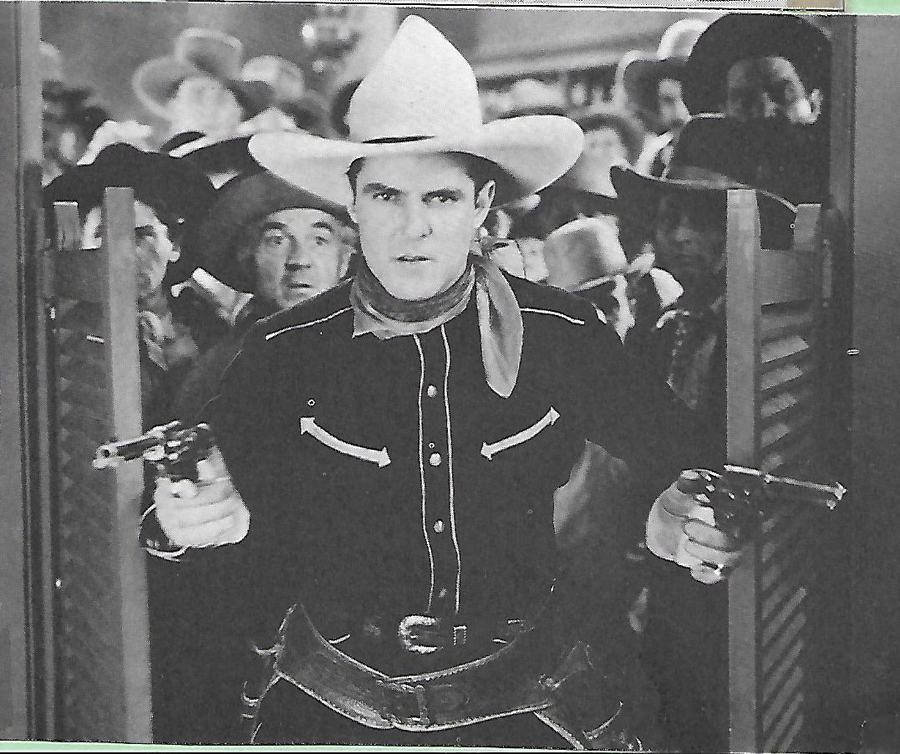
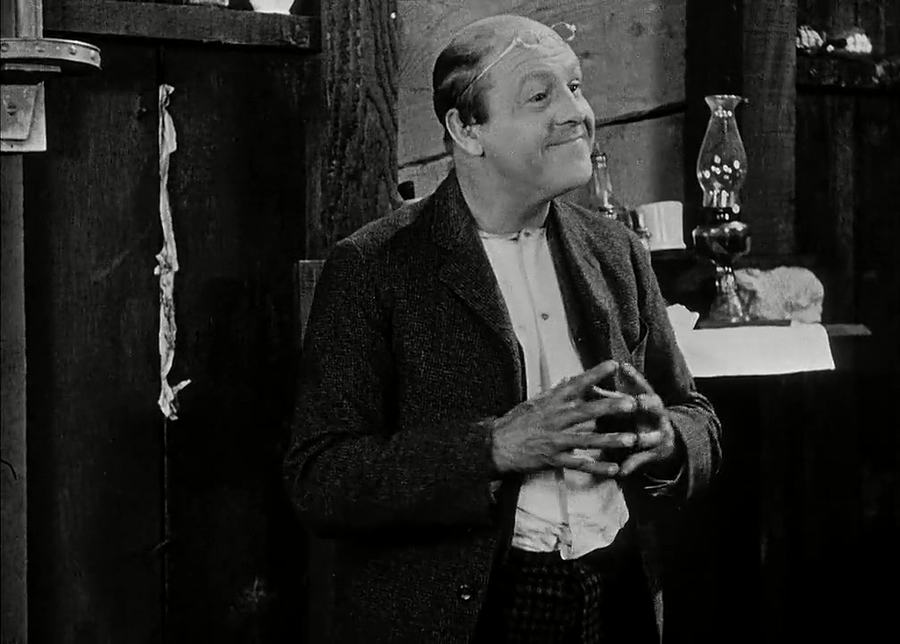
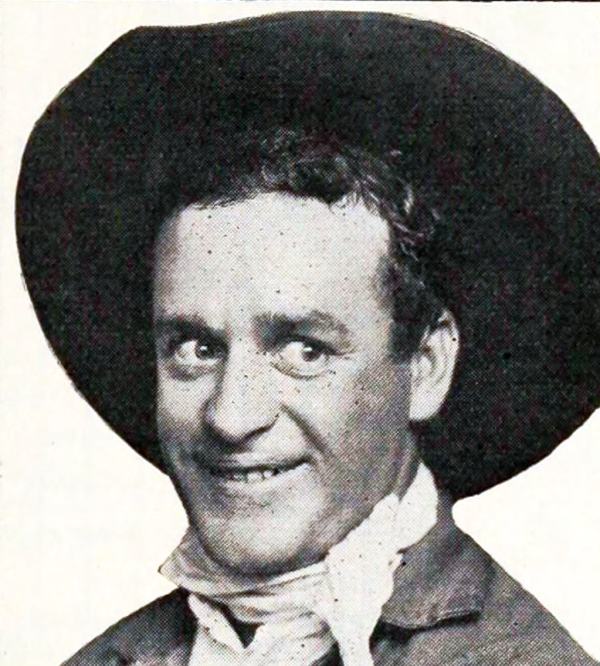
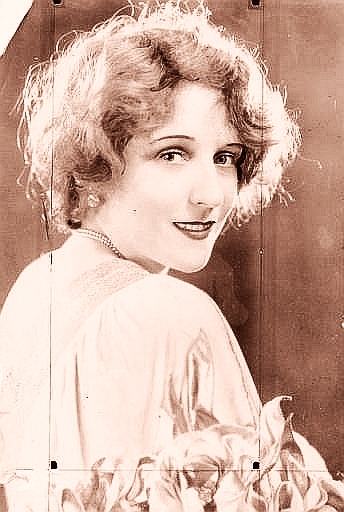
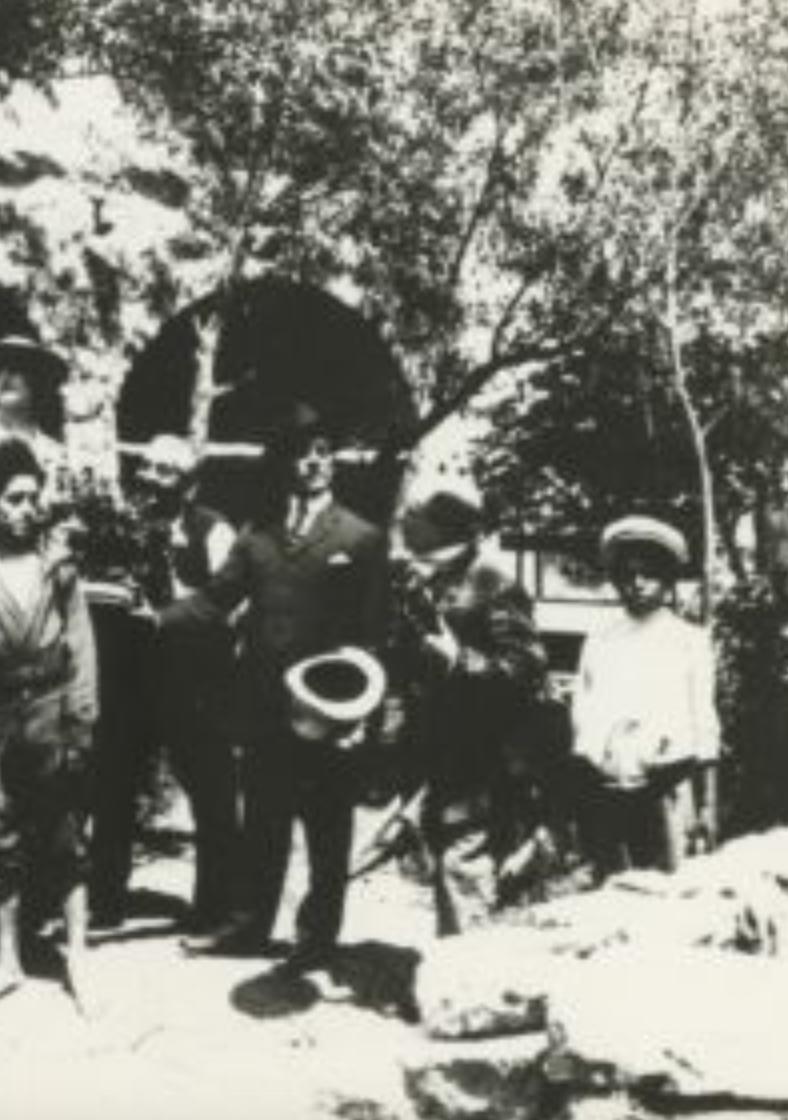
Gambler Wild Bill, promises to protect the children of Scipio, an unlucky miner who sets out to find "Lord" James, a bandit who stole Jessie, his wife. Toby, Sunny, and Sandy, three gambler friends of Bill's, help him take care of the children.
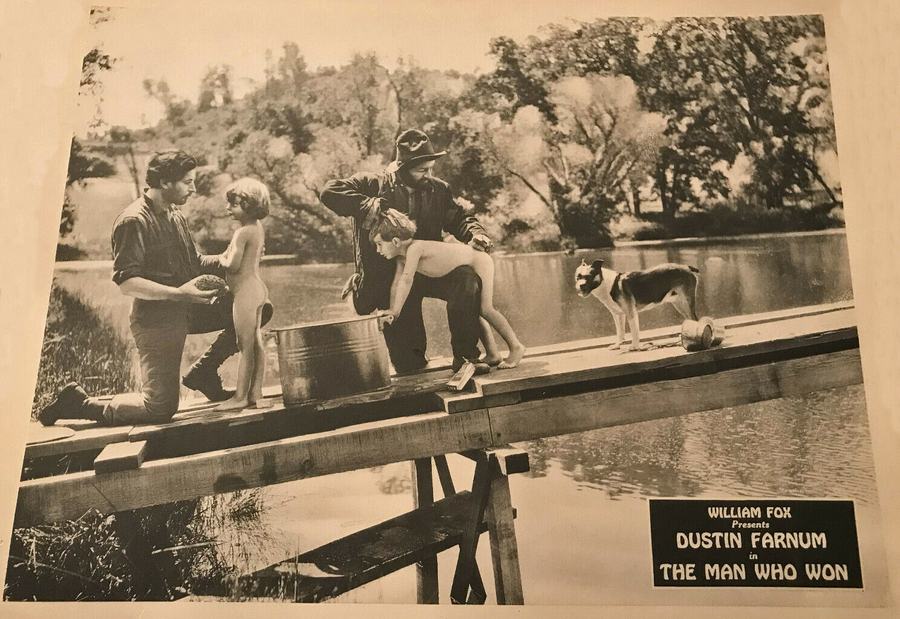
The Alchemy of the Frontier Gambler There is a specific, haunting quality to the 1923 silent era that often escapes modern retrospectives. The Man Who Won, directed with a steady, unblinking eye, stands as a testament to this lost gravitas. Dustin Farnum, an actor whose presence often commanded the frame with a rugg...
Comparing the cinematic DNA and archive impact of two defining moments in cult history.
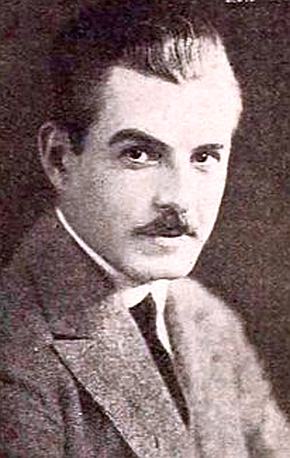
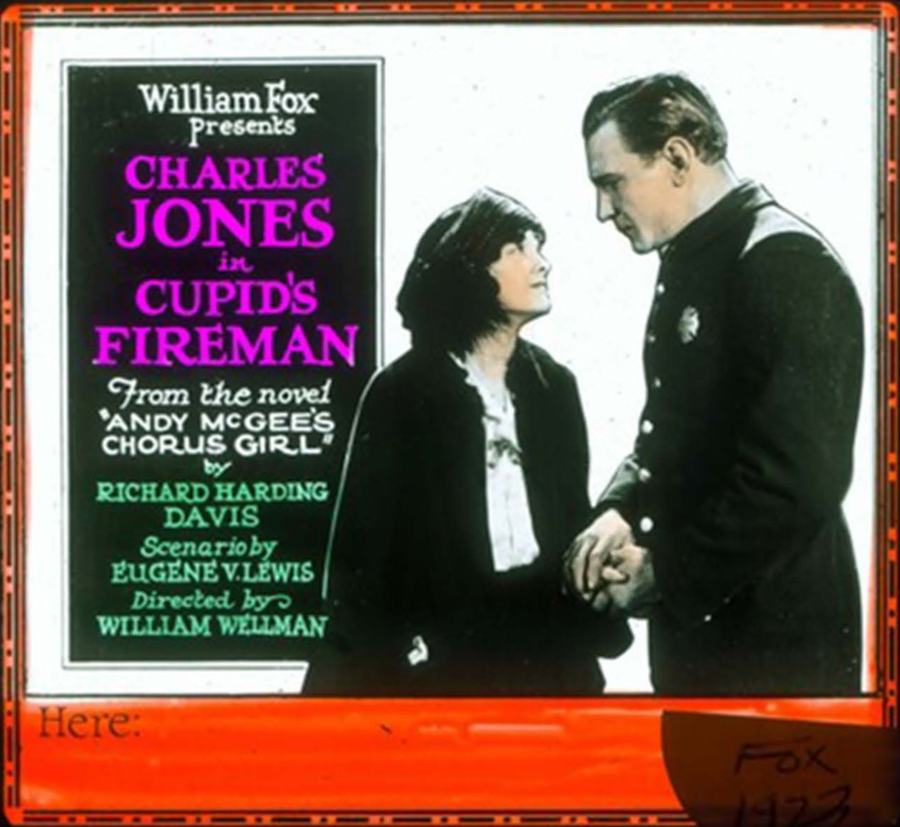
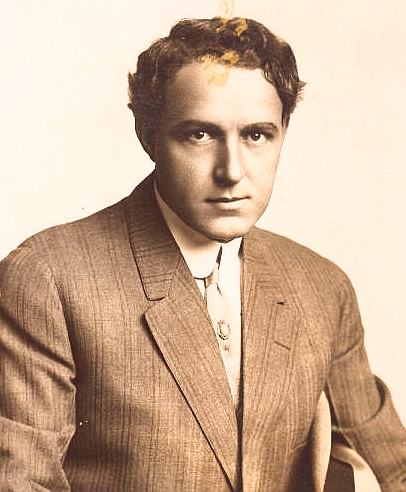
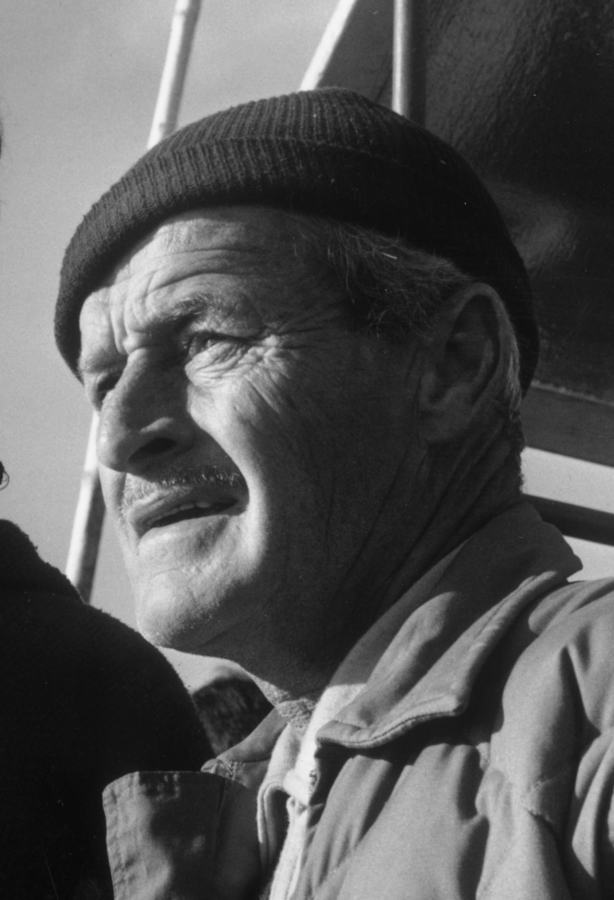
William A. Wellman
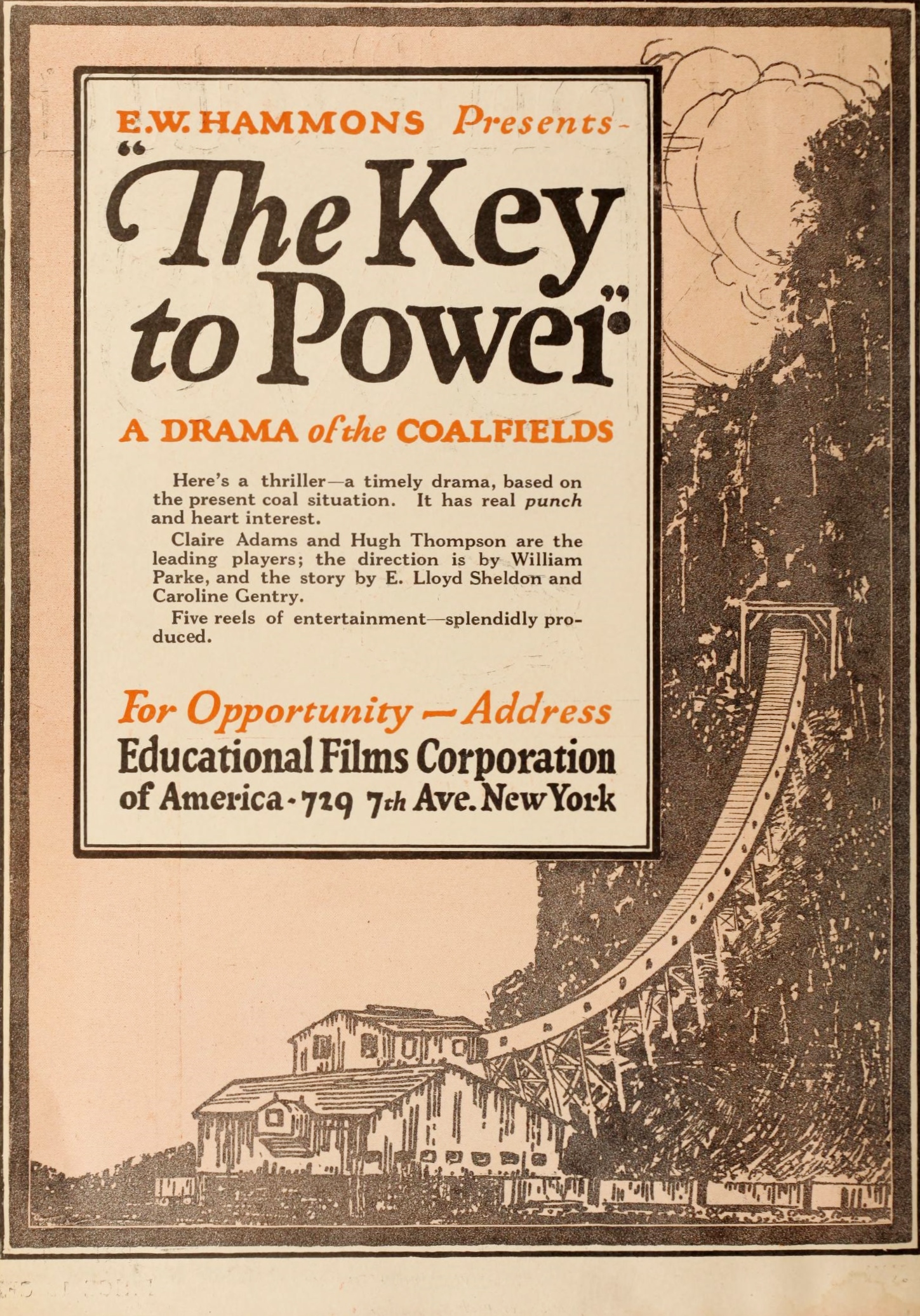
William Parke
Community
Log in to comment.
" The Alchemy of the Frontier Gambler There is a specific, haunting quality to the 1923 silent era that often escapes modern retrospectives. The Man Who Won, directed with a steady, unblinking eye, stands as a testament to this lost gravitas. Dustin Farnum, an actor whose presence often commanded the frame with a rugged, almost statuesque stillness, portrays Wild Bill not merely as a card-player, but as a secular saint of the sagebrush. Unlike the more whimsical depictions of surrogate fatherho..."
Ewart Adamson, Ridgwell Cullum
United States
Deep dive into the cult classic
Discover similar cinematic experiences
A Directorial Spotlight on William A. Wellman