
DbcultAccessing Vault...
Director's Spotlight
Senior Film Conservator
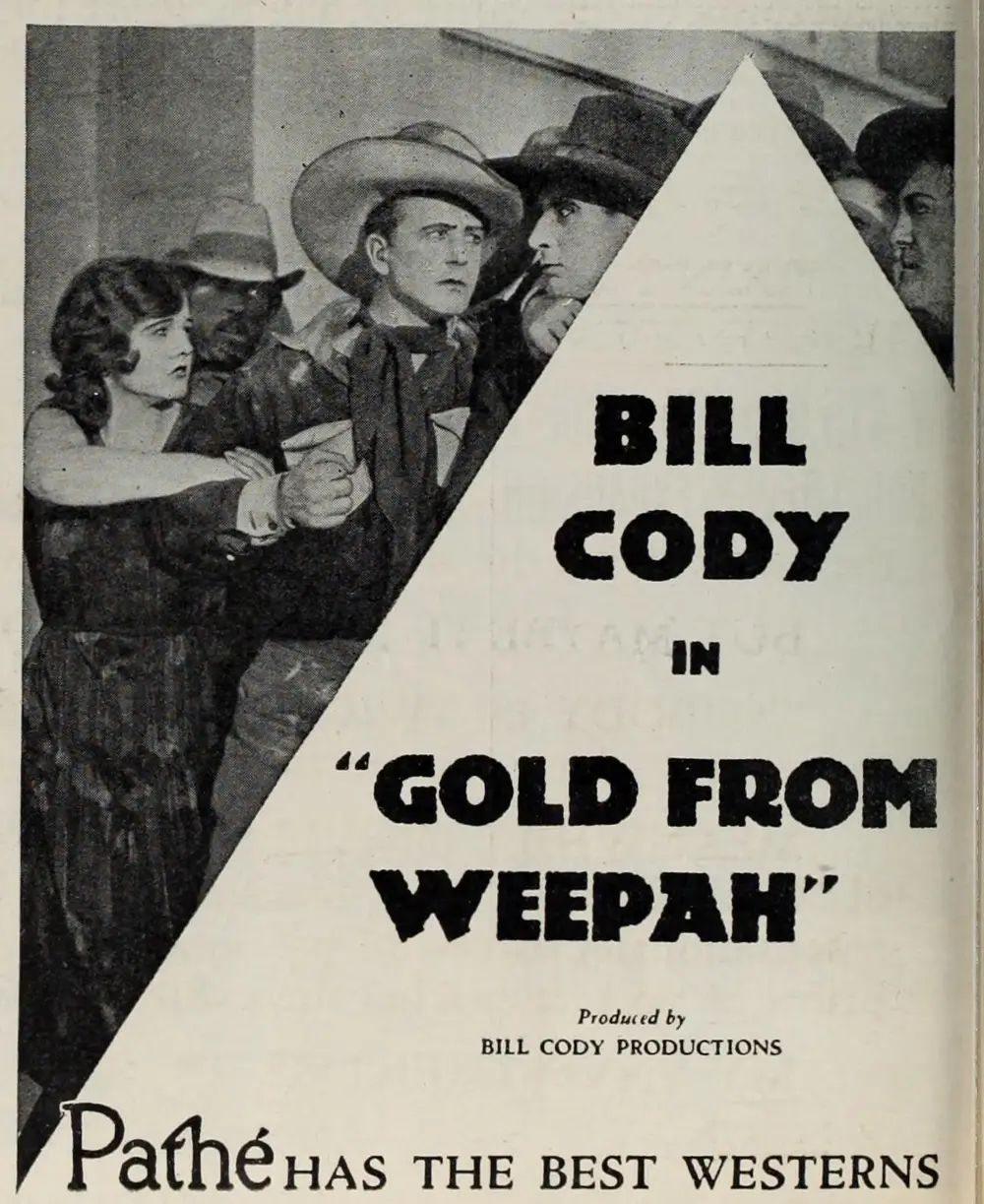
Director's Spotlight: United States
A Deep Dive into the 1927 Vision of William Bertram
As we revisit the 1927 masterpiece Gold from Weepah, we are struck by the meticulous attention to detail that William Bertram applied to every frame. Anchored by a narrative that is both personal and universal, it bridges the gap between traditional Western and contemporary vision.
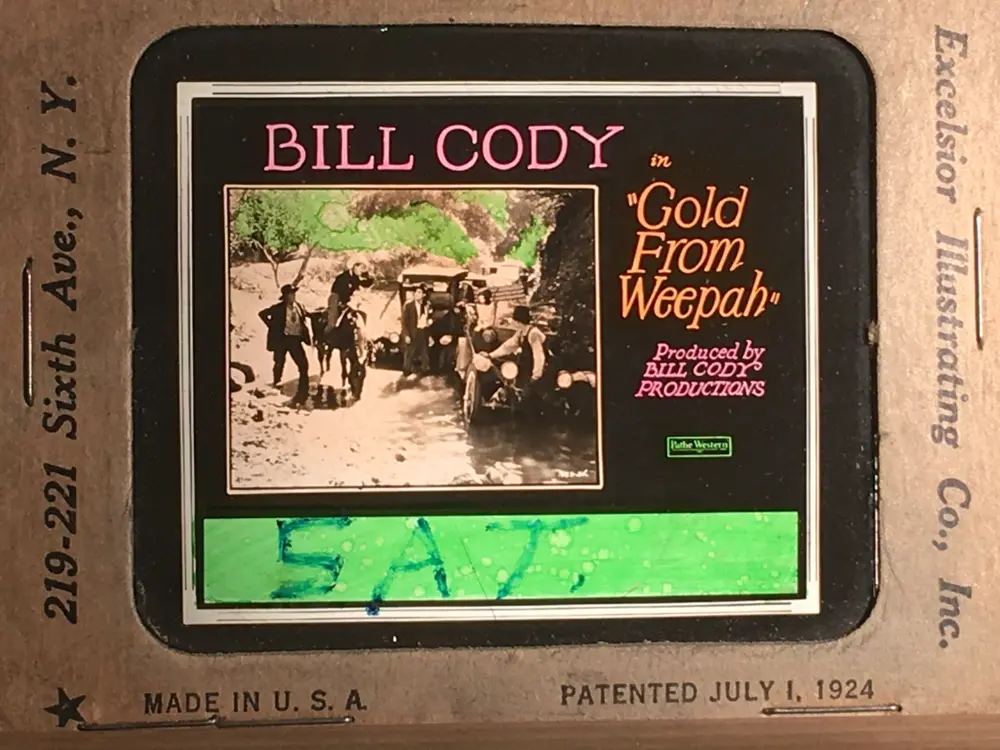
In Gold from Weepah, William Bertram pushes the boundaries of conventional narrative. The film's unique approach to its subject matter has sparked endless debates and interpretations among cinephiles and critics alike.
| Cinematography | Handheld |
| Soundtrack | Diegetic |
| Editing | Elliptical |
| Art Direction | Expressionist |
Visualizing the convergence of William Bertram's style and the core Western narrative.
Jim Blaine and his daughter Elsie meet Bill Carson , while en route to Weepah in search of gold. Elsie, who is much admired by Bill, plays the violin in the dance-hall managed by Steve Morton, who controls a gang of claim jumpers. Elsie's father is robbed of gold dust by one of Morton's men, Bill recovers it and indicates he knows the culprit. The miners organize against Morton's men but lack evidence until they attack Blaine's claim; the culprits set fire to the record office, but Bill saves the claim files. Pearl, a dancer, angered at Bill's attentions to Elsie, kidnaps her. Bill confronts the villains with strong evidence and rescues Elsie, ensuring the triumph of justice and love.
Decades after its release, Gold from Weepah remains a vital piece of the cinematic puzzle. Its influence can be seen in countless modern works, solidifying William Bertram's status as a master of the craft in United States and beyond.