
DbcultAccessing Vault...
Director's Spotlight
Senior Film Conservator
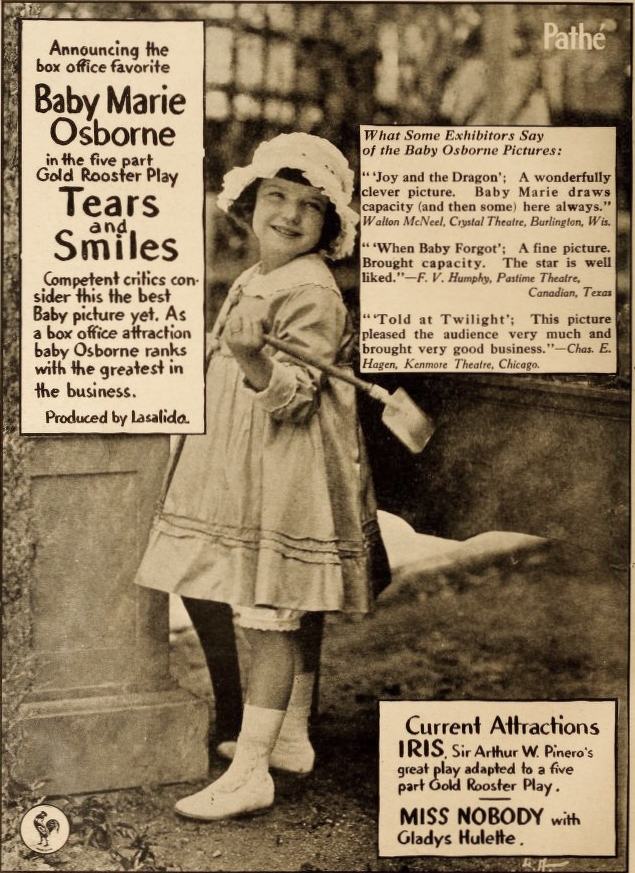
Director's Spotlight: United States
A Deep Dive into the 1917 Vision of William Bertram
When we examine the cinematic landscape of United States, Tears and Smiles emerges as a landmark work of the enduring legacy of William Bertram's artistic contribution to the genre. Through a lens of existential fatalism and cult tropes, it captures a specific kind of cinematic magic that is rarely replicated.
In Tears and Smiles, William Bertram pushes the boundaries of conventional narrative. The film's unique approach to its subject matter has sparked endless debates and interpretations among cinephiles and critics alike.
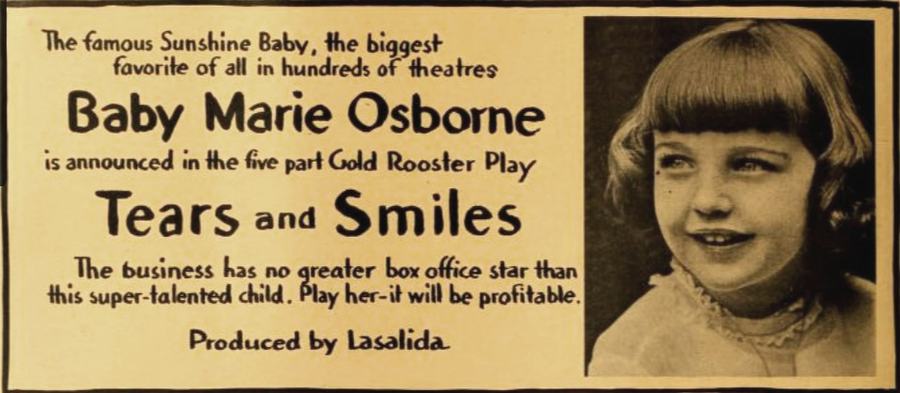
The visual language of Tears and Smiles is defined by its use of shadows and framing, a hallmark of William Bertram's style. By utilizing a 1917-era palette, the film creates an immersive experience that perfectly complements its cult themes.
| Cinematography | Noir-Inspired |
| Soundtrack | Diegetic |
| Editing | Rhythmic |
| Art Direction | Naturalist |
Visualizing the convergence of William Bertram's style and the core cult narrative.
Little Marie, terrified after her drunken father beats her mother, flees from the house. Finding herself alone after her father is arrested for the assault and her mother rushed to the hospital, Marie becomes attached to a little dog that she finds in the park. The maid who is walking the dog is unable to part the two, and so she brings the little girl home to the Greer mansion where Mr. Greer, desperate for the child that his socialite wife is too busy to give him, insists upon adopting Marie. After Marie's mother recovers, she is reluctant to deprive her daughter of the riches she may inherit, and so obtains the position of governess in the Greer household in order to be near her own child. Gradually, a deep attachment develops between Mr. Greer and Marie's mother. After Marie's father is killed during a jailbreak, and Mrs. Greer, suffering from her superficial existence, commits suicide, Greer marries Marie's mother and the reconstituted family begins a new life.
Decades after its release, Tears and Smiles remains a vital piece of the cinematic puzzle. Its influence can be seen in countless modern works, solidifying William Bertram's status as a master of the craft in United States and beyond.