
DbcultAccessing Vault...
Director's Spotlight
Senior Film Conservator
Director's Spotlight: United States
A Deep Dive into the 1917 Vision of William Buckley
Exploring the cult underpinnings of S.O.S. leads us to the stylistic boundaries pushed by William Buckley during the production. Through a lens of existential fatalism and cult tropes, it continues to spark endless debates among critics and cinephiles alike.
In S.O.S., William Buckley pushes the boundaries of conventional narrative. The film's unique approach to its subject matter has sparked endless debates and interpretations among cinephiles and critics alike.
While deeply rooted in United States, S.O.S. has achieved a global reach, influencing directors from various backgrounds. Its ability to translate cult tropes into a universal cinematic language is why it remains a cult staple decades after its 1917 release.
| Cinematography | Deep Focus |
| Soundtrack | Diegetic |
| Editing | Rhythmic |
| Art Direction | Naturalist |
Visualizing the convergence of William Buckley's style and the core cult narrative.
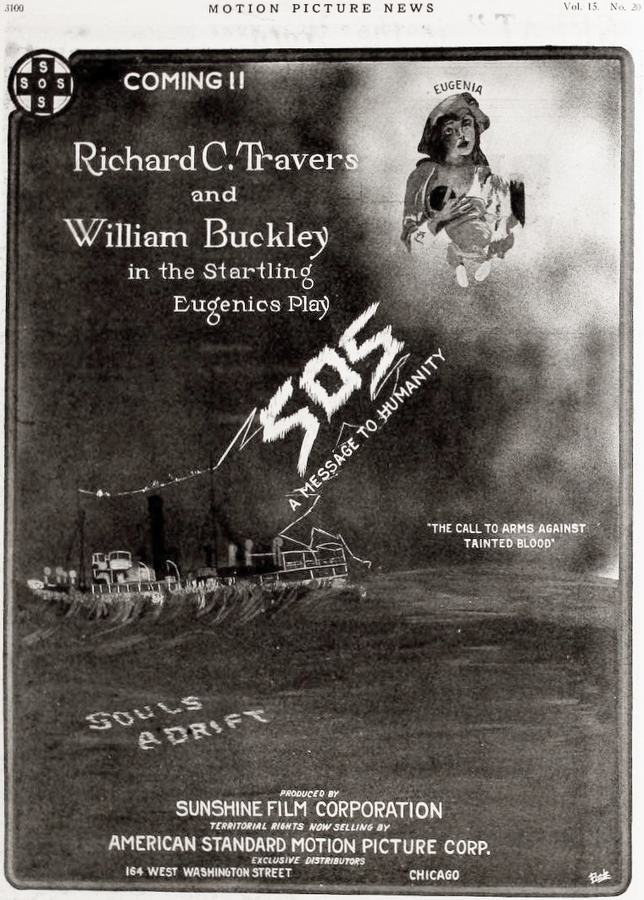
Harold and John Drexel, heirs to the Drexel estate, live alone with their sister Vivian. John is sensible while Harold is reckless. When John proposes to Ruth Dixon, her sister Mary, who had always been in love with him, is heartbroken. Meanwhile Harold becomes entangled with Lorrane Del Rica, a woman of few scruples who, with her lover, Freddie Brooks, is in the racket of blackmailing the sons of the rich. Through Lorrane, Harold contracts a venereal disease. On the eve of their marriage, Ruth induces John to take her to a bar where she meets Harold. Becoming enamored of each other, Ruth and Harold marry after she breaks her engagement to John. She soon realizes her mistake, however, when their child is born a hopeless cripple. Harold, placing the blame on Lorrane and Brooks, rushes to their home and slays them, committing suicide after the deed is accomplished. Ruth also attempts suicide, but is prevented from doing so. All does not end darkly, however, as John finally realizes his love for Mary and the two are wed.
Decades after its release, S.O.S. remains a vital piece of the cinematic puzzle. Its influence can be seen in countless modern works, solidifying William Buckley's status as a master of the craft in United States and beyond.