
DbcultAccessing Vault...
Director's Spotlight
Senior Film Conservator
Director's Spotlight: United States
A Deep Dive into the 1925 Vision of William C. de Mille
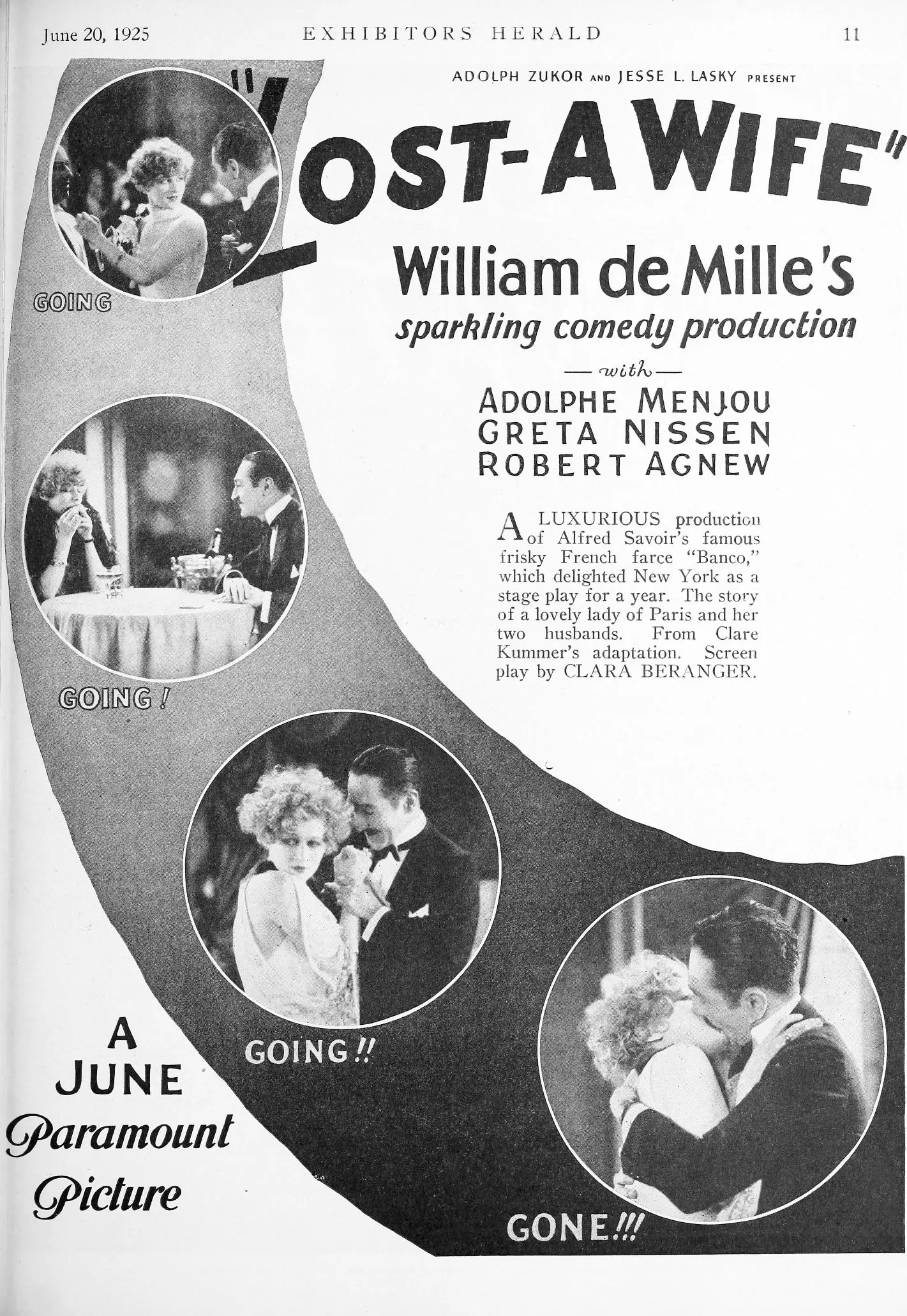
Few works in United States cinema carry the same weight as Lost: A Wife, especially regarding the technical innovation that William C. de Mille introduced to the Comedy format. Subverting the expectations of the typical 1925 audience, it bridges the gap between traditional Comedy and contemporary vision.
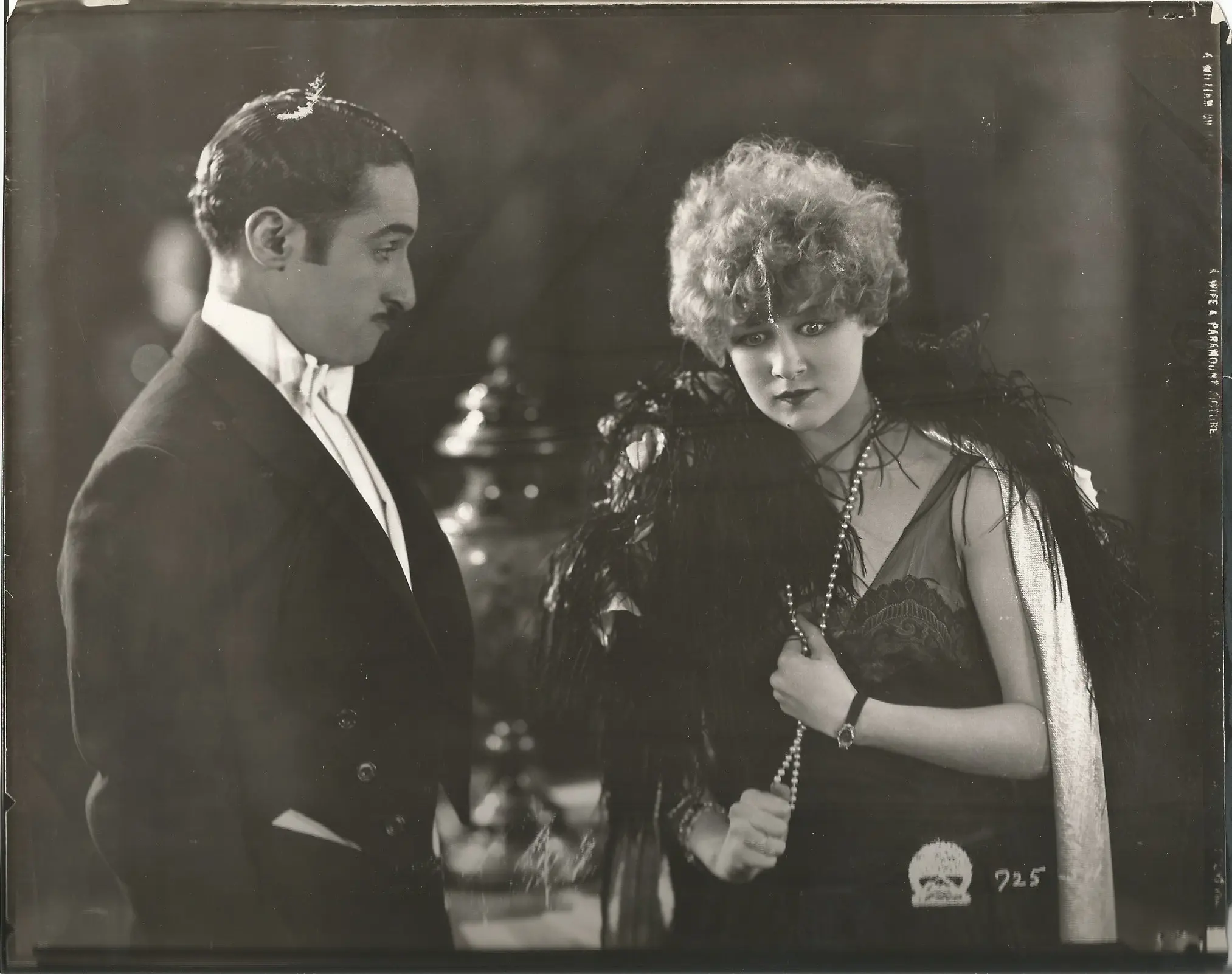
In Lost: A Wife, William C. de Mille pushes the boundaries of conventional narrative. The film's unique approach to its subject matter has sparked endless debates and interpretations among cinephiles and critics alike.
| Cinematography | High-Contrast |
| Soundtrack | Experimental |
| Editing | Elliptical |
| Art Direction | Expressionist |
Visualizing the convergence of William C. de Mille's style and the core Comedy narrative.
Compulsive gambler Tony Hamilton bets his friend Dick $5,000 that he will marry Charlotte Randolph, despite the fact that she is a total stranger and is engaged to the Duke de Val. Tony wins his bet. During the honeymoon, Tony obtains Charlotte's permission to spend 10 minutes at roulette, and, after he has been gambling non-stop for 3 days, she returns to her mother and obtains a divorce. A year passes. Tony learns that Charlotte is about to marry a wealthy baron; he returns to France but is too late to prevent the marriage. Tony stages an automobile accident in front of Charlotte's mansion, and her servants carry him into the house. He hides in her room and gives her 5 minutes to decide whether to elope with him or face a public scandal. She insists that he prefers gambling to love, but he convinces her otherwise; and they take leave of the baronial mansion, once again to face the divorce court and the alter.
Decades after its release, Lost: A Wife remains a vital piece of the cinematic puzzle. Its influence can be seen in countless modern works, solidifying William C. de Mille's status as a master of the craft in United States and beyond.