
DbcultAccessing Vault...
Director's Spotlight
Senior Film Conservator
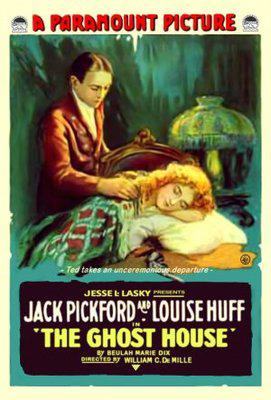
Director's Spotlight: United States
A Deep Dive into the 1917 Vision of William C. de Mille
Few works in United States cinema carry the same weight as The Ghost House, especially regarding the technical innovation that William C. de Mille introduced to the cult format. Subverting the expectations of the typical 1917 audience, it bridges the gap between traditional cult and contemporary vision.
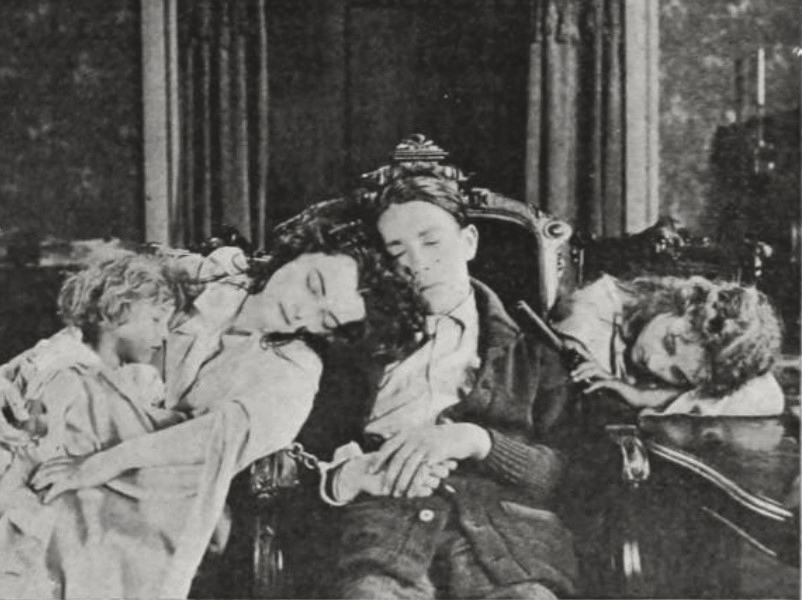
In The Ghost House, William C. de Mille pushes the boundaries of conventional narrative. The film's unique approach to its subject matter has sparked endless debates and interpretations among cinephiles and critics alike.
| Cinematography | High-Contrast |
| Soundtrack | Orchestral |
| Editing | Invisible |
| Art Direction | Kitsch |
Visualizing the convergence of William C. de Mille's style and the core cult narrative.
The old Atwell home is said to be haunted, and Jeremy Foster, the gardener--who is actually the head of a band of thieves that use the house for a hideout--does his best to keep the superstition alive. Despite the rumors, impoverished sisters Lois and Alice Atwell decide to move into the empty family home. They take possession the same night that Ted Rawson is ordered to explore the place as an initiation rite by his fraternity. That same night, Spud Foster, a member of his uncle's gang, hides there with his stolen loot. In the middle of the night, Lois apprehends Ted and takes him captive, believing that he's a burglar. The noise awakens Spud who, mistaking Lois for a ghost, flees the house. After much confusion, Lois' fears about Ted's character are allayed when he helps fight off the thieves; relieved, she confesses her love to the fraternity man.
Decades after its release, The Ghost House remains a vital piece of the cinematic puzzle. Its influence can be seen in countless modern works, solidifying William C. de Mille's status as a master of the craft in United States and beyond.