
DbcultAccessing Vault...
Director's Spotlight
Senior Film Conservator
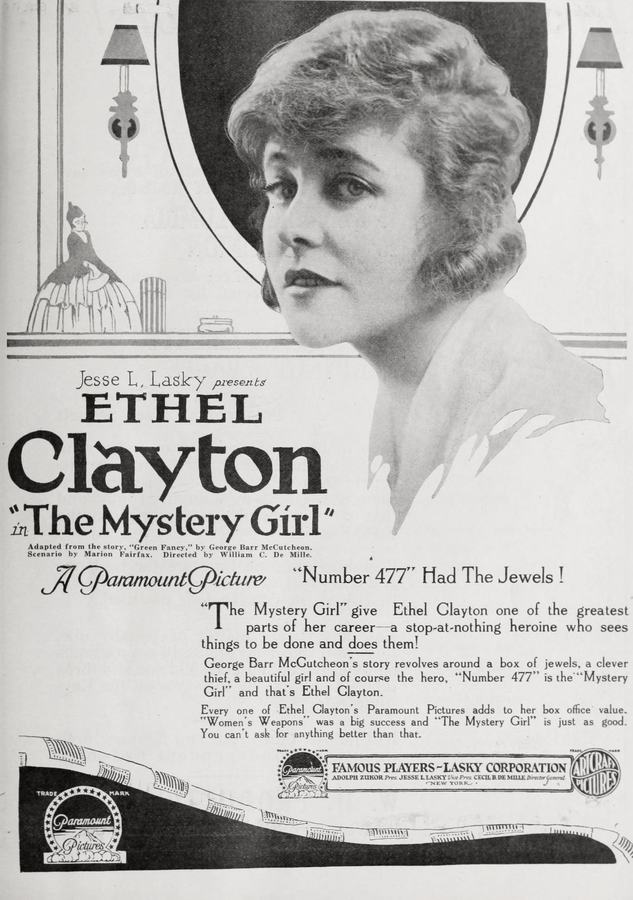
Director's Spotlight: United States
A Deep Dive into the 1918 Vision of William C. de Mille
Under the meticulous guidance of William C. de Mille, The Mystery Girl became the cultural zeitgeist captured so perfectly by William C. de Mille in 1918. Driven by an uncompromising commitment to cult excellence, it remains a vital reference point for anyone studying the evolution of William C. de Mille.
In The Mystery Girl, William C. de Mille pushes the boundaries of conventional narrative. The film's unique approach to its subject matter has sparked endless debates and interpretations among cinephiles and critics alike.
To fully appreciate The Mystery Girl, one must consider the cinematic climate of 1918. During this period, United States was undergoing significant artistic shifts, and William C. de Mille was at the forefront of this cult movement, often challenging established norms.
| Cinematography | High-Contrast |
| Soundtrack | Minimalist |
| Editing | Slow-Burn |
| Art Direction | Brutalist |
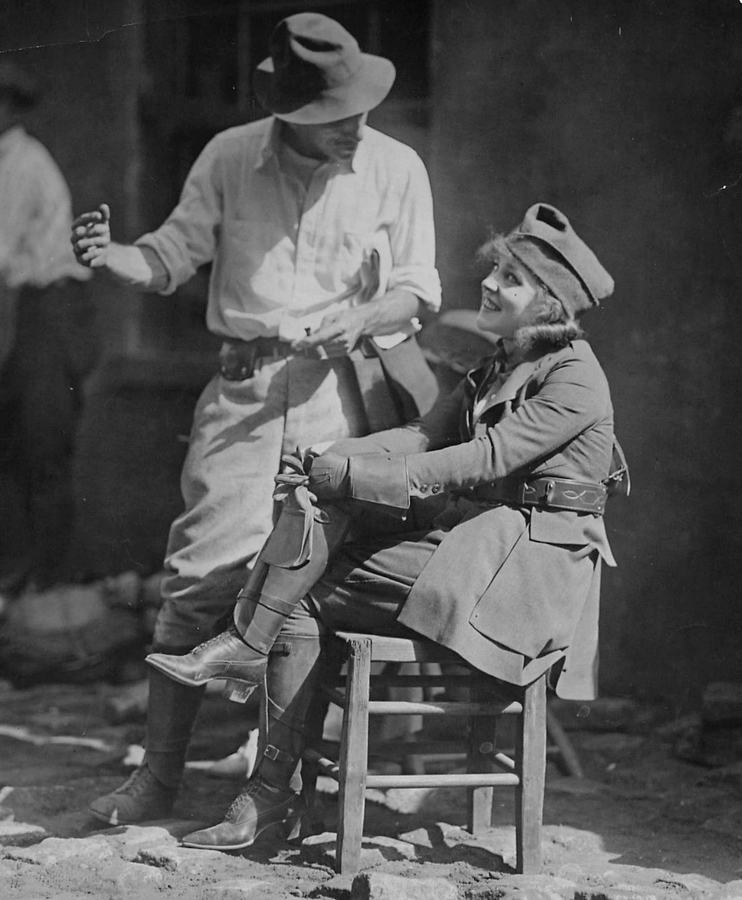
Visualizing the convergence of William C. de Mille's style and the core cult narrative.
Prince Sebastian of Lurania is forced to go into hiding when German forces invade his country. His niece, Countess Therese, is an ambulance driver with the French army, and one day she hears from her uncle, who requests that she meet him in a small town in Maine and bring the crown jewels with her. Unfortunately, a jewel thief finds out about the meeting and makes a deal with the Luranian pretender to the throne: he will steal the jewels and he can keep them if he kidnaps and turns over the Countess to the usurper.
Decades after its release, The Mystery Girl remains a vital piece of the cinematic puzzle. Its influence can be seen in countless modern works, solidifying William C. de Mille's status as a master of the craft in United States and beyond.