
DbcultAccessing Vault...
Director's Spotlight
Senior Film Conservator
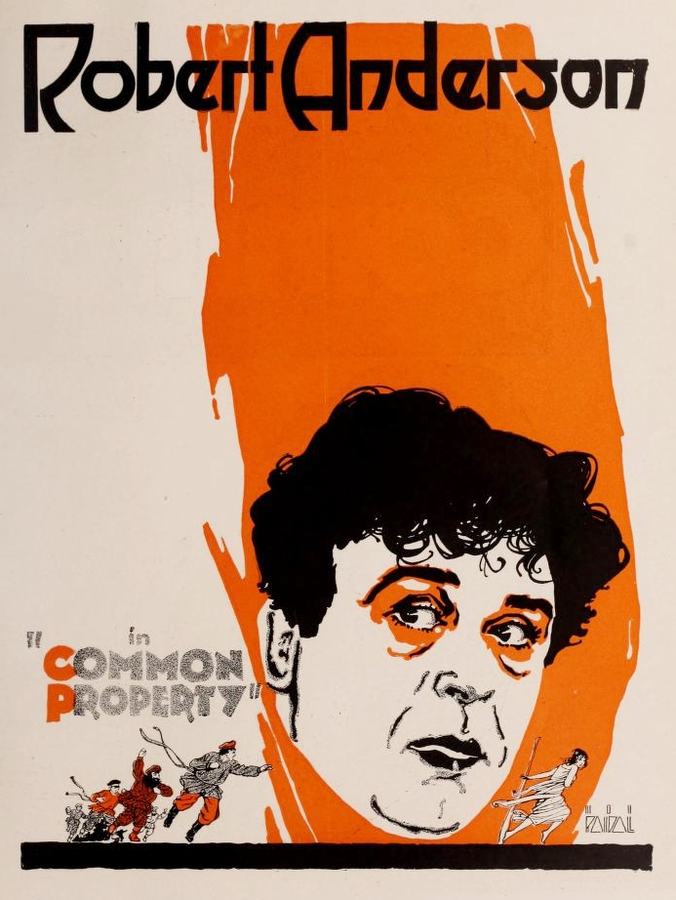
Director's Spotlight: United States
A Deep Dive into the 1919 Vision of William C. Dowlan
The evocative power of Common Property stems from the unique collaboration between the bold experimentation that has become synonymous with William C. Dowlan. Framed by the hauntingly beautiful landscapes of the production, it echoes the profound changes occurring in United States during that era.
In Common Property, William C. Dowlan pushes the boundaries of conventional narrative. The film's unique approach to its subject matter has sparked endless debates and interpretations among cinephiles and critics alike.
| Cinematography | Static |
| Soundtrack | Synth-Heavy |
| Editing | Disjunctive |
| Art Direction | Baroque |
Visualizing the convergence of William C. Dowlan's style and the core cult narrative.
Russian Paval Pavlovitch is married to an American woman when a decree is handed down that nationalizes women between the ages of seventeen and thirty-five as common property of the state for the use of its citizens. Passports are refused for Pavlovitch's family. His old servant takes out a certificate claiming Pavlovitch's wife Anna, and the son of the village priest claims Pavlovitch's daughter. Matters appear bleak for the Pavlovitch family, but a troop of American cavalry arrives and battles the Russian mob in the streets of Saratov. The edict is withdrawn and the Pavlovitch family is happy again.
Decades after its release, Common Property remains a vital piece of the cinematic puzzle. Its influence can be seen in countless modern works, solidifying William C. Dowlan's status as a master of the craft in United States and beyond.