
DbcultAccessing Vault...
Director's Spotlight
Senior Film Conservator
Director's Spotlight: United States
A Deep Dive into the 1919 Vision of William C. Dowlan
In the storied career of William C. Dowlan, Loot stands as a the provocative questions that William C. Dowlan poses to the United States audience. Elevating the source material through William C. Dowlan's unique vision, it persists as a haunting reminder of our own cinematic history.
In Loot, William C. Dowlan pushes the boundaries of conventional narrative. The film's unique approach to its subject matter has sparked endless debates and interpretations among cinephiles and critics alike.
The visual language of Loot is defined by its use of shadows and framing, a hallmark of William C. Dowlan's style. By utilizing a 1919-era palette, the film creates an immersive experience that perfectly complements its cult themes.
| Cinematography | High-Contrast |
| Soundtrack | Minimalist |
| Editing | Disjunctive |
| Art Direction | Baroque |
Visualizing the convergence of William C. Dowlan's style and the core cult narrative.
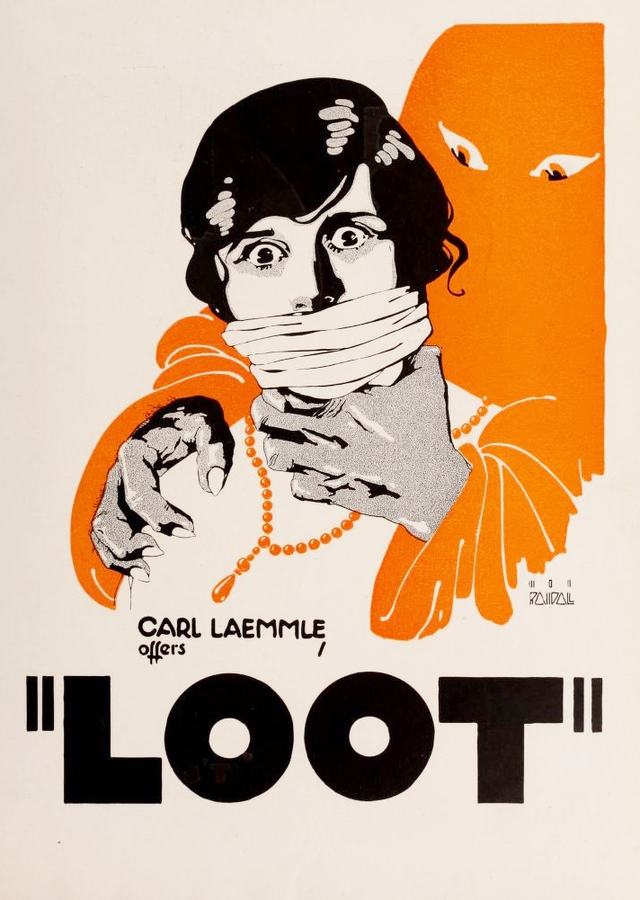
Wade Hildreth is sent to New York from London to receive a diamond necklace for Lady Gwendolyn from the jeweler Arabin. A gang of crooks led by Pete Fielding, known as "The Shadow," plans to keep Hildreth from going to Arabin's until they have robbed the store. Actress Morn Light, whom the Shadow loves, agrees to entice Hildreth to her apartment to be imprisoned. When she warns Hildreth because she wants to avenge her father's death, which was caused by the Shadow, the Shadow overhears and captures them both. With large numbers of shoppers in the store, the gang takes the necklace, other valuables, and the customers' possessions. Discredited Detective Tyron follows the gang's getaway boat and arrives with the Marines in time to stop the Shadow, against whom his gang is mutinying, from attacking Morn Light. The gang is captured, the Shadow jumps overboard, and Hildreth returns to England with the necklace and Morn Light, now his bride.
Decades after its release, Loot remains a vital piece of the cinematic puzzle. Its influence can be seen in countless modern works, solidifying William C. Dowlan's status as a master of the craft in United States and beyond.