
DbcultAccessing Vault...
Director's Spotlight
Senior Film Conservator
Director's Spotlight: United States
A Deep Dive into the 1920 Vision of William C. Dowlan
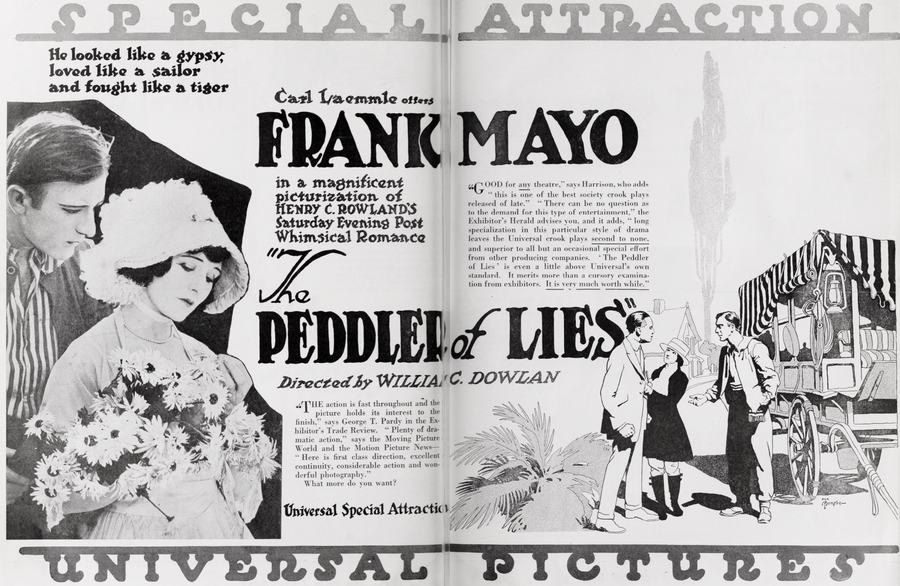
In the storied career of William C. Dowlan, The Peddler of Lies stands as a the atmospheric immersion that William C. Dowlan achieves throughout The Peddler of Lies. Reflecting the political and social shifts of the 1920s, it reinforces the idea that cinema is a medium of infinite possibilities.
In The Peddler of Lies, William C. Dowlan pushes the boundaries of conventional narrative. The film's unique approach to its subject matter has sparked endless debates and interpretations among cinephiles and critics alike.
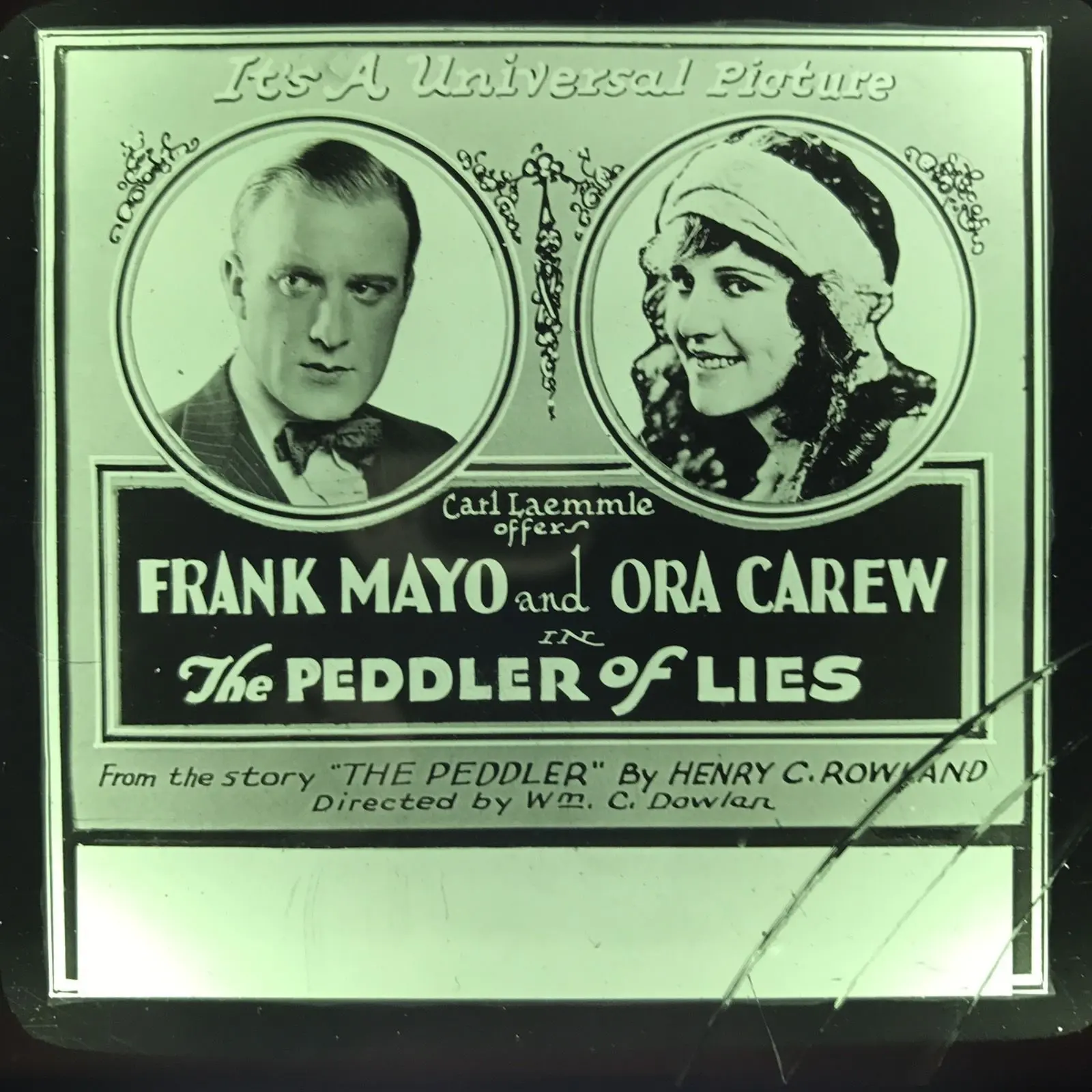
The visual language of The Peddler of Lies is defined by its use of shadows and framing, a hallmark of William C. Dowlan's style. By utilizing a 1920-era palette, the film creates an immersive experience that perfectly complements its Mystery themes.
| Cinematography | Handheld |
| Soundtrack | Synth-Heavy |
| Editing | Rhythmic |
| Art Direction | Naturalist |
Visualizing the convergence of William C. Dowlan's style and the core Mystery narrative.
At a party thrown at the Metcalf estate, the Marquise D'Irancy's Sultana diamond disappears when the lights go out during a power failure. Suspected of the crime is William Kirkland, the wastrel son of the wealthy Kirkland family, but William's sister Diana comes to his defense. Aiding her in the investigation is Clamp, a wandering peddler. After several misadventures, Clamp reveals that he is a secret service agent on the trail of the international criminals, the de Vallignacs, who are summering at the resort. After proving that the de Vallignacs have stolen the diamond, Clamp arrests his prey, clears William and marries Diana.
Decades after its release, The Peddler of Lies remains a vital piece of the cinematic puzzle. Its influence can be seen in countless modern works, solidifying William C. Dowlan's status as a master of the craft in United States and beyond.