
DbcultAccessing Vault...
Director's Spotlight
Senior Film Conservator
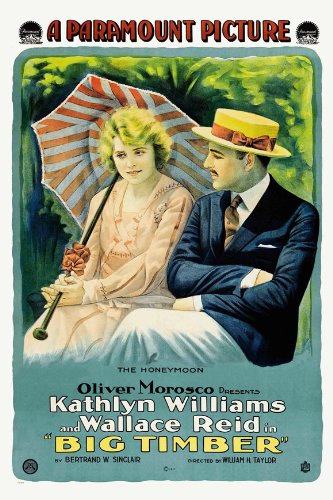
Director's Spotlight: United States
A Deep Dive into the 1917 Vision of William Desmond Taylor
The evocative power of Big Timber stems from the unique collaboration between the bold experimentation that has become synonymous with William Desmond Taylor. Framed by the hauntingly beautiful landscapes of the production, it echoes the profound changes occurring in United States during that era.
In Big Timber, William Desmond Taylor pushes the boundaries of conventional narrative. The film's unique approach to its subject matter has sparked endless debates and interpretations among cinephiles and critics alike.
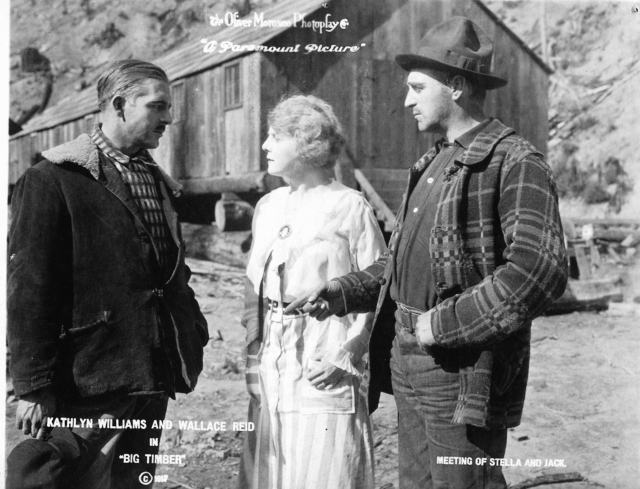
The visual language of Big Timber is defined by its use of shadows and framing, a hallmark of William Desmond Taylor's style. By utilizing a 1917-era palette, the film creates an immersive experience that perfectly complements its cult themes.
| Cinematography | Noir-Inspired |
| Soundtrack | Minimalist |
| Editing | Disjunctive |
| Art Direction | Baroque |
Visualizing the convergence of William Desmond Taylor's style and the core cult narrative.
Stella Benton, a young society girl who has lost her beautiful voice through the death of her father, goes to live with her brother Charles, in the lumber camp. Charles Benton is having a struggle to make both ends meet, and when his cook quits, he makes his sister do the work for the hundred men in the lumber camp. Jack Fyfe, a neighboring lumber man, meets Stella and gradually falls in love with her, but love is not reciprocated. Seeing that she is being overworked, Fyfe offers to marry her, in spite of the fact that she does not love him. A child is born of this loveless marriage, and the couple are reasonably happy, until Walter Monahan, a wealthy lumberman, begins to make love to Stella. She gradually becomes tired of her husband, and when the child dies, decides to leave him. Her voice returns, and she makes a substantial success as a concert singer. Monahan, who has professed love for her, becomes indifferent, but she will not return to Fyfe, in spite of his pleadings. Monahan, jealous of Fyfe's success, sets fire to his holdings and is caught in the act. Friends telephone this fact to Stella, and she immediately returns to the lumber camp, and there, at their home she finds Jack, heartbroken, as his holdings are on fire and there is nothing but a heavy rain which could save them. She comes to him and offers to use her own money to retrieve his lost fortune, and as she goes into his arms, the heavy downpour of rain comes and they are safe.
Decades after its release, Big Timber remains a vital piece of the cinematic puzzle. Its influence can be seen in countless modern works, solidifying William Desmond Taylor's status as a master of the craft in United States and beyond.