
DbcultAccessing Vault...
Director's Spotlight
Senior Film Conservator
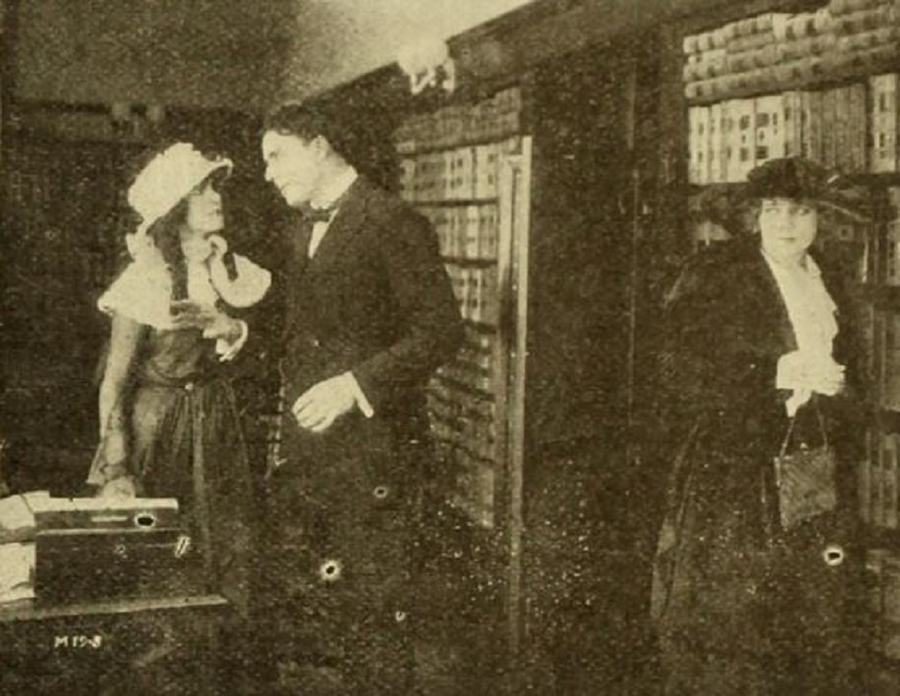
Director's Spotlight: United States
A Deep Dive into the 1917 Vision of William Desmond Taylor
Witnessing the stylistic transformation of cult through Happiness of Three Women reveals the provocative questions that William Desmond Taylor poses to the United States audience. Exploring the nuances of the human condition with cult flair, it showcases the power of cult as a tool for social commentary.
In Happiness of Three Women, William Desmond Taylor pushes the boundaries of conventional narrative. The film's unique approach to its subject matter has sparked endless debates and interpretations among cinephiles and critics alike.
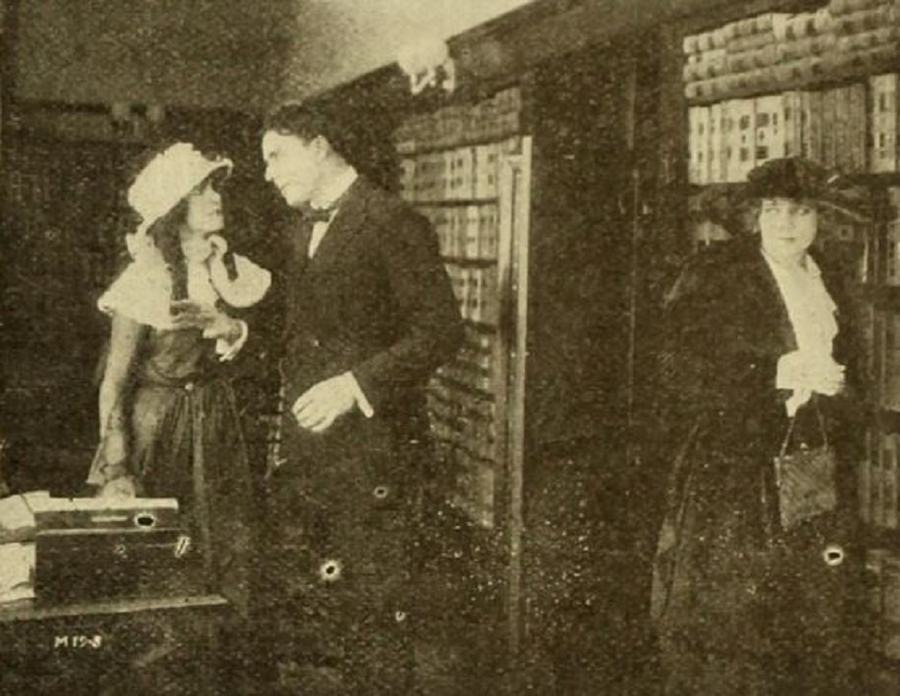
To fully appreciate Happiness of Three Women, one must consider the cinematic climate of 1917. During this period, United States was undergoing significant artistic shifts, and William Desmond Taylor was at the forefront of this cult movement, often challenging established norms.
| Cinematography | Static |
| Soundtrack | Synth-Heavy |
| Editing | Disjunctive |
| Art Direction | Baroque |
Visualizing the convergence of William Desmond Taylor's style and the core cult narrative.
Constance, the beautiful wife of Mark Barr, is in fear of her husband's jealousy. Among the guests at their reception are Myrtle Gale and her fiancé, Billy Craig, to whom Constance was at one time engaged. Mark misinterprets a friendly chat between the two and forbids Billy to visit his house. Myrtle goes to the city, and is to return on an early evening train, on which Constance also expects her husband. Both are delayed and Constance persuades Billy, who has come to meet Myrtle, to take her for a ride in his new car. They lose their way and are out nearly all night. Constance is beset with fear at her husband's anger. Billy takes Constance to an inn for a bite to eat and they discover it is a notorious roadhouse. On their way out of the grounds, lightning strikes a tree which falls in the road as another automobile, driven by Fletcher, cashier of the bank, approaches. Monck, watchman at the bank, learning that Fletcher has gone out, breaks open the safe and takes a large sum of money. As an alibi he takes a watch charm which belongs to Fletcher, to the police, and tells them Fletcher overpowered him and robbed the bank. Fletcher is placed in jail and sends for Billy. Mrs. Fletcher also seeks his aid. Constance goes to Billy's office and hides behind a screen as her husband enters. She sneezes but Billy will not allow Mark to look behind the screen. Constance pictures the difference in size between the watchman and the cashier. Billy places his stenographer behind the screen, sends for Monck and secures his confession. Mark comes in and finds the stenographer behind the screen and Constance's happiness is assured. Fletcher is released and Mrs. Fletcher is made happy, while Billy goes to his sweetheart who is doubly happy in the knowledge that Billy has caused justice to be done.
Decades after its release, Happiness of Three Women remains a vital piece of the cinematic puzzle. Its influence can be seen in countless modern works, solidifying William Desmond Taylor's status as a master of the craft in United States and beyond.