
DbcultAccessing Vault...
Director's Spotlight
Senior Film Conservator
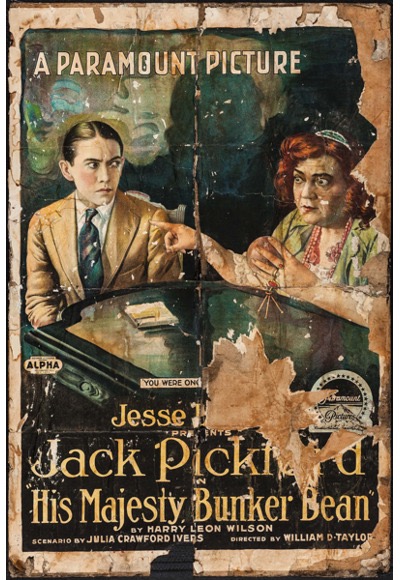
Director's Spotlight: United States
A Deep Dive into the 1918 Vision of William Desmond Taylor
As we revisit the 1918 masterpiece His Majesty, Bunker Bean, we are struck by the atmospheric immersion that William Desmond Taylor achieves throughout His Majesty, Bunker Bean. Exploring the nuances of the human condition with cult flair, it solidifies William Desmond Taylor's reputation as a master of the craft.
In His Majesty, Bunker Bean, William Desmond Taylor pushes the boundaries of conventional narrative. The film's unique approach to its subject matter has sparked endless debates and interpretations among cinephiles and critics alike.
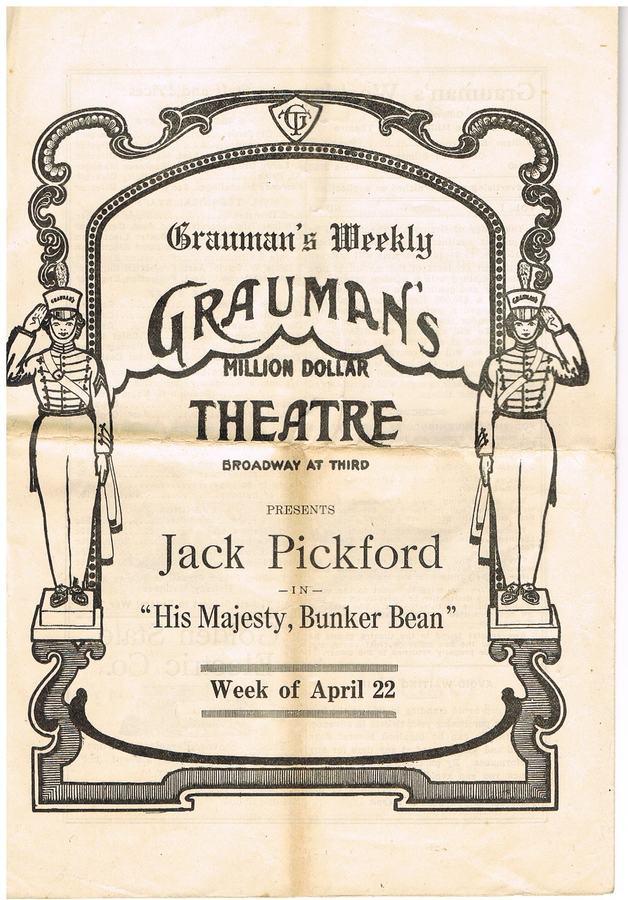
The visual language of His Majesty, Bunker Bean is defined by its use of shadows and framing, a hallmark of William Desmond Taylor's style. By utilizing a 1918-era palette, the film creates an immersive experience that perfectly complements its cult themes.
| Cinematography | Deep Focus |
| Soundtrack | Orchestral |
| Editing | Invisible |
| Art Direction | Kitsch |
Visualizing the convergence of William Desmond Taylor's style and the core cult narrative.
Bashful stenographer Bunker Bean ( Jack Pickford ), works for wealthy businessman Jim Breede by day and by night theosophist Prof. Balthasar, who convinces Bean that he is the reincarnation of Napoleon and, more remotely, of the great Egyptian king Ramses. His courage much bolstered by this revelation, Bean begins to deport himself with unaccustomed dignity and becomes a regular visitor to old Breede's estate, where he successfully courts the boss's daughter ( Louise Huff ), "The Flapper." With his $10,000 inheritance, Bean invests in a financial venture that nets him millions and purchases the alleged mummy of Ramses from the professor. After his marriage to The Flapper, Bean learns that the professor is a charlatan, and realizes that it is the belief in one's own strength of character that leads to success.
Decades after its release, His Majesty, Bunker Bean remains a vital piece of the cinematic puzzle. Its influence can be seen in countless modern works, solidifying William Desmond Taylor's status as a master of the craft in United States and beyond.