
DbcultAccessing Vault...
Director's Spotlight
Senior Film Conservator
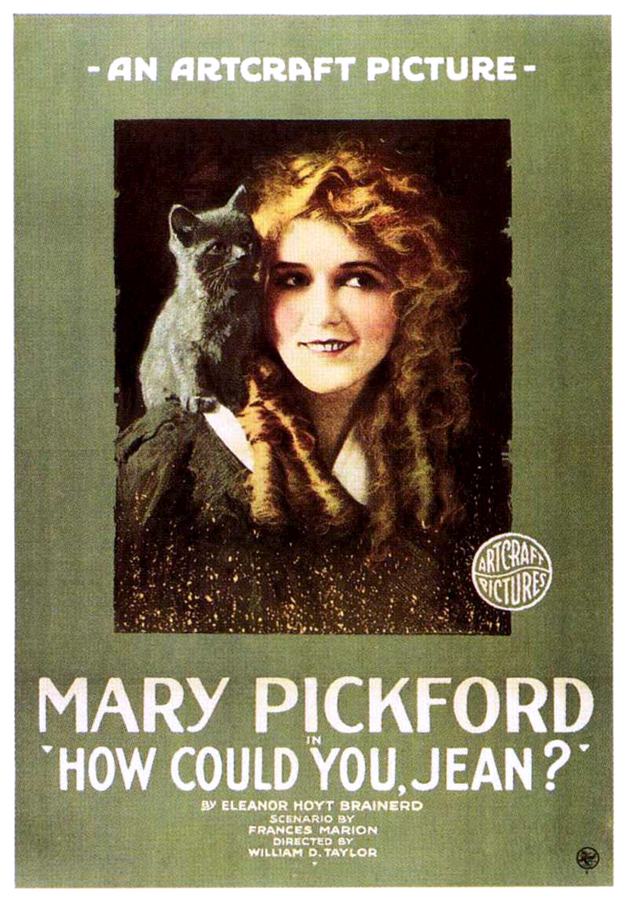
Director's Spotlight: United States
A Deep Dive into the 1918 Vision of William Desmond Taylor
As we revisit the 1918 masterpiece How Could You, Jean?, we are struck by the meticulous attention to detail that William Desmond Taylor applied to every frame. Anchored by a narrative that is both personal and universal, it bridges the gap between traditional cult and contemporary vision.
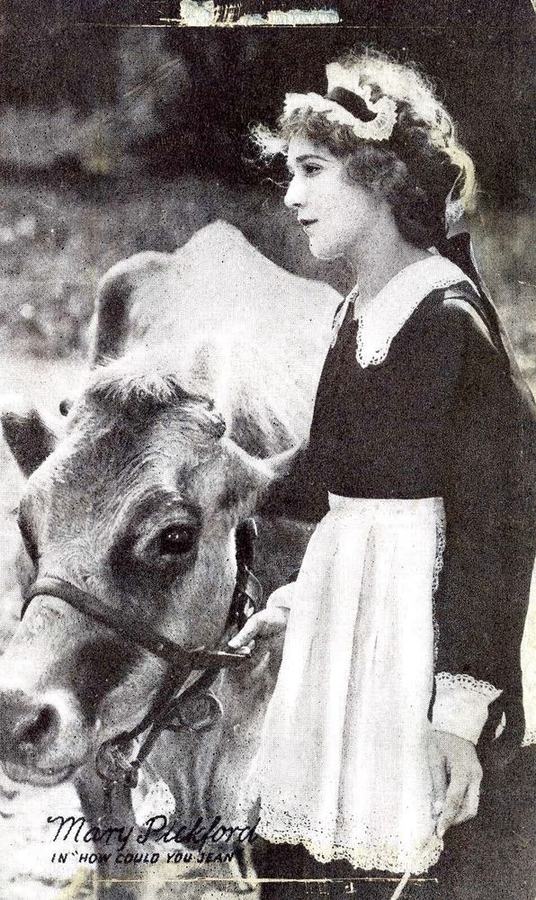
In How Could You, Jean?, William Desmond Taylor pushes the boundaries of conventional narrative. The film's unique approach to its subject matter has sparked endless debates and interpretations among cinephiles and critics alike.
| Cinematography | High-Contrast |
| Soundtrack | Minimalist |
| Editing | Disjunctive |
| Art Direction | Baroque |
Visualizing the convergence of William Desmond Taylor's style and the core cult narrative.
When Jean Mackaye, a pretty and resourceful young woman, discovers that she has lost her fortune, she dresses in Salvation Army clothing and secures a job in the Bonner home as a Swedish cook. Mr. and Mrs. Bonner, an elderly couple preoccupied with the study of insects, are too busy to notice that their Swedish hired man Oscar is falling in love with Jean. However, Ted Burton, the son of a cranky old millionaire, soon falls so deeply in love with her that he convinces Oscar to resign and applies for the position himself. Burton, Sr., anxious to discover the reason for his son's odd behavior, becomes a boarder in the house. Following a series of adventures in which Jean saves the old man's life, Burton blesses the union of his son and the "Swedish cook."
Decades after its release, How Could You, Jean? remains a vital piece of the cinematic puzzle. Its influence can be seen in countless modern works, solidifying William Desmond Taylor's status as a master of the craft in United States and beyond.