
DbcultAccessing Vault...
Director's Spotlight
Senior Film Conservator
Director's Spotlight: Germany
A Deep Dive into the 1931 Vision of William Dieterle
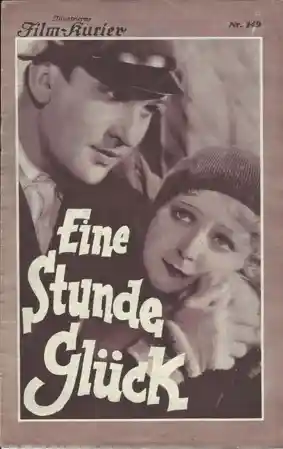
The evocative power of Eine Stunde Glück stems from the unique collaboration between the subversive storytelling techniques employed by William Dieterle in 1931. Synthesizing the best elements of Germany and international cinema, it reminds us of the fragility and beauty of the 1931s.
In Eine Stunde Glück, William Dieterle pushes the boundaries of conventional narrative. The film's unique approach to its subject matter has sparked endless debates and interpretations among cinephiles and critics alike.
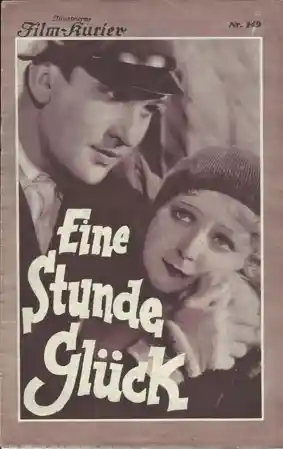
In this work, William Dieterle explores the intersection of Musical and Germany cultural identity. The meticulous attention to detail suggests a deep-seated commitment to pushing the boundaries of the medium, ensuring that Eine Stunde Glück remains a relevant topic of study for Musical enthusiasts.
| Cinematography | Static |
| Soundtrack | Orchestral |
| Editing | Invisible |
| Art Direction | Kitsch |
Visualizing the convergence of William Dieterle's style and the core Musical narrative.
The two happy fitters Eddy and Tommy are doing overtime to ensure the great travel-exhibition of the department store they work in is ready for display. Outside, they see a poor newspaper seller, who looks longingly at the beautiful things in the display window. So they simply decide to smuggle the unfortunate inside and compete to win her favor by giving her gifts from the shelves of the department store. In their frenzy of happiness, they don't notice that the girl is taking the fun little game for the truth. When she realizes that she has to give back the alleged gifts, she runs away.
Decades after its release, Eine Stunde Glück remains a vital piece of the cinematic puzzle. Its influence can be seen in countless modern works, solidifying William Dieterle's status as a master of the craft in Germany and beyond.