
DbcultAccessing Vault...
Director's Spotlight
Senior Film Conservator
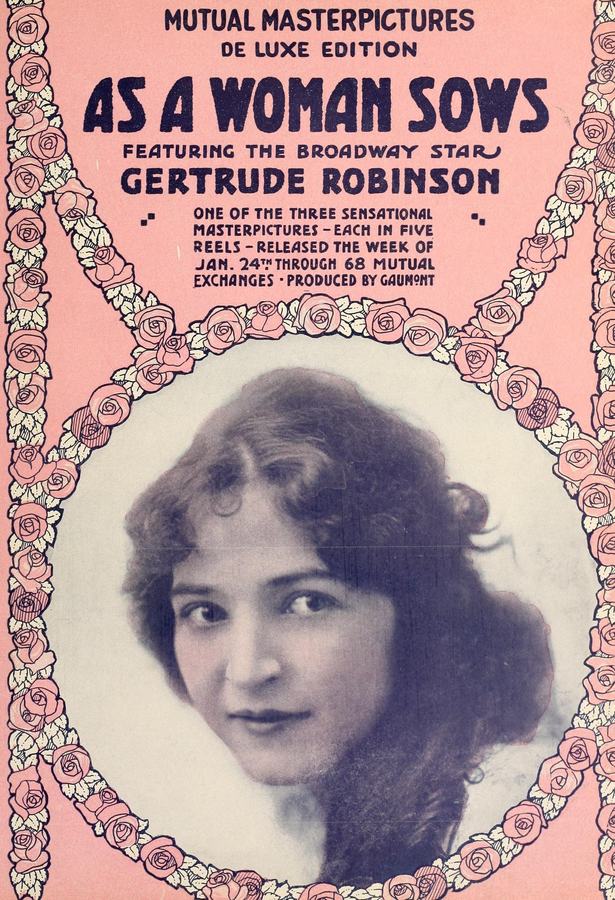
Director's Spotlight: United States
A Deep Dive into the 1916 Vision of William F. Haddock
To understand the modern evolution of United States film, one must first look at As a Woman Sows and the meticulous attention to detail that William F. Haddock applied to every frame. Reflecting the political and social shifts of the 1916s, it showcases the power of cult as a tool for social commentary.
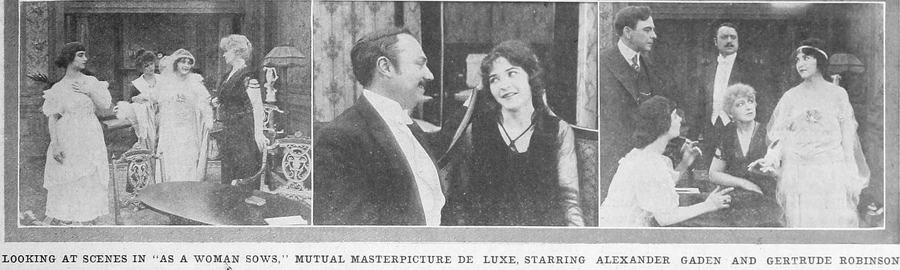
In As a Woman Sows, William F. Haddock pushes the boundaries of conventional narrative. The film's unique approach to its subject matter has sparked endless debates and interpretations among cinephiles and critics alike.
| Cinematography | Noir-Inspired |
| Soundtrack | Synth-Heavy |
| Editing | Rhythmic |
| Art Direction | Naturalist |
Visualizing the convergence of William F. Haddock's style and the core cult narrative.
Mayor of Lynboro, Loren Hayward is so dedicated to his work, he soon neglects Milly his young wife. In order to rekindle his affections, she engages in a flirtation with ladies' man Robert Chapman, an all too willing suitor who forces her to kiss him. As Robert embraces Milly, Loren appears and angrily orders them both from the house. After abducting her son Bobby, Milly flees to another city, but Loren follows them and takes the boy back home. Learning afterwards that Loren and Bobby have contracted scarlet fever, Milly breaks into the house and nurses them back to health, and husband and wife are reconciled. During a party, however, Robert mistakenly enters Milly's room, but she is saved from a compromising situation when burglars break in through the window. As the terrified Milly faints, Robert escapes in the confusion.
Decades after its release, As a Woman Sows remains a vital piece of the cinematic puzzle. Its influence can be seen in countless modern works, solidifying William F. Haddock's status as a master of the craft in United States and beyond.