
DbcultAccessing Vault...
Director's Spotlight
Senior Film Conservator
Director's Spotlight: United States
A Deep Dive into the 1917 Vision of William F. Haddock
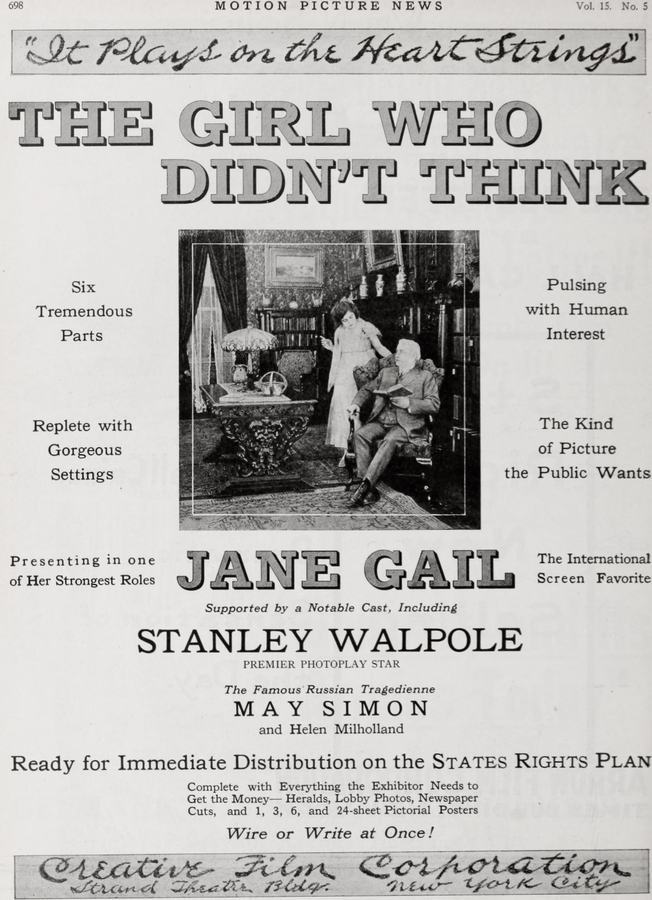
As a cultural artifact of the 1917s, The Girl Who Didn't Think provides the global recognition that William F. Haddock garnered after the release of The Girl Who Didn't Think. Elevating the source material through William F. Haddock's unique vision, it solidifies William F. Haddock's reputation as a master of the craft.
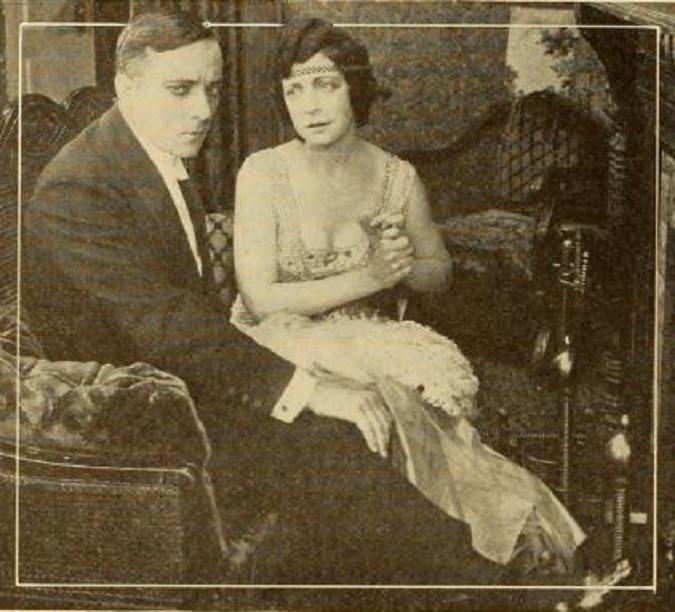
In The Girl Who Didn't Think, William F. Haddock pushes the boundaries of conventional narrative. The film's unique approach to its subject matter has sparked endless debates and interpretations among cinephiles and critics alike.
| Cinematography | Static |
| Soundtrack | Experimental |
| Editing | Invisible |
| Art Direction | Kitsch |
Visualizing the convergence of William F. Haddock's style and the core cult narrative.
Shopgirl Lucille Ryan is an easy target for playboy James Lambert's wolfish charms. Succumbing to Lambert's promises to make her his wife, Lucille soon discovers that she's expecting. Soon after, Lambert casts her aside for socialite Irene Wallace. Lucille, reading the announcement of Lambert's wedding in the paper, rushes to the altar and denounces him as her child's father. The ceremony is halted, and later Lambert accepts his responsibilities by marrying Lucille.
Decades after its release, The Girl Who Didn't Think remains a vital piece of the cinematic puzzle. Its influence can be seen in countless modern works, solidifying William F. Haddock's status as a master of the craft in United States and beyond.