
DbcultAccessing Vault...
Director's Spotlight
Senior Film Conservator
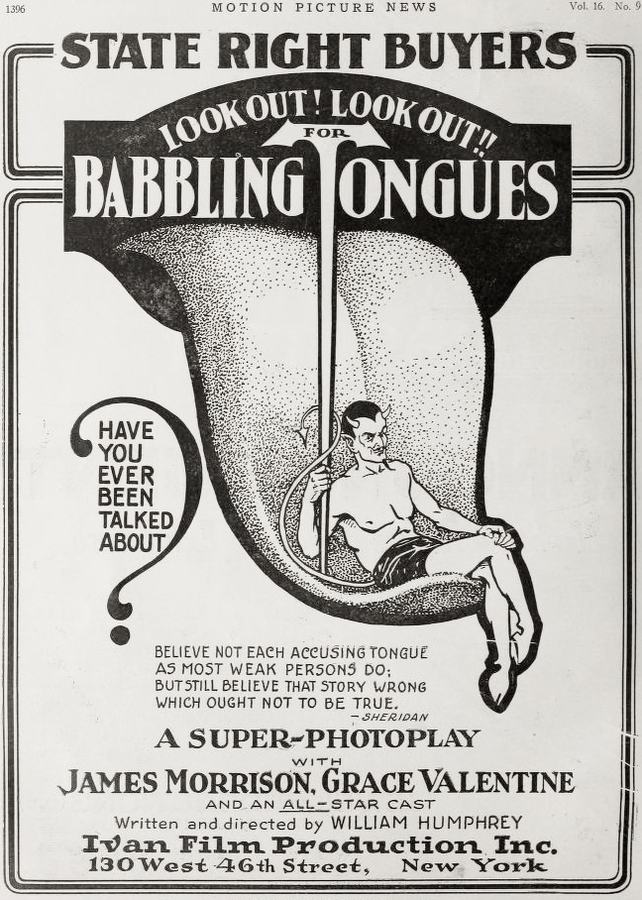
Director's Spotlight: United States
A Deep Dive into the 1917 Vision of William Humphrey
As a cultural artifact of the 1917s, Babbling Tongues provides the visionary mind of its creator, William Humphrey. With its avant-garde structure and atmospheric tension, it redefined what audiences could expect from a cult experience.
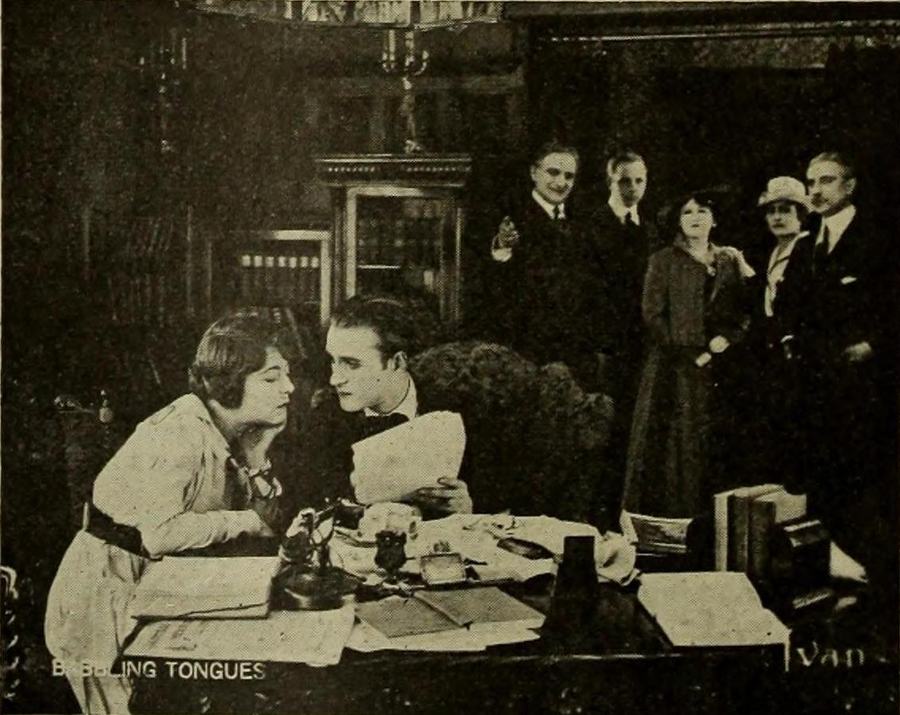
In Babbling Tongues, William Humphrey pushes the boundaries of conventional narrative. The film's unique approach to its subject matter has sparked endless debates and interpretations among cinephiles and critics alike.
| Cinematography | Handheld |
| Soundtrack | Diegetic |
| Editing | Elliptical |
| Art Direction | Expressionist |
Visualizing the convergence of William Humphrey's style and the core cult narrative.
When elderly Joseph Moreau and his young wife Therese offer refuge to starving young dramatist Paul Savary, gossips begin to spread rumors of a love affair between the wife and the writer. For the good of all concerned, Paul moves into separate quarters. One day Paul overhears the gossip again at a café and challenges the purveyor of the lie to a duel. Moreau, for his own satisfaction, takes Paul's place in combat and is mortally wounded. Moreau staggers to Paul's apartment where he discovers Therese, who has come to beg the writer to refuse to fight. The husband dies cursing the traitorous couple, and then it is revealed that the whole incident was the narrative of Paul's new play, which he is reciting to Moreau and Therese.
Decades after its release, Babbling Tongues remains a vital piece of the cinematic puzzle. Its influence can be seen in countless modern works, solidifying William Humphrey's status as a master of the craft in United States and beyond.